The Ultimate Guide to Balcony & Property Protection: Why Anti-Bird Netting is Essential
-
- Published Updated
- 2,397 views
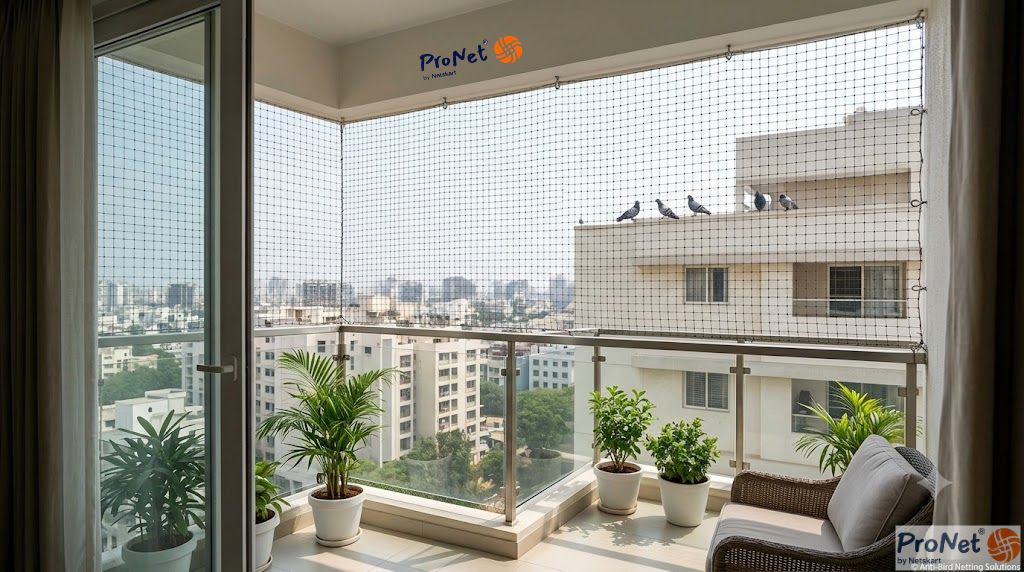
Urban environments offer modern conveniences, but they also bring unique challenges for homeowners and property managers. Among the most persistent issues in urban settings is the unwanted presence of pest birds—particularly pigeons. While birds are an essential part of the natubird net
Urban environments offer modern conveniences, but they also bring unique challenges for homeowners and property managers. Among the most persistent issues in urban settings is the unwanted presence of pest birds—particularly pigeons. While birds are an essential part of the natu
The Real Impact of Unchecked Bird Infestations
Allowi
-
Health and Safety Hazards: Bird droppings contain micro-organism
- Property Corrosion and Structural Damage: Pigeons produce highly acidic droppings that rapidly deteriorate paint, metal railings, stone work, and concrete structures over time. Nesting materials often clog drainage gutters, leading to water leakage, and can severely damage external HVAC units by blocking ventilation airflow.
- Continuous Maintenance Burden: Cleaning balconies, windows, and outdoor furniture repeatedly requires significant time, money, and physical effort. Dried droppings and feathers are difficult to scrub off and frequently reappear within a few hours of cleaning.
Allowi
-
Health and Safety Hazards: Bird droppings contain micro-organism
s, fungi, and harmful bacteria that can become airborne when dry, leading to potential respiratory issues and allergic reactions. Additionally, accumulated droppings and old nesting materials attract secondary pests like mites, fleas, ticks, and beetles directly into living spaces. - Property Corrosion and Structural Damage: Pigeons produce highly acidic droppings that rapidly deteriorate paint, metal railings, stone work, and concrete structures over time. Nesting materials often clog drainage gutters, leading to water leakage, and can severely damage external HVAC units by blocking ventilation airflow.
- Continuous Maintenance Burden: Cleaning balconies, windows, and outdoor furniture repeatedly requires significant time, money, and physical effort. Dried droppings and feathers are difficult to scrub off and frequently reappear within a few hours of cleaning.
Why Netting Beats Other Bird Control Methods
Property owners often try quick fixes like chemical sprays, reflective tapes, sound deterrents, or plastic spikes. While these options might offer temporary relief, physical mesh netting remains the industry standard for full-coverage, long-term protection.
- 100% Physical Barrier Protection: Unlike chemical sprays that wash away in the rain or spikes that birds often maneuver around, high-grade mesh physical barriers completely seal off entry points, leaving zero space for birds to land.
- Humane and Environmentally Safe: Quality netting does not injure, trap, or harm birds in any way; it simply prevents physical access to roosting spots, prompting them to relocate to natural open environments naturally.
- Long-Lasting Durability: High-density polyethylene (HDPE) netting is specifically engineered to withstand prolonged UV sun exposure, heavy rainfall, high winds, and extreme temperature shifts without breaking down or losing strength.
- Aesthetic Maintenance: Modern anti-bird nets use ultra-thin, high-strength monofilament threads that preserve natural airflow and clear outdoor views while staying practically invisible from a short distance.
Property owners often try quick fixes like chemical sprays, reflective tapes, sound deterrents, or plastic spikes. While these options might offer temporary relief, physical mesh netting remains the industry standard for full-coverage, long-term protection.
- 100% Physical Barrier Protection: Unlike chemical sprays that wash away in the rain or spikes that birds often maneuver around, high-grade mesh physical barriers completely seal off entry points, leaving zero space for birds to land.
- Humane and Environmentally Safe: Quality netting does not injure, trap, or harm birds in any way; it simply prevents physical access to roosting spots, prompting them to relocate to natural open environments naturally.
- Long-Lasting Durability: High-density polyethylene (HDPE) netting is specifically engineered to withstand prolonged UV sun exposure, heavy rainfall, high winds, and extreme temperature shifts without breaking down or losing strength.
- Aesthetic Maintenance: Modern anti-bird nets use ultra-thin, high-strength monofilament threads that preserve natural airflow and clear outdoor views while staying practically invisible from a short distance.
Choosing the Right Netting for Your Space
Selecting the appropriate netting material and mesh design depends on the specific bird species common to your area and the layout of the property you wish to enclose.
Feature
Small Mesh (15mm - 25mm)
Standard Mesh (40mm - 50mm)
Heavy-Duty Industrial Mesh
Best For
Sparrows, finches, and smaller wild birds
Pigeons, crows, and larger urban birds
Warehouses, factories, and agricultural zones
Visibility
Slightly denser grid, near-invisible from distance
Highest transparency and maximum daylight airflow
Maximum tensile strength and heavy-duty structural durability
Primary Use
Residential windows, ventilation ducts, and gardens
Apartment balconies, open terraces, and duct areas
Large industrial ceilings, logistics hubs, and commercial yards
Selecting the appropriate netting material and mesh design depends on the specific bird species common to your area and the layout of the property you wish to enclose.
| Feature | Small Mesh (15mm - 25mm) | Standard Mesh (40mm - 50mm) | Heavy-Duty Industrial Mesh |
|---|---|---|---|
| Best For | Sparrows, finches, and smaller wild birds | Pigeons, crows, and larger urban birds | Warehouses, factories, and agricultural zones |
| Visibility | Slightly denser grid, near-invisible from distance | Highest transparency and maximum daylight airflow | Maximum tensile strength and heavy-duty structural durability |
| Primary Use | Residential windows, ventilation ducts, and gardens | Apartment balconies, open terraces, and duct areas | Large industrial ceilings, logistics hubs, and commercial yards |
Best Practices for Installation and Maintenance
To ensure your bird control setup lasts for years without sagging or breaking, follow these step-by-step installation principles:
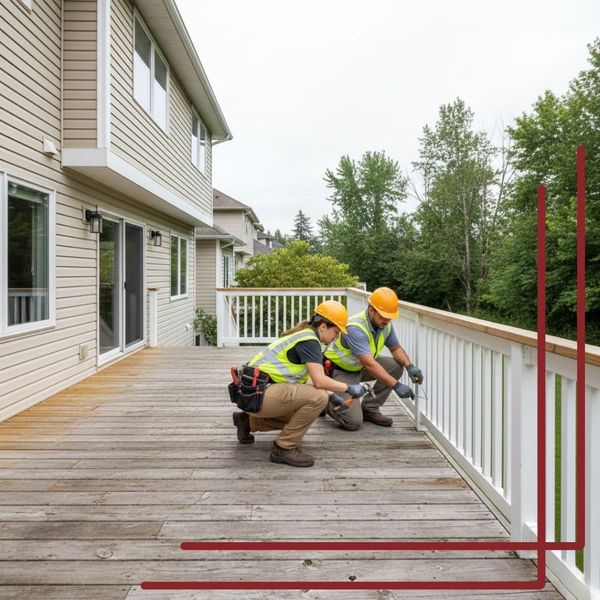
1. Accurate Structural Measurement: Measure the full height, width, and perimeter length of your balcony frame or window opening carefully to ensure complete edge-to-edge coverage without any residual gaps.
2. Secure Anchoring Hardware: Use stainless steel hooks or high-grade weather-resistant plastic anchors embedded securely into concrete borders or metal frameworks to keep the net under constant tension.
3. Keep the Mesh Taut: A properly tightened net prevents birds from becoming entangled in loose material while maintaining a clean, professional appearance across the building's exterior.
4. Routine Inspection & Care: Periodically check anchor points and tension lines after severe weather storms or strong wind conditions to confirm all fasteners remain securely in place.
To ensure your bird control setup lasts for years without sagging or breaking, follow these step-by-step installation principles:
1. Accurate Structural Measurement: Measure the full height, width, and perimeter length of your balcony frame or window opening carefully to ensure complete edge-to-edge coverage without any residual gaps.
2. Secure Anchoring Hardware: Use stainless steel hooks or high-grade weather-resistant plastic anchors embedded securely into concrete borders or metal frameworks to keep the net under constant tension.
3. Keep the Mesh Taut: A properly tightened net prevents birds from becoming entangled in loose material while maintaining a clean, professional appearance across the building's exterior.
4. Routine Inspection & Care: Periodically check anchor points and tension lines after severe weather storms or strong wind conditions to confirm all fasteners remain securely in place.
Long-Term Value for Property Owners
Investing in high-grade bird control nets is not just about keeping a balcony clean—it is a preventative step toward preserving property value. Property restoration costs due to bird damage, acid staining, and clogged piping far exceed the one-time investment required for installing quality mesh. Furthermore, maintaining a bird-free environment improves ambient indoor air quality by reducing dust and airborne dander linked to bird nesting.
Securing your residential or commercial space with high-quality bird protection eliminates daily cleaning tasks, guards your property against acidic damage, and keeps living environments clean, hygienic, and healthy for years to come. Explore durable protection options on Netskart Bird Nets
Investing in high-grade bird control nets is not just about keeping a balcony clean—it is a preventative step toward preserving property value. Property restoration costs due to bird damage, acid staining, and clogged piping far exceed the one-time investment required for installing quality mesh. Furthermore, maintaining a bird-free environment improves ambient indoor air quality by reducing dust and airborne dander linked to bird nesting.
Securing your residential or commercial space with high-quality bird protection eliminates daily cleaning tasks, guards your property against acidic damage, and keeps living environments clean, hygienic, and healthy for years to come. Explore durable protection options on