ATS-Friendly Resume: The Key to Passing an Applicant Tracking System
-

- Published Updated
- 6,237 views
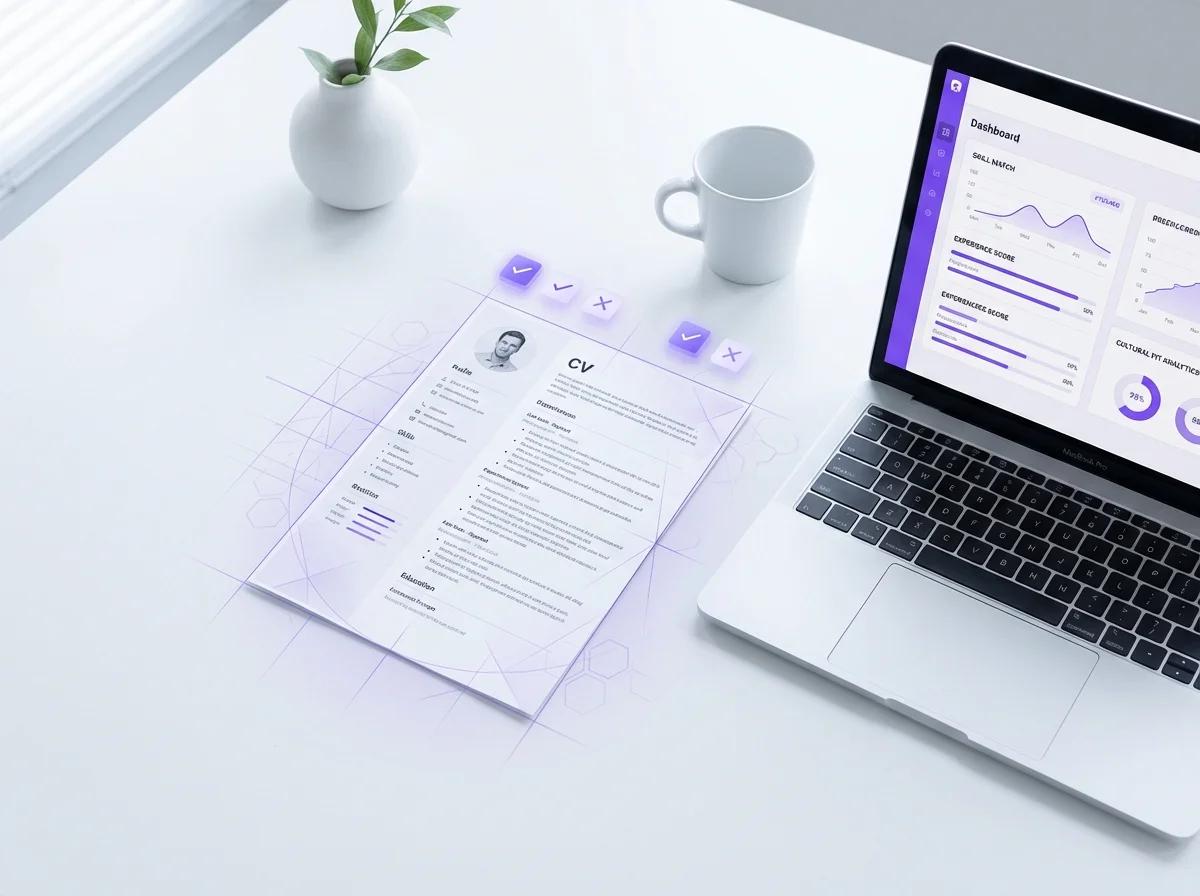
In today's competitive job market, having the right skills and qualifications is not always enough to secure an interview. Before a recruiter even sees your application, your resume may be reviewed by an Applicant Tracking System (ATS). This technology is widely used by companies to streamline the hiring process and identify the most suitable candidates.
As a result, creating an ATS-friendly resume has become an essential part of every successful job search. Understanding how an Applicant Tracking System works can help you optimize your resume and improve your chances of getting noticed by recruiters.
What Is an Applicant Tracking System?
An Applicant Tracking System is recruitment software that helps employers manage large volumes of job applications. Instead of manually reviewing every resume, recruiters use ATS software to filter and rank candidates based on specific criteria.
The system scans resumes for:
- Keywords related to the job
- Technical and soft skills
- Educational qualifications
- Certifications
- Work experience
- Job titles
Candidates whose resumes match the job requirements are more likely to move to the next stage of the hiring process.
Why Is an ATS-Friendly Resume Important?
An ATS-friendly resume is designed in a way that allows ATS software to read and process information accurately. If your resume contains complicated formatting, missing keywords, or unsupported elements, the system may not interpret your qualifications correctly.
Benefits of an ATS-friendly resume include:
- Increased visibility in ATS searches
- Better chances of passing initial screening
- Higher likelihood of recruiter review
- Improved interview opportunities
Since many organizations use ATS technology, optimizing your resume is no longer optional—it is a necessity.
How ATS Software Screens Resumes
The Applicant Tracking System compares your resume against the requirements listed in a job description.
Keyword Matching
Keywords play a major role in ATS screening. The system looks for specific terms related to skills, certifications, tools, and job responsibilities.
For example, if a company is hiring a digital marketer, keywords may include:
- SEO
- Google Analytics
- Content Marketing
- Social Media Marketing
Including relevant keywords naturally throughout your resume can improve your ATS ranking.
Skills Evaluation
ATS software identifies technical and professional skills that match the position.
Education and Certifications
Degrees, certifications, and specialized training are scanned to determine whether you meet the required qualifications.
Experience Analysis
The system reviews your work experience to assess its relevance to the target role.
Key Features of an ATS-Friendly Resume
Use a Simple Format
One of the most important characteristics of an ATS-friendly resume is simplicity.
Recommended formatting includes:
- Standard fonts such as Arial or Calibri
- Clear section headings
- Bullet points
- Consistent formatting
Avoid:
- Images
- Icons
- Graphics
- Tables
- Text boxes
These elements may confuse ATS software and prevent important information from being processed correctly.
Use Standard Resume Headings
Most Applicant Tracking Systems recognize common section titles such as:
- Professional Summary
- Work Experience
- Skills
- Education
- Certifications
Using standard headings helps the ATS organize your information efficiently.
Include Relevant Keywords
Review the job description carefully and identify important keywords. Include them naturally throughout your resume, especially in the skills and experience sections.
However, avoid keyword stuffing, which can make your resume difficult to read and appear unprofessional.
Common ATS Resume Mistakes
Many job seekers unknowingly create resumes that perform poorly in ATS screening.
Using the Same Resume for Every Job
A generic resume may not contain the specific keywords required for each position.
Overly Creative Designs
While visually appealing resumes may impress some recruiters, they often create problems for ATS software.
Missing Skills Section
A dedicated skills section helps ATS systems quickly identify relevant competencies.
Using Non-Standard Job Titles
Use industry-recognized job titles whenever possible so the Applicant Tracking System can understand your experience.
Tips to Improve ATS Resume Performance
Tailor Your Resume for Each Job
Customize your resume according to the specific job description.
Focus on Achievements
Instead of listing only responsibilities, include measurable accomplishments.
Examples:
- Increased sales by 25%
- Improved customer satisfaction scores by 15%
- Managed projects worth $100,000
Keep Information Organized
A clean structure makes your resume easier for both ATS software and recruiters to review.
Proofread Carefully
Spelling and grammar mistakes can negatively impact ATS performance and recruiter perception.
The Future of ATS in Recruitment
As technology continues to evolve, the role of the Applicant Tracking System is becoming even more significant. Many modern ATS platforms now use artificial intelligence to evaluate resumes more effectively and identify top candidates.
Job seekers who understand ATS requirements have a better chance of adapting to these changes and staying competitive in the job market.
Conclusion
An ATS-friendly resume is one of the most powerful tools for modern job seekers. Since many employers rely on an Applicant Tracking System to screen applications, optimizing your resume can significantly increase your chances of getting shortlisted.
By using relevant keywords, maintaining a simple format, highlighting your achievements, and tailoring your resume for each position, you can create an ATS-friendly resume that performs well in screening systems and attracts recruiter attention. Investing time in ATS optimization can help you move one step closer to securing your next job opportunity.