Augmented Reality Glasses Market Growth: AI Adoption, Enterprise Demand, Consumer Applications, and Technology Advances
-

- Published Updated
- 3,644 views
Introduction
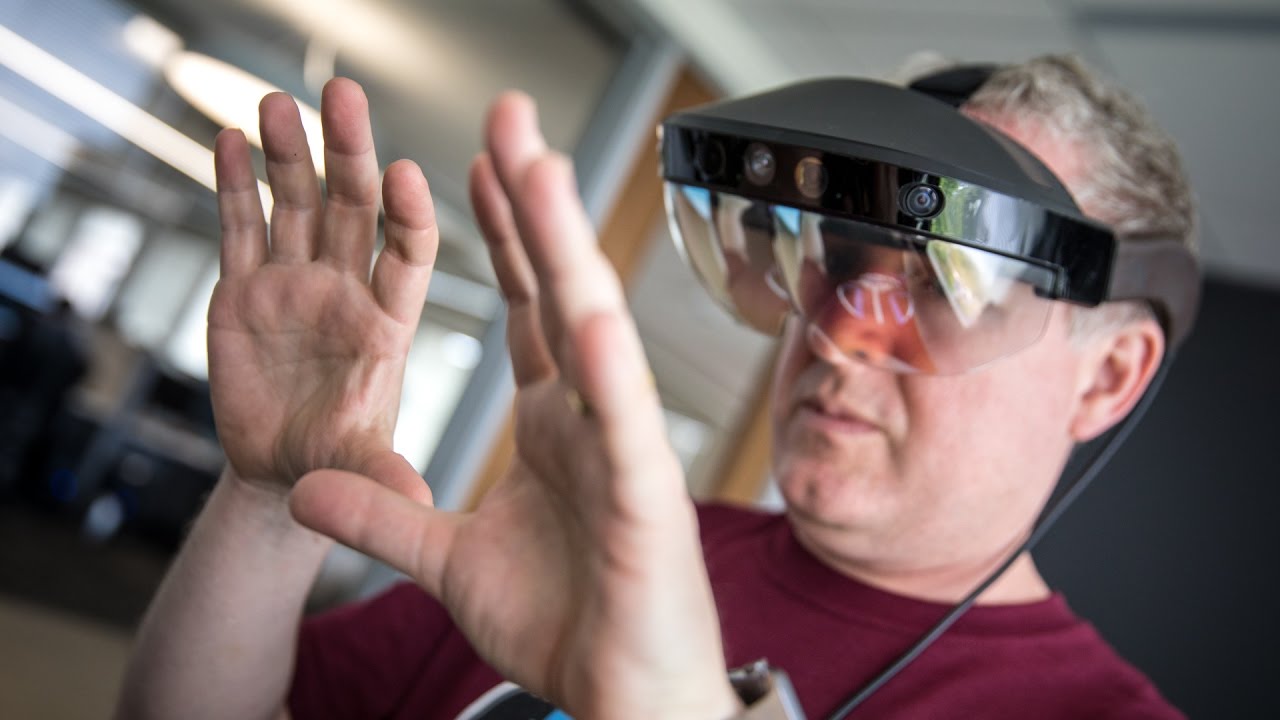
Augmented reality glasses are gradually becoming more practical as improvements in artificial intelligence, optics, sensors, processors, batteries, and connectivity make wearable computing more capable. What was once largely associated with experimental applications is increasingly being explored for business operations, training, communication, navigation, entertainment, and hands-free access to information.
The augmented reality glasses market growth is being influenced by the convergence of several technologies. Artificial intelligence is making devices more interactive, while improvements in optical components and miniaturized electronics are helping manufacturers create slimmer designs. At the same time, businesses are looking for tools that can improve productivity without requiring workers to repeatedly switch between physical tasks and handheld screens.
Artificial Intelligence Creates New Use Cases
AI is becoming one of the strongest factors supporting AR glasses development.
Earlier wearable displays primarily focused on showing digital information. Newer concepts can combine visual recognition, voice interaction, language processing, and contextual awareness.
Users can potentially ask questions, identify objects, receive instructions, or summarize information while keeping their hands free.
For businesses, AI-enabled glasses could assist technicians with equipment identification, troubleshooting, inspection, and workflow guidance. These capabilities can make AR more useful than a simple digital display.
Enterprise Applications Drive Practical Adoption
Enterprise applications are an important source of growth.
Manufacturing facilities can use AR glasses to provide workers with assembly instructions and visual guidance. Warehouses can explore hands-free access to inventory and picking information. Field-service teams can communicate with remote specialists while performing maintenance.
Training is another potential application. Workers can receive step-by-step instructions while practicing tasks in real environments.
Companies are more likely to invest when AR technology produces measurable benefits such as reduced training time, faster maintenance, fewer errors, or improved workflow efficiency.
Consumer Applications Are Expanding
Consumer demand could become an increasingly important part of the industry's development.
Navigation, translation, communication, photography, entertainment, and AI assistance can give consumers practical reasons to use smart glasses.
The design of the product is equally important.
Devices that look and feel similar to conventional eyewear may be more attractive to consumers than bulky head-mounted systems.
Comfort, appearance, price, battery life, and privacy will continue to influence purchasing decisions.
Optical Technology Supports Market Development
Advances in optics are helping improve the AR experience.
Manufacturers are working to provide brighter displays, better resolution, wider fields of view, improved transparency, and more stable visual overlays.
These improvements allow digital information to appear more naturally within the user's surroundings.
Outdoor visibility remains an important consideration because bright sunlight can reduce display readability.
As optical technologies become smaller and more efficient, manufacturers can potentially create devices that are both more capable and less cumbersome.
Miniaturization Improves Wearability
AR glasses require many components to operate within a small frame.
Processors, cameras, sensors, speakers, microphones, batteries, wireless modules, and display systems all need to fit within a wearable form factor.
Advances in semiconductor design and component miniaturization can help reduce device size.
Smaller components can improve appearance and comfort, making AR glasses more suitable for everyday use.
Battery Efficiency Remains Important
Battery performance directly affects the user experience.
AI processing, cameras, displays, sensors, and wireless connectivity can consume significant power.
Manufacturers are therefore focusing on energy-efficient processors, optimized software, low-power displays, and improved battery technologies.
Some products may distribute computing tasks between the glasses, a connected smartphone, and cloud services.
This approach can help reduce the processing burden on the wearable device while maintaining useful functionality.
Better Connectivity Enables New Experiences
Connectivity is another important growth factor.
AR glasses can connect with smartphones, computers, cloud platforms, enterprise systems, and other devices.
Reliable wireless communication can support remote assistance, real-time translation, data synchronization, software updates, and collaborative applications.
As network performance improves, developers can create more responsive connected experiences.
However, devices will still need suitable offline capabilities for environments where reliable connectivity is unavailable.
Industrial and Field-Service Opportunities
Industrial environments provide strong opportunities because AR can offer practical hands-free functionality.
Technicians can access repair instructions without carrying additional devices.
Workers can view digital measurements, diagrams, or maintenance information while working on machinery.
Remote experts can also guide employees through complex tasks by viewing the same environment.
These applications can make AR glasses valuable where access to information needs to be immediate and hands-free.
Healthcare and Training Potential
Healthcare, education, and professional training may provide additional opportunities.
AR glasses can support visualization, simulation, remote collaboration, and interactive learning.
Training organizations can use wearable displays to provide information while learners perform practical activities.
Healthcare applications require particularly careful attention to privacy, reliability, security, and applicable regulations.
As technology becomes more mature, specialized solutions could emerge for professional environments.
Software Ecosystems Will Influence Growth
Hardware development alone cannot sustain a large market.
Users need applications that make the devices worth owning.
Manufacturers may therefore invest in developer platforms, software tools, application programming interfaces, and partnerships with application developers.
A strong ecosystem can encourage experimentation and increase the range of available use cases.
Enterprise software compatibility will also be important for organizations that want AR glasses to work with existing systems.
Privacy and Security Considerations
Growth will also depend on user trust.
Cameras and microphones can create concerns about recording and data collection.
Manufacturers need clear privacy controls and transparent data practices.
Cybersecurity is equally important when glasses connect to cloud platforms or business networks.
Strong authentication, secure data transmission, software updates, and access controls can help reduce risks.
Challenges That Could Moderate Growth
Despite strong potential, several issues could slow adoption.
High prices can make advanced products difficult for consumers to justify. Limited battery life can reduce convenience, while heavy designs can discourage extended use.
Privacy concerns may also influence social acceptance.
Software availability remains another challenge because developers need a sufficiently large user base to justify investment.
Manufacturers will need to address these issues alongside continued technological development.
Future Growth Direction
The market is likely to develop gradually rather than through a single breakthrough.
AI, improved optics, better batteries, smaller components, and more capable software can collectively make AR glasses more practical.
Enterprise applications may continue providing important early opportunities because businesses can evaluate products based on measurable productivity benefits.
Consumer adoption could increase as devices become more affordable, comfortable, discreet, and useful.
Conclusion
The augmented reality glasses market growth story is being shaped by the convergence of AI, wearable computing, advanced optics, miniaturized electronics, connectivity, and software development.
Enterprise applications in manufacturing, logistics, maintenance, training, and field services can provide immediate practical value, while consumer uses such as navigation, translation, communication, and AI assistance can broaden the addressable audience.
The industry's continued progress will depend on solving challenges related to battery life, comfort, pricing, privacy, security, and software availability.
Companies that turn complex technology into simple, useful, and comfortable wearable experiences can be well positioned to benefit as AR glasses move toward wider adoption.
Written as -https://www.pristinemarketinsights.com/augmented-reality-glasses-market-report