Why Professional Aviation Security Services Need Skilled Airport Security Officers
-
- Published Updated
- 5,560 views
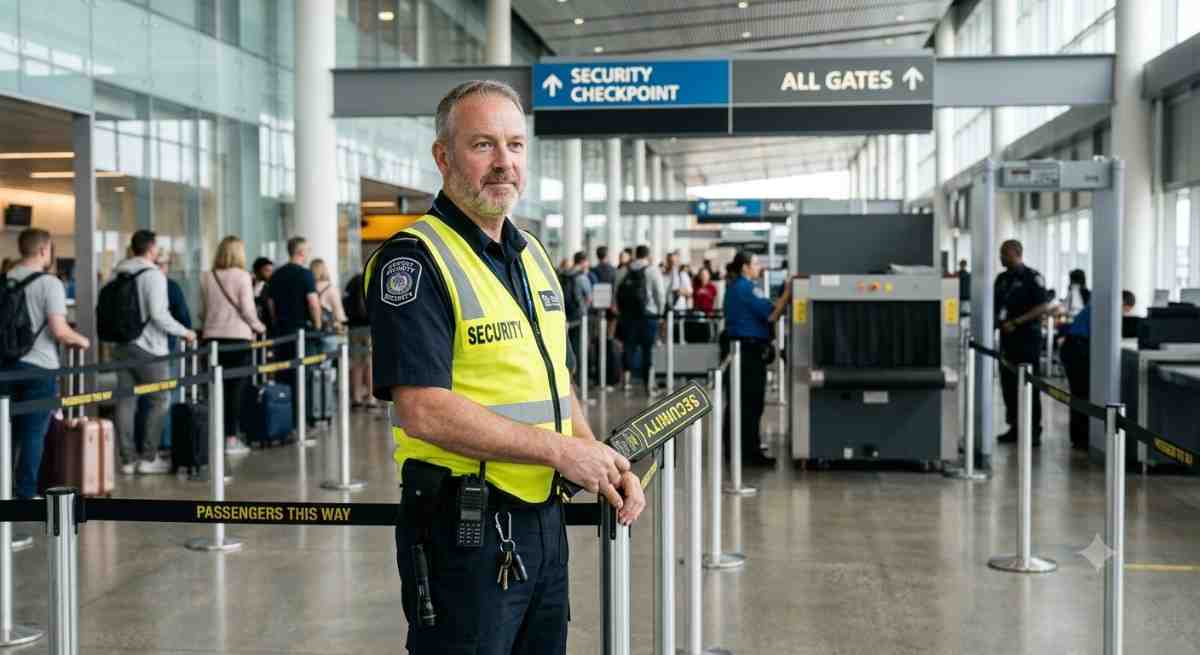
Airports are among the busiest and most security-sensitive locations in the world. Every day, they handle thousands of passengers, valuable cargo, airline staff, and aircraft operations. Ensuring the safety of these complex environments requires more than routine surveillance it demands highly trained professionals with specialized aviation knowledge. Skilled aviation personnel play a critical role in maintaining secure and efficient airport operations.
Unlike general security personnel, an airport security officer must follow strict international security standards, respond quickly to emergencies, and safeguard passengers without disrupting airport operations. As global air travel continues to expand, the need for professional aviation security services has become more important than ever.
The Importance of Aviation Security
Modern airports face a wide range of security challenges, including unauthorized access, baggage screening, passenger management, cargo protection, and emergency response. A single security lapse can lead to operational disruptions, financial losses, and risks to public safety.
Professional aviation security services are designed to prevent these risks through continuous monitoring, strict access control, and compliance with aviation regulations. A trained airport security officer understands these responsibilities and is equipped to respond effectively under pressure.
Why Specialized Airport Security Training Matters
An ordinary airport security guard may possess basic security skills, but aviation environments require additional expertise and certification. Aviation security professionals undergo extensive training to manage situations unique to the industry.
Their training typically includes:
Passenger Screening
Security personnel inspect passengers and carry-on baggage using advanced screening equipment while ensuring compliance with airport safety protocols.
Baggage and Cargo Inspection
Every checked bag and cargo shipment must be carefully screened to identify prohibited or suspicious items before they enter secure zones.
Access Control
Only authorized personnel are permitted inside restricted airport areas. Security teams verify credentials, monitor entry points, and prevent unauthorized access.
Emergency Response
Security professionals receive specialized instruction in evacuation procedures, threat assessment, crowd management, and coordination with law enforcement agencies during emergencies.
Key Responsibilities of Aviation Security Personnel
The responsibilities of aviation security professionals extend far beyond monitoring entrances and exits. Their daily duties include: These responsibilities require excellent observation skills, discipline, communication, and the ability to remain calm under pressure.
How Professional Aviation Security Improves Passenger Confidence
Passenger safety is one of the biggest priorities for airports and airlines. Visible security measures reassure travelers that their journey is protected from potential risks. A well-trained airport security guard plays a vital role in maintaining this sense of safety by ensuring that screening procedures, access control, and security checks are carried out efficiently.
The presence of trained security personnel also helps create a secure and organized travel environment by maintaining smooth passenger flow while enforcing airport security regulations. Their professionalism not only deters unlawful activities but also builds confidence among travelers, helping ensure a safe and stress-free airport experience.
Choosing the Right Aviation Security Partner
Selecting an experienced aviation security provider is essential for airports, airlines, cargo terminals, and aviation facilities. A trusted security company should offer:
Certified Personnel
Security professionals should receive specialized aviation training and stay updated with evolving industry regulations.
Regulatory Compliance
The provider must follow national and international aviation security standards to ensure safe airport operations.
Technology Integration
Modern aviation security combines skilled manpower with surveillance systems, access control technologies, and advanced screening equipment.
Continuous Training
Regular refresher training helps security personnel adapt to emerging threats and changing airport procedures.
Organizations seeking reliable aviation security services should work with experienced providers that understand the unique operational requirements of airports.
One such provider is Raxa Techno Security Solutions, which delivers professional aviation security services backed by trained personnel, industry expertise, and modern security practices.
Conclusion
Aviation security is far more complex than conventional security management. Every airport security guard and trained aviation professional contributes to protecting passengers, airport staff, aircraft, and critical infrastructure. As aviation continues to grow, investing in skilled professionals becomes essential for maintaining operational efficiency and public safety.
Partnering with an experienced aviation security provider ensures airports receive qualified personnel who understand regulatory compliance, advanced security procedures, and emergency response protocols. Ultimately, professional aviation security services create a safer, more reliable travel experience for everyone.
Frequently Asked Questions
1. What is the role of an airport security officer?
An airport security officer is responsible for passenger screening, baggage inspection, access control, surveillance, and maintaining compliance with aviation security regulations to ensure safe airport operations.
2. How is an airport security guard different from a general security guard?
An airport security guard receives specialized aviation training, understands airport-specific regulations, operates screening equipment, and manages security procedures unique to aviation environments.
3. Why are professional aviation security services important?
Professional aviation security services help prevent unauthorized access, protect passengers and infrastructure, ensure regulatory compliance, and support smooth airport operations through trained personnel and advanced security practices.