How to Compare Bakery Box Types Before Choosing a Product Carton
-

- September 26th, 2026
- 56 views
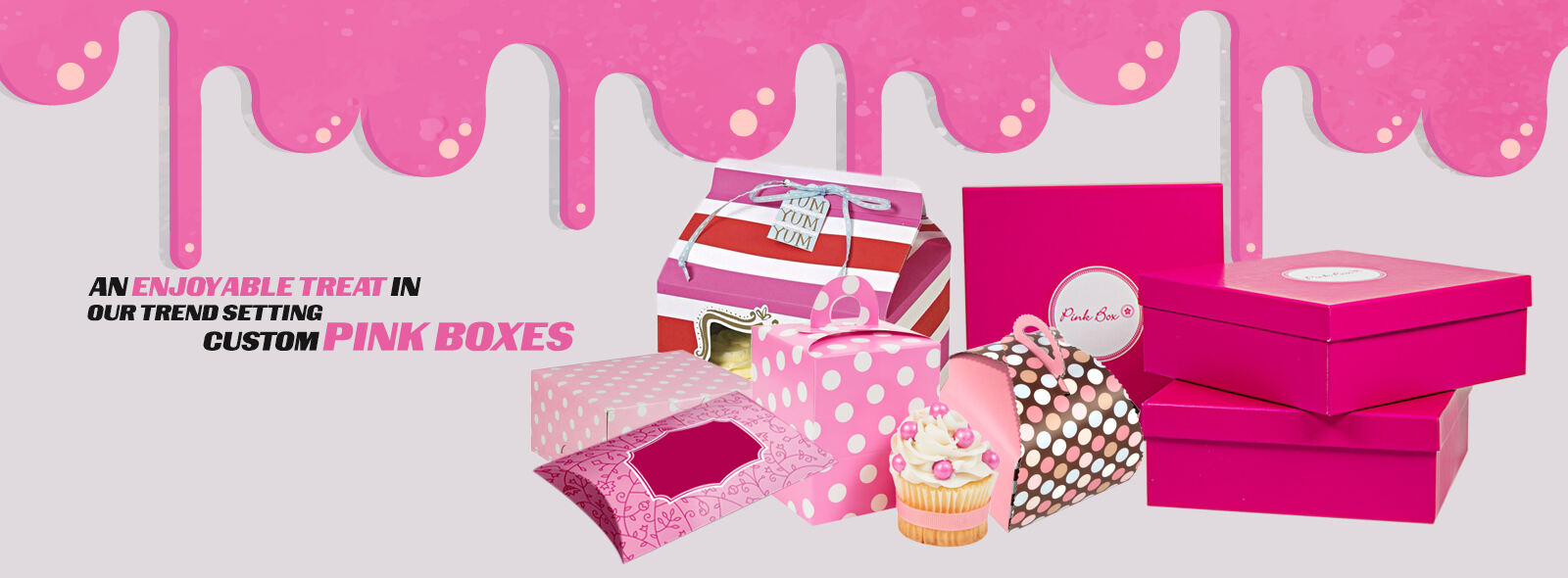
A bakery category page is most useful when it helps a buyer compare formats. Someone looking for a cake carton should not have to sift through cookie sleeves to understand the options. Decide whether the product is a whole cake, a pastry assortment, cupcakes, cookies or another baked item. Then consider quantity, dimensions and how it will be carried. This first classification narrows the appropriate structures before finishes and printing enter the conversation.
Compare support requirements
A cupcake may need cavities that prevent tipping; a decorated cake needs vertical clearance and a firm base. Flat cookies can tolerate a different arrangement from fragile macarons. Note where an insert or divider would protect the product and where it would simply add unnecessary material. Ask for a sample with the actual baked item. A category photo shows possibilities, but a filled prototype reveals the support the product needs.
Consider the sales channel
Packaging for a cafe counter, grocery shelf, catered event and local delivery will be handled differently. A display window may help retail selection while a closed carton may work better for a heavily decorated gift. The box that holds up through local pickup is not necessarily sufficient for parcel shipping. Define the normal journey for the product and ask what secondary packaging is required if it will travel farther. This keeps form and material decisions grounded in actual use.
Check material claims carefully
A buyer may ask for food-safe, grease-resistant, recyclable or compostable packaging. Those words have specific implications that depend on the material, coating, liner and local disposal route. Request evidence for the precise construction under consideration. Kraft color alone says little about food contact or end-of-life handling. If the food is individually wrapped, explain that arrangement to the supplier. Any public claim should match the final combination of components rather than a generic material description.
Weigh custom printing against flexibility
A dedicated printed carton can provide strong recognition, but a bakery that changes flavors frequently may prefer a consistent box with labels or sleeves. Consider how many variations staff must stock and whether minimum quantities make each design practical. A shared visual system can extend across different box structures without requiring a unique large print run for every seasonal offering. Reserve a clear place for changing product information so the brand artwork remains usable.
Ask for comparable quotations
Provide the same quantity, dimensions, material expectations, artwork and delivery location when comparing options. Confirm proof stages, production time, finishes and whether inserts are included. An inexpensive box may take more staff time to assemble or require a separate component. A slightly different structure may reduce movement during transport. Compare the total workflow and finished presentation instead of deciding on the unit price alone.
Make the category decision easy to revisit
Document why each box type was chosen for a particular product. If a bakery later introduces larger cakes or a delivery service, the original reasoning will reveal what needs to be tested again. Keep approved samples of key formats and note the liner or insert used with each. A category of boxes is more useful as a selection guide than a pile of unrelated styles. That approach helps growing bakeries maintain consistency as the menu changes.
Choose a destination for further detail
An overview of bakery packaging box styles can help a buyer compare cake, cookie, cupcake, donut and pastry formats before opening the dedicated product page for a quote. Treat the overview as a browse hub, then ask the product supplier for exact specifications. A clear hierarchy makes shopping easier and keeps each specialized carton focused on the item it is built to carry.
Make navigation useful for a buyer
A category should help buyers move from a broad need to a specific product. Label links by item type and provide concise guidance about why a cookie box differs from a cake carton. Avoid repeating every product’s sales pitch in the category introduction. When someone already knows what they need, the dedicated page should take them directly to sizes and quote details. Clear browsing supports selection without making several pages compete to answer the identical query.
Check a mixed retail order
Some bakeries sell boxes that contain several baked goods at once. Test the most difficult mixed order, including the heaviest and most delicate items. Dividers may protect a tart from cookies, while a liner can separate an oily pastry from board. A single category choice may need an insert or two coordinated cartons to work. The result should still be easy for staff to assemble and for customers to carry. Compare the relevant bakery packaging box styles and confirm available specifications directly before ordering.
Related Posts