Faucets Manufacturer: Understanding Modern Bathroom Faucet Solutions
-

- September 23rd, 2026
- 2,292 views
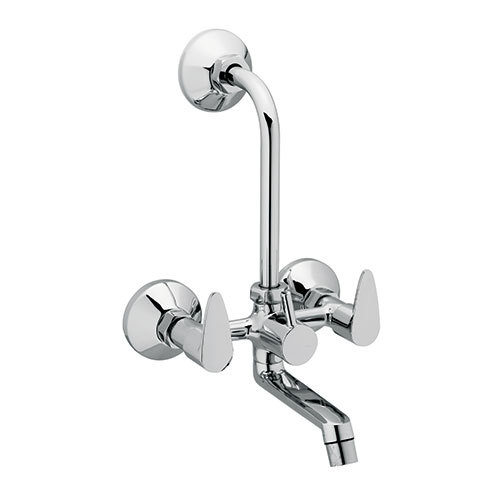
Faucets are among the most frequently used fixtures in a bathroom, making their quality, functionality, and design important considerations for residential and commercial projects. A well-designed faucet provides convenient control over water flow and temperature while complementing the appearance of the bathroom. Today, faucets are available in numerous shapes, sizes, finishes, operating mechanisms, and installation configurations. Understanding these options can help homeowners, architects, interior designers, contractors, and project buyers make informed decisions when selecting products from a Faucets Manufacturer.
What Are Bathroom Faucets?
Bathroom faucets are plumbing fixtures used to control and direct water through a designated outlet. They can be installed on washbasins, countertops, bathtubs, or walls, depending on the bathroom layout and plumbing arrangement. Faucets are available in both traditional and contemporary designs, allowing them to suit different interior styles.
Modern faucets are designed with greater attention to ergonomics and ease of operation. Single-lever models, for example, allow users to adjust water flow and temperature using one handle. Other designs use separate handles or controls for different functions. The appropriate option depends on personal preference, installation requirements, and the overall design of the bathroom.
Common Types of Bathroom Faucets
There are several types of bathroom faucets available for different applications. Basin faucets are commonly installed on washbasins and countertops, while pillar taps are generally designed as individual hot and cold water outlets where the plumbing arrangement requires separate controls.
Single-lever basin mixers combine water flow and temperature adjustment into one operating mechanism. These faucets are popular in contemporary bathrooms because they offer simple operation and a streamlined appearance.
Wall-mounted faucets are installed directly into the wall rather than on the basin or countertop. This configuration can create a clean and uncluttered look while providing flexibility in bathroom design. Deck-mounted faucets, on the other hand, are installed onto a basin, countertop, or other suitable surface.
For bathtub and shower applications, specialized faucets and mixers are available. These may include diverter mechanisms that allow users to direct water between different outlets according to the installation setup.
Materials Used in Faucet Manufacturing
Material selection is one of the most important aspects of faucet manufacturing. Bathroom fixtures are exposed to water, humidity, cleaning products, and frequent handling, so their construction needs to be suitable for regular use.
Brass is widely used in faucet manufacturing because it offers a combination of strength, durability, and resistance to corrosion. Stainless steel is another material used for selected faucet designs because of its strength and resistance to moisture. The choice of material can vary depending on the product category, design, manufacturing process, and intended application.
In addition to the base material, the surface finish plays an important role in the final appearance of the faucet. Chrome plating is a commonly used finish because it provides a bright, reflective surface and complements a wide range of bathroom interiors. Other finishes may be selected when a project requires a particular visual theme.
Importance of Cartridge and Valve Quality
The internal cartridge or valve is a key component of many modern faucets. It controls the movement of water and, in mixer faucets, helps regulate the balance between hot and cold water.
A properly engineered cartridge can contribute to smooth handle movement and consistent water control. Ceramic cartridges are commonly used in modern mixer faucets because they are designed for repeated operation and can provide reliable performance when manufactured and installed correctly.
When evaluating faucets, buyers should therefore look beyond the external appearance and consider the internal components as well. Product specifications can provide useful information about the type of cartridge, operating mechanism, and other important components.
Water Flow and Efficiency
Water management has become an important consideration in modern bathroom design. Faucets can incorporate aerators and flow-control components that help regulate the water stream. An aerator mixes air with the water flow, which can create a comfortable stream while potentially reducing unnecessary water consumption.
Water efficiency depends on several factors, including the faucet design, flow rate, water pressure, and user habits. Buyers should review the product's specifications and select a model appropriate for the intended application.
Design and Aesthetic Considerations
Faucets are no longer viewed only as functional plumbing fixtures. Their design can influence the overall appearance of a bathroom. Minimalist faucets with clean lines are often suitable for contemporary interiors, while more detailed designs can complement traditional or decorative bathroom themes.
The height and reach of a faucet are also important. A faucet should be appropriately sized for the basin or countertop so that water flows into the correct area without excessive splashing. The finish should also coordinate with other bathroom accessories, such as shower fittings, towel rails, cabinet hardware, and other fixtures.
Popular finishes may include polished chrome and other decorative surface treatments. The choice should be based on the desired appearance as well as practical considerations such as cleaning and maintenance.
Installation Requirements
Before purchasing a faucet, it is important to understand the installation arrangement. Faucets can require different mounting configurations and plumbing connections. Basin-mounted, deck-mounted, and wall-mounted products each have specific installation requirements.
Buyers should check the number and position of mounting holes, inlet connections, dimensions, spout reach, and available water supply before selecting a product. Proper installation is important for achieving reliable operation and preventing issues related to leaks or improper alignment.
Professional installation can also help ensure that the faucet is correctly connected and securely fitted according to the manufacturer's recommendations.
Maintenance of Bathroom Faucets
Regular maintenance can help preserve the appearance and functionality of bathroom faucets. Surface deposits can develop over time because of minerals present in water, particularly in areas with hard water. Regular cleaning using suitable non-abrasive products can help maintain the finish.
Harsh chemicals, abrasive cleaning materials, or unsuitable tools may damage certain surface finishes. Users should follow the manufacturer's cleaning recommendations and avoid applying products that are not intended for the faucet's specific finish.
Checking for leaks and ensuring that handles operate smoothly can also help identify potential maintenance requirements at an early stage.
Factors to Consider When Choosing a Faucet Manufacturer
When comparing a Faucets Manufacturer, buyers should consider more than product appearance. Important factors include manufacturing quality, material specifications, product variety, finishing standards, cartridge quality, design options, dimensional accuracy, warranty policies, and after-sales support.
A manufacturer offering a broad range of faucet configurations can be useful for projects with different bathroom layouts. Clear product specifications can also make it easier for architects, contractors, dealers, and homeowners to select suitable fixtures.
Quality control throughout the manufacturing process is another important consideration. Consistent machining, polishing, plating, assembly, and testing can contribute to reliable product performance.
Applications of Bathroom Faucets
Bathroom faucets are used across a wide range of environments. Residential bathrooms may require compact and aesthetically coordinated fixtures, while hotels and hospitality projects often focus on durability, design consistency, and ease of maintenance.
Commercial offices, restaurants, educational institutions, healthcare facilities, and other buildings may have additional requirements based on usage frequency and plumbing arrangements. Selecting a faucet according to the environment can help ensure that the product is suitable for its intended purpose.
Conclusion
Choosing the right bathroom faucet involves evaluating construction, design, installation requirements, water flow, internal components, finish, and maintenance needs. A reliable Faucets Manufacturer can provide different configurations and specifications to meet the requirements of residential, hospitality, commercial, and institutional projects.
Rather than selecting a faucet based only on appearance, buyers should examine the product's material, cartridge or valve system, dimensions, mounting arrangement, finish, and expected application. By considering these factors carefully, it becomes easier to select bathroom faucets that provide practical water control, suitable durability, convenient operation, and a cohesive appearance within the overall bathroom design.