Bathroom Remodel Cost Guide: Maximize Value Without Overspending
-

- February 23rd, 2026
- 1,343 views

👉 Best IPTV Services 2026 – 10,000+ Channels, 4K Quality – Start Free Trial Now
Understanding bathroom remodeling cost helps homeowners plan realistic budgets and focus spending on upgrades that increase functionality and resale value. This guide explains typical price ranges, major cost drivers, and practical ways to maximize return on investment without overspending.
- Typical midrange bathroom remodels vary widely depending on size and scope—expect a broad range rather than a fixed number.
- Labor, plumbing, and structural work are common cost drivers; fixtures and finishes affect both cost and resale appeal.
- Prioritize durable, neutral choices and targeted upgrades to maximize value while keeping costs under control.
- Permits, ventilation, and water-efficiency standards matter; consult local building codes and trade organizations for guidance.
Bathroom remodeling cost: typical ranges and what affects price
Typical cost brackets
Costs vary by region, home age, and the scope of work. Typical ranges often cited by industry sources break down into partial updates, midrange remodels, and full gut renovations. A partial update (replacing fixtures, repainting, modest tile work) can be the most budget-friendly option, while a full renovation that changes layout, plumbing, and finishes will be at the higher end.
Primary cost drivers
Key elements that influence a bathroom remodel price include:
- Labor: Plumbers, electricians, tile setters, and carpenters typically make up a large portion of budget.
- Plumbing and layout changes: Moving drains or supply lines increases both time and permit costs.
- Fixtures and finishes: High-end tiles, custom vanities, and premium fixtures raise costs significantly.
- Structural or water-damage repairs: Hidden issues discovered during demolition can add unexpected expense.
- Permits and inspections: Local building codes often require permits for plumbing, electrical, or structural work.
Plan and prioritize high-value upgrades
Focus on layout and function
Maintaining the existing layout can save considerable money. When layout changes are needed, prioritize moves that improve usability—adding an extra sink, creating more storage, or improving accessibility—to increase both daily comfort and market appeal.
Choose durable, neutral finishes
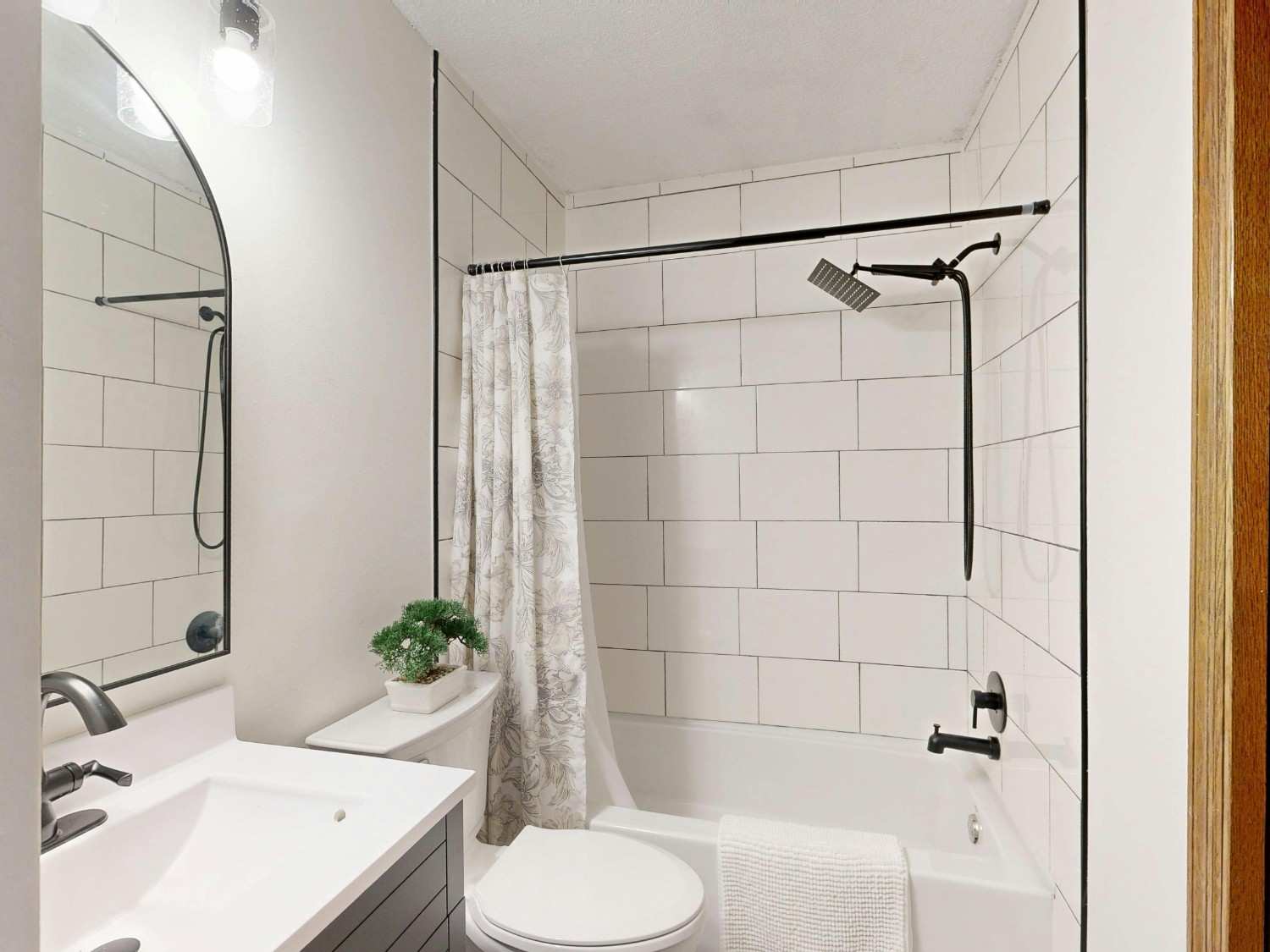
Neutral tile, water-resistant flooring, and midrange fixtures tend to appeal to a broad range of buyers and reduce the need for early replacement. Energy- and water-efficient fixtures can lower operating costs and may be required to meet local codes.
Materials, labor, and permits: allocating your budget
Breakdown suggestions
A common allocation model for a midrange remodel is:
- Labor: 30–50% of total budget
- Fixtures and finishes: 30–40%
- Design, permits, and contingency: 10–20%
Permits and code compliance
Local building departments regulate plumbing and electrical work; permits and inspections are often required for remodels. Failing to obtain permits can complicate future sales or insurance claims. Check municipal codes and allow time and budget for permit fees.
How to save money without sacrificing value
Shop smart on fixtures and materials
Selective upgrading—choosing a high-quality vanity or tile in a focused area while saving on secondary items—can deliver a premium look without premium cost. Compare warranties, material durability, and installation complexity when selecting products.
Consider contractor choices and timing
Obtain multiple written estimates, verify contractor licenses and references, and prioritize firms familiar with bathroom projects. Avoid rushed scheduling; project delays often increase cost. When feasible, stagger improvements to spread expenses over time.
Estimating ROI and resale impact
Which upgrades pay off
Upgrades that improve function, expand usable space, or correct visible defects typically offer the best resale value. Well-executed updates to lighting, ventilation, and storage often yield strong buyer appeal. For national guidance on design best practices, trade associations such as the National Kitchen & Bath Association publish research and standards that can inform decisions.
Market context matters
Local real estate trends, neighborhood comparables, and the overall condition of the home influence how much a bathroom remodel will affect sale price. Consult local real estate market reports and an appraiser or agent for location-specific guidance.
Practical checklist before starting
Pre-remodel steps
- Define must-haves versus nice-to-haves and set a realistic budget range.
- Get at least three detailed bids and check references and insurance.
- Confirm permit requirements and plan for inspections.
- Set aside a contingency fund (commonly 10–20%) for unforeseen issues.
- Choose finishes that match the home’s style and intended resale strategy.
Timeline and common surprises
Typical project timelines
Simple updates can take a few days to a week; full renovations commonly range from 3 to 8 weeks depending on scope and permit timing. Tile work, custom cabinetry, and waiting for special-order items can extend timelines.
Common unexpected costs
Hidden water damage, non-compliant electrical wiring, and out-of-square walls that require custom work are frequent sources of additional expense. Budgeting for contingencies helps manage these risks.
FAQ
How much does bathroom remodeling cost on average?
Average costs vary widely by region, project scope, and materials. Partial updates are the least expensive; full gut renovations are the costliest. Use regional cost guides and multiple contractor estimates to determine a practical local average.
What upgrades give the best return on investment?
Functional improvements—such as modern fixtures, better lighting, improved ventilation, and additional storage—often deliver strong returns. Neutral, durable finishes and water-efficient plumbing can also attract buyers.
Is it worth changing the bathroom layout?
Changing layout can improve usability and increase value but typically raises costs substantially because of plumbing and permit work. When possible, keep plumbing locations to save money unless the new layout provides clear, long-term benefits.
How can DIY affect the overall cost?
DIY can reduce labor expense but may increase risk if code-related work (electrical, plumbing) is performed without proper permits or expertise. Contractors often provide warranties and manage inspections that protect homeowners.
What are the typical permit requirements for bathroom remodeling cost projects?
Permits are commonly required for plumbing, electrical, and structural changes. Requirements vary by municipality; contact the local building department for specific rules and fee estimates before starting work.