How Preschool Classrooms Promote Learning, Social Skills, and School Readiness
-

- February 23rd, 2026
- 1,331 views

FREE SEO Topical Map Generator: Find Your Next Content Ideas
Preschool classrooms support early learning by providing structured opportunities for cognitive development, language exposure, and social-emotional growth during a sensitive period for brain development. Research on early childhood education links high-quality early experiences to improved school readiness, stronger vocabulary acquisition, and better peer relationships.
- Preschool classrooms offer developmentally appropriate learning, play-based curriculum, and guided social interactions.
- Key benefits include cognitive gains, language and literacy development, social-emotional skills, and motor development.
- Teacher-child interactions and classroom environment strongly influence outcomes.
- Access and equity, family engagement, and consistent quality standards matter for long-term benefits.
Key benefits of preschool classrooms
Cognitive and academic development
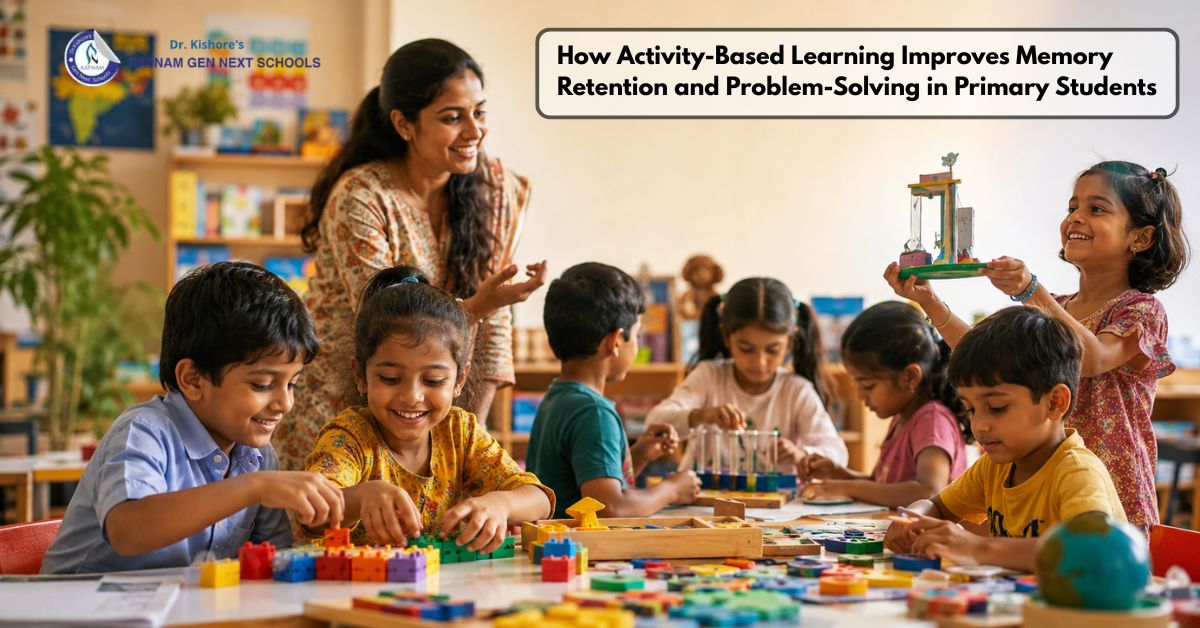
Preschool classrooms provide activities that encourage early numeracy, problem solving, and attention control. Play-based and inquiry-driven experiences help children practice memory, pattern recognition, and early math concepts in age-appropriate ways. Longitudinal studies in early childhood education literature report that children who participate in quality preschool programs often enter elementary school with stronger foundational skills for reading and mathematics.
Language and literacy growth
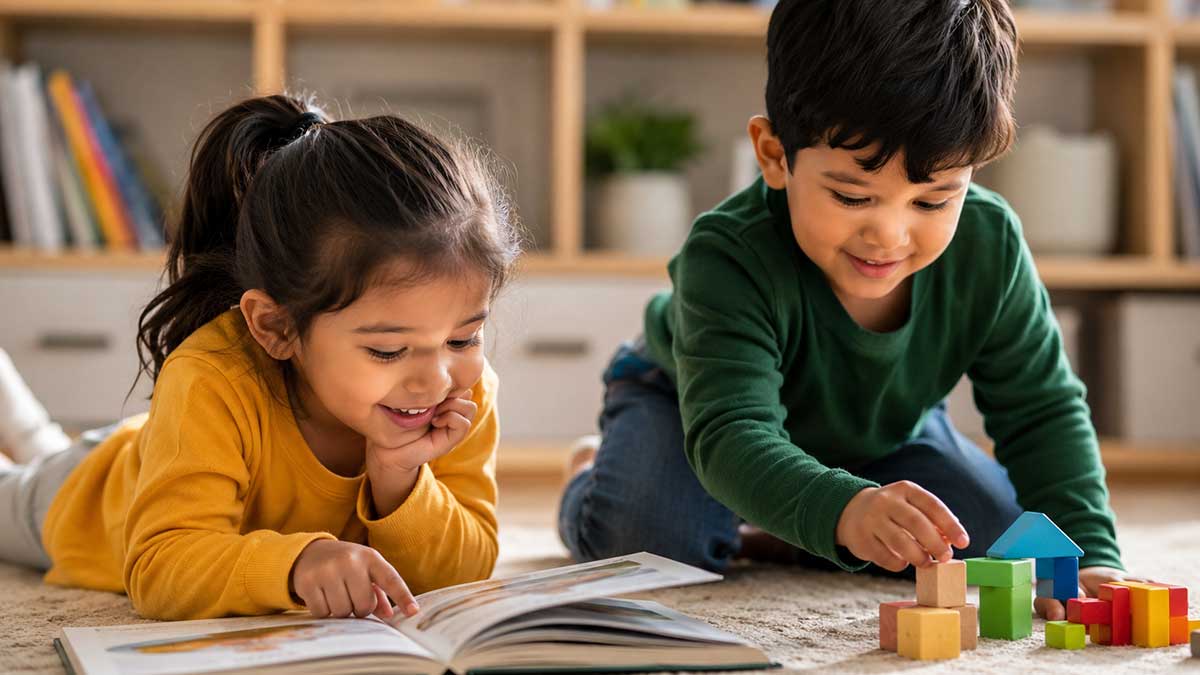
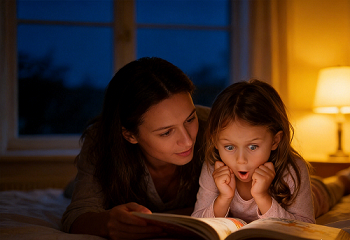
Frequent, responsive conversations with adults and peers within preschool settings support vocabulary expansion and narrative skills. Activities such as shared book reading, storytelling, and phonological play contribute to emergent literacy. Exposure to diverse vocabulary and sustained dialogic interactions are associated with improved language outcomes.
Social-emotional development
Interaction with peers and guided instruction in emotion regulation, sharing, and conflict resolution help children develop social skills needed for classroom learning. Teacher-led routines and predictable schedules also promote self-regulation and a sense of security, which researchers identify as key predictors of later academic and behavioral adjustment.
Physical and motor skills
Preschool classrooms typically include both fine-motor activities (cutting, drawing, manipulative play) and gross-motor opportunities (outdoor play, movement games). These experiences support coordination, strength, and the physical foundations for writing and self-care tasks.
Classroom environment, curriculum, and teacher-child interactions
Learning environment and materials
A developmentally appropriate environment offers varied, accessible materials that invite exploration and symbolic play. Classroom organization, predictable transitions, and clearly defined learning centers enable children to engage independently and collaboratively.
Role of teachers and interactions
Quality teacher-child interactions—characterized by sensitivity, scaffolding, and rich language input—are among the strongest predictors of positive outcomes in preschool settings. Professional training, reflective practice, and ongoing assessment support teachers in adapting instruction to individual needs.
Access, equity, and family engagement
Access and socioeconomic considerations
Access to high-quality preschool classrooms varies across communities. Policies that support affordability, workforce development, and consistent quality standards aim to reduce disparities. Research findings indicate that universal access paired with quality standards yields greater benefits, especially for children from historically underserved backgrounds.
Family partnerships
Meaningful family engagement—communication about developmental goals, home activities that extend classroom learning, and culturally responsive practices—amplifies the effects of preschool. Collaborative goal-setting between educators and families supports continuity between home and school.
Evidence, guidance, and policy considerations
Evidence synthesized by educational researchers and public agencies emphasizes the importance of program quality, teacher preparation, and consistent assessment frameworks. For international guidance and reports on early childhood care and education, consult reputable sources such as UNESCO on early childhood. Policymakers and program leaders typically consider workforce compensation, class size, and curriculum standards when designing scalable preschool initiatives.
Practical tips for families and providers
What to look for in a preschool program
Indicators of quality include warm, responsive staff; opportunities for play and small-group learning; clear daily routines; safe indoor and outdoor spaces; and communication with families about progress. Observation of teacher-child interactions and a focus on developmental milestones can help families evaluate fit.
Ways families can support preschool learning
Simple activities such as shared reading, play that encourages problem solving, and routines that foster independence reinforce classroom learning. Open communication with teachers about a child’s interests and home routines supports consistent expectations.
Frequently asked questions
What are the main benefits of preschool classrooms?
Preschool classrooms promote cognitive skills, language and literacy development, social-emotional learning, and physical development through structured play, teacher interactions, and a developmentally appropriate environment. Quality programs also strengthen school readiness and support smoother transitions into formal schooling.
How long should a child attend preschool each week?
Duration and scheduling vary by program and family needs. Many programs offer part-day and full-day options; research suggests consistent attendance and program quality are more influential than a specific number of hours. Decisions should consider child development, family circumstances, and program offerings.
Do all children benefit equally from preschool classrooms?
Benefits can vary based on program quality, family context, and individual differences. High-quality programs tend to produce the most consistent gains, and targeted supports may be necessary to address diverse developmental needs.
How can communities improve preschool quality?
Strategies include investing in teacher training and compensation, maintaining appropriate child-to-staff ratios, implementing evidence-based curricula, and supporting family engagement. Public policy that prioritizes equitable access and accountability systems can also strengthen overall quality.