Best Curtain Designs for Every Interior Style: A Practical Decorating Guide
-

- February 23rd, 2026
- 1,381 views
Selecting the right curtain designs is a simple way to transform a room’s mood, improve light control and reinforce an interior style. This guide explains how fabric, color, pattern and installation choices work together to create cohesive window treatments that suit modern, traditional, minimalist and eclectic interiors.
- Match curtain style to the room’s architecture and scale.
- Choose fabric and lining for the right balance of light, privacy and thermal performance.
- Consider header, mounting and rod choices to affect overall appearance.
- Measure carefully: width, drop and mounting height determine the final look.
- Prioritize easy-care and sustainable options where possible.
Curtain designs: pairing style, function and space
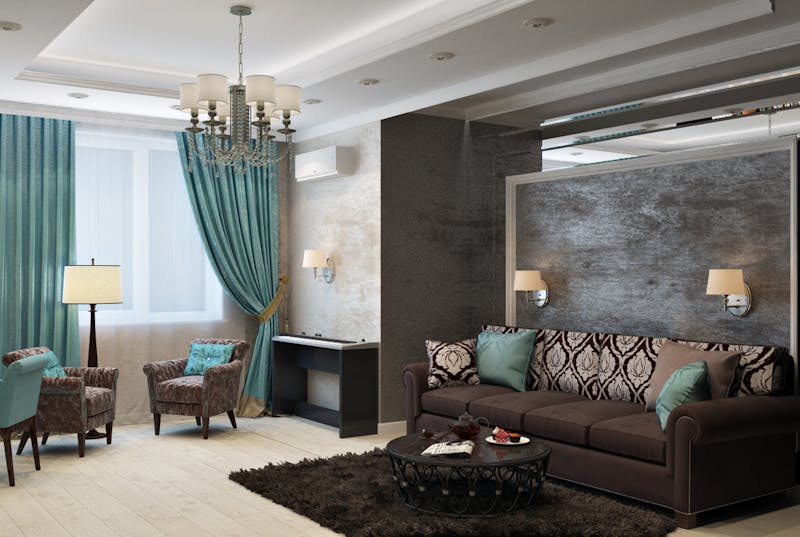
Curtain designs can emphasize an interior’s architectural elements or act as a soft backdrop. Consider the room’s purpose—living rooms benefit from layered treatments that allow both daylight and privacy; bedrooms often need blackout or lined curtains for sleep comfort. Popular interior styles include modern, traditional, Scandinavian, industrial and bohemian; each suggests different fabric weights, pleat types and mounting choices.
Understanding interior style cues
Modern interiors favor clean lines, minimal pleating and solid or subtle geometric textures. Traditional rooms suit heavier fabrics, classic patterns like stripes or damask, and tailored headings such as box pleats. Scandinavian and minimalist spaces often use sheer panels or linen-look fabrics in neutral palettes to maintain an airy feel. Bohemian and eclectic rooms welcome layered textiles, mixed prints and informal hems.
Balancing aesthetics and function
Function drives some decisions: blackout linings and thermal interlinings improve sleep and energy efficiency; light-filtering sheers moderate glare while keeping views. Consider window orientation—south- and west-facing windows may need heavier or lined curtains to control heat. For guidance on energy performance and window products, refer to industry standards from recognized organizations such as the National Fenestration Rating Council and professional design bodies.
Fabric, lining and light control
Fabric types and effects
Common curtains fabrics include cotton, linen, velvet, polyester blends and silk. Lightweight sheers (polyester or voile) allow diffusion of daylight and soften views; medium-weight cotton and linen provide privacy with a relaxed drape; heavy velvets and thick weaves give a formal, insulating finish. Consider fabric durability for high-traffic rooms and the ease of cleaning—some upholstery-grade textiles are more durable but heavier to maintain.
Lining, blackout and thermal options
Lining options affect opacity, insulation and longevity. Blackout linings block most incoming light and reduce noise, useful for bedrooms and media rooms. Thermal interlinings add insulating value and can contribute to energy savings. Choose linings that are compatible with the fabric’s weight and intended use to preserve drape and avoid stiffness.
Pattern, color and scale
Choosing colors
Color selection should consider wall tones, flooring and main furnishings. Neutral curtains create a calm backdrop; bold colors or saturated hues make windows a focal point. Use color theory to complement or contrast room palettes: analogous schemes are calming, while complementary contrasts add energy.
Working with patterns and scale
Match pattern scale to room size—large prints suit spacious rooms and high ceilings, while small-scale motifs work well in compact spaces. For cohesive interiors, repeat a pattern or color from cushions, rugs or artwork. In mixed-pattern rooms, maintain a consistent color story to unify the look.
Header styles, mounting and hardware
Header types and the resulting look
Popular header styles include pinch pleat, pencil pleat, goblet, rod pocket and tab top. Tailored pleats convey formality; simple rod-pocket or tab tops offer an informal, casual look. The choice of header also affects fullness and ease of movement when opening or closing curtains.
Mounting height and rod placement
Mount rods higher than the window frame—typically 4–6 inches above the trim or near the ceiling—to make ceilings feel taller and windows more prominent. Extend the rod beyond the window by 4–12 inches on each side so curtains can clear the glass when open, maximizing daylight and view.
Measuring, installation and care
How to measure for the right fit
Measure window width and multiply by fullness factor (1.5–3x depending on desired gather) to determine curtain panel width. For drop, measure from the chosen rod position to the desired hem—floor-length typically ends 1/2 inch above the floor for a float look or 1–2 inches puddled for a formal effect. Accurate measurement ensures proper proportions and functionality.
Installation tips and maintenance
Use sturdy hardware appropriate to curtain weight, and consider professional installation for heavy drapes. Regular care—vacuuming with a brush attachment, spot cleaning and following manufacturer laundering instructions—extends fabric life. For allergen-sensitive households, choose washable fabrics and avoid dense dust-catching pleats.
Sustainability and accessibility considerations
Materials and lifecycle
Look for natural fibers, recycled-content fabrics and low-impact dyes when sustainability is a priority. Removable, machine-washable panels reduce the need for dry cleaning. When buying new, consider secondhand or repurposed textiles to reduce waste.
Accessibility and smart controls
Motorized or cord-free options improve safety for homes with children and ease operation for people with mobility limitations. Automated controls can also integrate with smart home systems to schedule light levels for privacy and energy savings.
For professional guidance, many homeowners consult interior design organizations for resources and best practices; the American Society of Interior Designers provides public-facing articles and continuing education materials for design professionals.
American Society of Interior Designers (ASID)
Frequently asked questions
What are the most versatile curtain designs for living rooms?
Versatile options include layered treatments with a sheer inner panel and a heavier outer drape. Neutral linen or cotton blends with a simple header (pencil or pinch pleat) suit multiple decorating schemes and allow easy updates with cushions or throws.
How do pattern and scale affect small rooms?
In small rooms, choose smaller-scale patterns or solid colors to avoid overwhelming the space. Vertical stripes can create the illusion of height; floor-to-ceiling panels visually expand walls when mounted higher than the window frame.
Which curtain designs are best for blocking light in bedrooms?
Blackout-lined curtains in a heavy weave (velvet, sateen or triple-weave synthetics) provide the most effective light blockage. Combine with a blackout roller or blind for complete coverage when needed.
How should curtains be matched to different interior styles?
Match curtains to the key characteristics of the style: tailored, rich fabrics for traditional rooms; simple linens or sheers for Scandinavian and minimalist interiors; layered, textured textiles and mixed prints for bohemian spaces. Keep color, texture and scale consistent with other major elements in the room.
Can curtains improve a room’s energy efficiency?
Yes. Properly lined and thermally interlined curtains reduce heat loss in winter and limit solar heat gain in summer, helping to improve comfort and potentially reduce energy use when combined with other window efficiency measures.