Best Foods to Raise HDL (Good) Cholesterol Levels
-

- March 18th, 2026
- 1,694 views
Boost your good cholesterol levels by choosing foods high in unsaturated fats, soluble fiber, omega-3 fatty acids and plant sterols. HDL (high-density lipoprotein) cholesterol is often called “good” cholesterol because higher HDL levels are associated with a reduced risk of artery-clogging plaque in population studies. Diet can influence HDL concentration and function as part of a wider lifestyle approach.
This article reviews top foods linked with higher HDL or improved cholesterol profiles, explains likely mechanisms, and offers practical ways to include these items in a balanced eating pattern. Recommendations reference public health and scientific sources such as the American Heart Association and the National Institutes of Health for context.
- Fatty fish (salmon, mackerel), nuts, and olive oil supply fats that can support HDL.
- Soluble fiber from oats, barley, legumes and fruits helps overall cholesterol balance.
- Plant sterols/stanols and soy foods can modestly improve lipid profiles when included regularly.
- Dietary changes work best combined with other healthy habits such as regular physical activity and tobacco avoidance.
Boost Your Good Cholesterol Levels: Top Foods
Fatty fish (omega-3 rich)
Fatty fish such as salmon, sardines, mackerel and trout are high in long-chain omega-3 fatty acids (EPA and DHA). These fats are associated with improved triglyceride levels and may support HDL function. Common guidance from public health organizations suggests including seafood twice weekly as part of a heart-healthy diet.
Nuts and seeds
Almonds, walnuts, pistachios, chia and flaxseeds provide monounsaturated and polyunsaturated fats, fiber and plant compounds that are linked to favorable changes in HDL and other lipid measures. Portion control helps: a small handful (about 1 ounce) most days is a practical option.
Olive oil and other sources of monounsaturated fats
Extra-virgin olive oil, avocado and certain vegetable oils are high in monounsaturated fatty acids. Replacing refined carbohydrates or saturated fats with monounsaturated fats can improve HDL concentration in some studies while also benefiting overall cardiovascular risk.
Whole grains and soluble fiber (oats, barley)
Oats, barley and psyllium supply soluble fiber that helps reduce LDL (“bad”) cholesterol and supports a balanced lipid profile. Soluble fiber forms a gel in the gut that can bind cholesterol-containing bile acids and promote their excretion, indirectly supporting healthy HDL-to-LDL ratios.
Legumes (beans, lentils, peas)
Legumes are a source of soluble fiber, plant protein and low-glycemic carbohydrates. Regularly replacing refined grains or some animal protein with beans or lentils is associated with improved cholesterol measures in clinical trials.
Fruits and vegetables with polyphenols
Berries, citrus fruits, apples and leafy greens supply fiber and bioactive compounds such as flavonoids and polyphenols. Some research suggests these compounds can modestly influence HDL function and overall vascular health.
Soy foods and plant proteins
Soy protein (tofu, tempeh, edamame) has been studied for its lipid effects; replacing higher saturated fat animal proteins with soy-based options can support healthier cholesterol levels in population and clinical studies.
Plant sterols and stanols
Plant sterols and stanols, found naturally in small amounts in some plant foods and added to certain fortified foods, can reduce intestinal cholesterol absorption and improve lipid profiles. Use of sterol-containing products has been recommended by some nutrition authorities as part of cholesterol-lowering dietary strategies.
How these foods affect HDL and overall cholesterol
Mechanisms
Foods influence blood lipids through several mechanisms: altering lipid transport particles (HDL, LDL), affecting hepatic cholesterol metabolism, modifying intestinal absorption of cholesterol and changing systemic inflammation. For example, unsaturated fats can raise HDL particle concentrations and improve HDL’s role in reverse cholesterol transport, while soluble fiber reduces LDL cholesterol by binding bile acids.
Evidence and limits
Randomized trials and observational studies generally show modest changes in HDL from dietary shifts; the magnitude varies by individual, baseline diet, genetics and other lifestyle factors. Public health bodies such as the American Heart Association and the National Institutes of Health provide summaries of evidence and dietary patterns associated with heart health. For general information on cholesterol, see the American Heart Association resource: About Cholesterol.
Practical ways to add these foods
Meal ideas
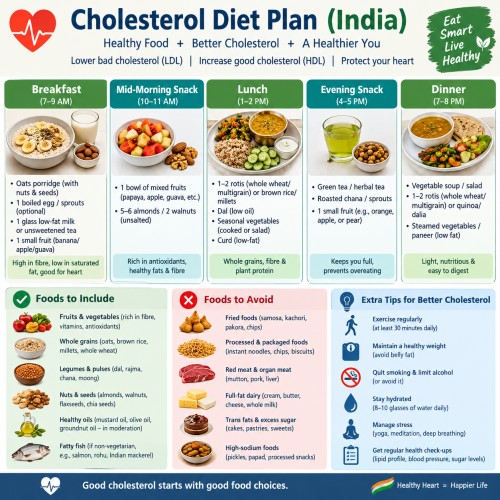
Include a serving of fatty fish 1–2 times weekly, snack on a small handful of nuts, use olive oil for salad dressings and cook with legumes as a meat alternative. Start the day with a bowl of oats topped with berries and seeds to combine soluble fiber and polyphenols.
Substitutions and portioning
Swap refined grains for whole grains, replace some red meat with legumes or soy, and choose nuts instead of processed snacks. Balance portions to support overall calorie needs and body weight goals.
When to consider testing or professional guidance
Monitoring
Periodic lipid panels ordered by a licensed healthcare provider measure HDL, LDL, total cholesterol and triglycerides. These results, together with personal medical history and risk factors, inform any needed clinical steps. Public health agencies outline recommended intervals for screening based on age and risk.
Frequently Asked Questions
How long does it take for foods to boost your good cholesterol levels?
Changes in blood lipids can appear within weeks to months after sustained dietary changes, but the timing varies by individual and the magnitude of change. Clinically meaningful effects are typically monitored over months with repeat lipid testing.
Can one food dramatically raise HDL on its own?
No single food is likely to produce a dramatic HDL increase. Improvements are usually seen when multiple heart-healthy foods are combined and other behaviors—like regular physical activity and avoiding tobacco—are included.
Are supplements better than food sources for raising HDL?
Many nutrients have been studied as supplements, but whole foods provide complex combinations of fats, fiber and bioactive compounds that are generally preferred in dietary patterns. Safety and effectiveness of supplements vary; regulatory guidance differs by country.
What other lifestyle factors affect HDL?
Regular aerobic exercise, maintaining a healthy weight and not smoking are associated with higher HDL and better cardiovascular risk profiles. Alcohol can raise HDL modestly but carries other health risks; public health guidance should be consulted.