Choosing the Best Black Galaxy Granite: Quality, Buying Checklist, and Supplier Guide
-

- April 08th, 2026
- 316 views

Get a free topical map and start building content authority today.
Black Galaxy Granite: Overview and Benefits
The term black galaxy granite refers to a popular, deep-black natural stone with metallic or coppery mineral specks that resemble stars. For kitchen islands, bathroom vanities, and commercial applications, black galaxy granite combines dramatic visual appeal with high durability, making it a strong candidate for premium surfaces.
- Black galaxy granite is prized for its dark field and reflective mineral flecks.
- Use the 5-Point Granite Selection Framework to check color consistency, slab size, finish, porosity, and edge/repair compatibility.
- Compare polished vs. honed finishes for maintenance and look; get quotes from vetted black galaxy granite suppliers and inspect slabs in person.
Detected intent: Commercial Investigation
How to evaluate black galaxy granite quality (5-Point Granite Selection Framework)
Quality varies between quarries and lots. Use the named framework below to compare slabs and supplier claims systematically.
5-Point Granite Selection Framework
- Visual consistency: Check color depth, speck density, and veining across full slabs to avoid jarring pattern changes on large runs.
- Slab thickness and size: Prefer full-size slabs (3 cm / 1-1/4" or thicker for high-traffic counters) to minimize seams.
- Finish and slip resistance: Inspect polished, leathered, or honed finishes under direct light; the finish affects reflectivity and maintenance.
- Porosity & sealing: Conduct a water droplet test (drops should bead if previously sealed); ask for manufacturer/installer sealing recommendations.
- Edge and cut quality: Check cut edges, miter joints, and any factory-applied treatments for durability and color match.
Practical example: Choosing slabs for a kitchen island
For a 10-foot kitchen island, request three full slabs, inspect them side-by-side under natural light, and choose the two with the most consistent grain and color. Specify a polished finish for the countertop and a leathered finish for the island face to reduce fingerprints. Confirm seam placement on the drawings and request a mock-up photo before fabrication.
Comparing finishes and uses for black galaxy granite countertops
Black galaxy granite countertops are commonly used in kitchens and bathrooms. Polished surfaces show mineral flecks and are easier to clean but reveal fingerprints and water spots. Honed or leathered finishes mute reflections and hide wear better, but they may require more frequent sealing. For heavy-use commercial spaces, thicker slabs and protective edges increase long-term performance.
Finish trade-offs
- Polished: high shine, highlights specks, easier to disinfect but shows smudges.
- Honed: satin look, less reflective, slightly more porous surface to maintain.
- Leathered: textured matte appearance, hides wear and provides tactile grip.
Where to buy and vet black galaxy granite suppliers
Finding reputable black galaxy granite suppliers requires checking inventory, fabrication practices, and references. Ask suppliers for slab photos, ISO or CE compliance if applicable, and examples of completed installations. Schedule a slab viewing when possible—photos alone can be misleading for color and reflectivity.
Supplier vetting checklist
- Request full slab photos and measurements, and confirm lot/batch numbers.
- Confirm fabrication capabilities: waterjet cut, edge profiles, templating methods.
- Ask for references and visit one completed installation if feasible.
- Verify warranty or workmanship policy and lead times for countertops.
- Get written sealing and maintenance instructions.
For industry guidance on natural stone care and standards, consult the Natural Stone Institute’s resources for testing and maintenance best practices (Natural Stone Institute).
Costs, logistics, and installation considerations
Price depends on slab grade, finish, thickness, and transport distance. Expect higher costs for rarer or more consistent slabs and for pre-sealed or custom-finished pieces. Factor in templating, edge profiles, sink cutouts, reinforcement for heavy islands, and waste from seams when budgeting.
Common mistakes and trade-offs
- Choosing slabs from photos alone: color and reflectivity vary with lighting.
- Underestimating seam visibility on large islands: choose slab layout carefully.
- Skipping a water droplet porosity test: unsealed surfaces stain faster.
- Ignoring finish fit: polished for show, leathered/honed for function—select based on use case rather than trend.
Practical tips for buying black galaxy granite
- Inspect slabs in natural light and mark preferred areas for focal features to guide template placement.
- Request the same lot or batch for multiple slabs to ensure pattern continuity across large runs.
- Include a sealed sample panel or small offcut in the contract to confirm finish and color before installation.
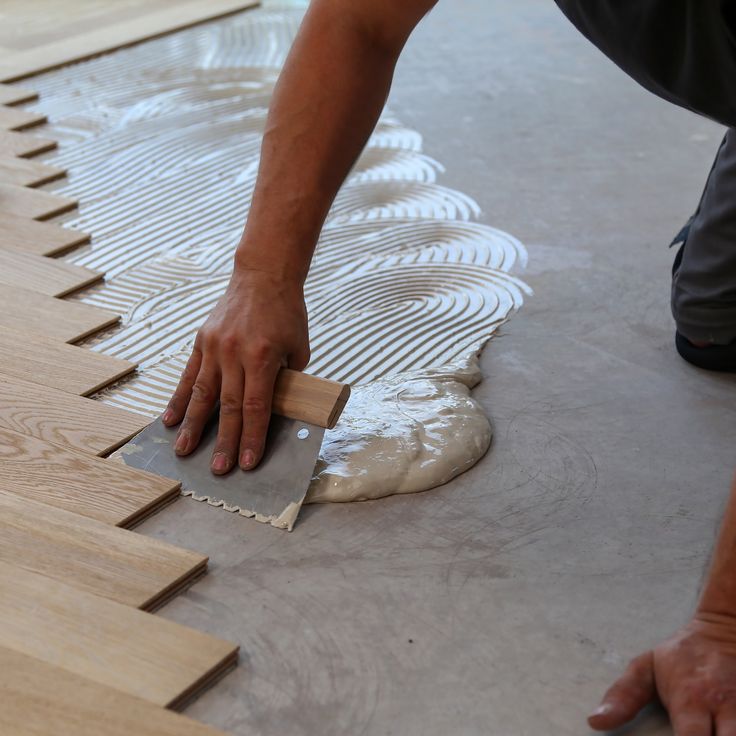
- Confirm that the installer uses industry-standard adhesives and load-bearing supports for heavy countertops.
- Plan for annual or biannual resealing depending on traffic and finish—document the recommended product in the handover materials.
Core cluster questions
- How to tell high-quality black galaxy granite from lower-grade material?
- What is the expected lifespan of black galaxy granite in a kitchen setting?
- How do finishes (polished vs honed vs leathered) affect maintenance and appearance?
- What are common installation challenges for large black granite slabs?
- How to negotiate slab selection and price with a supplier or fabricator?
Short scenario: Specifying stone for a boutique café counter
A boutique café required a 12-foot counter with a dramatic, easy-to-maintain surface. Specification called for black galaxy granite, leathered finish on front faces to hide fingerprints, polished serving top for shine, and a continuous seam placed behind the service line. The contractor ordered slabs from a single lot, requested mock-up photos for seam placement, and scheduled templating after confirming all appliance and sink locations.
FAQ: Is black galaxy granite a good choice for kitchen countertops?
Yes. Black galaxy granite is a durable, visually striking option for kitchens. It resists heat and scratching better than many engineered surfaces, but performance depends on slab grade, finish, and proper sealing.
How do black galaxy granite countertops compare with quartz or marble?
Granite is natural stone with variable patterning and higher heat resistance than quartz (engineered). Marble is softer and more prone to etching. The choice hinges on desired aesthetic, maintenance tolerance, and budget.
What should be included in a purchase and installation contract?
Include slab numbers and photos, agreed finish and edge profile, seam locations, waste allowance, fabrication and install timelines, warranty on workmanship, and recommended sealing/maintenance steps.
How often should black galaxy granite be sealed and maintained?
Sealing frequency depends on finish and use: polished surfaces often require less frequent resealing (annual to biannual), while honed or leathered finishes may need more frequent attention. Perform a water droplet test to check porosity and follow supplier guidance.
Can black galaxy granite be repaired if chipped or scratched?
Yes. Small chips and surface scratches can be repaired by a qualified fabricator using resin fills, polishing, or localized refinishing. Larger structural damage may require slab replacement or patching with a matching offcut.