Beverage Boxes: Packaging Innovations Reshaping the Drinks Industry
-

- Published Updated
- 2,005 views
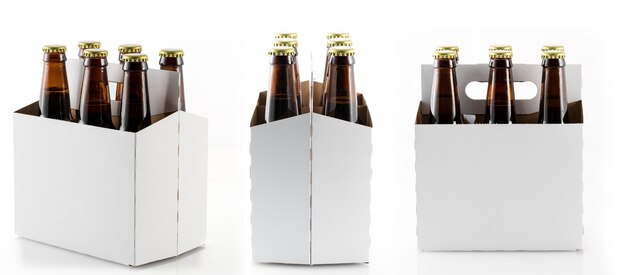
Beverage boxes are an increasingly common packaging format in the drinks industry, used for everything from juices and wines to ready-to-drink teas. This article outlines how beverage boxes are designed, the materials used, manufacturing and shelf-life considerations, environmental impacts and recycling options, and the regulatory context that shapes their development.
- Beverage boxes combine rigid paperboard cartons with barrier layers to protect liquid products and extend shelf life.
- Recent innovations focus on mono-materials, improved barrier coatings, and better end-of-life recyclability.
- Regulation and testing by agencies such as the U.S. Food and Drug Administration (FDA) and the European Food Safety Authority (EFSA) influence material selection and food contact approvals.
Beverage boxes: design, materials, and sustainability
Core structure and materials
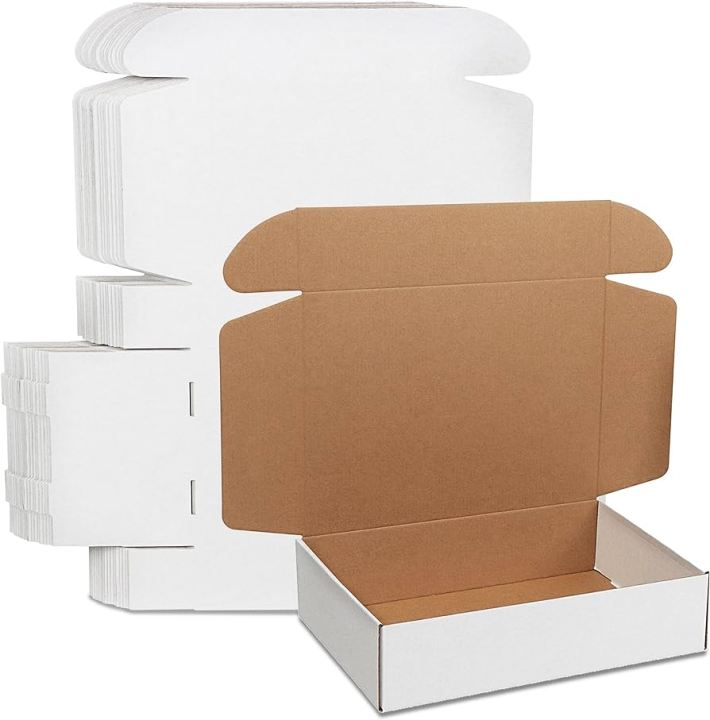
Most beverage boxes are built on a paperboard core that provides shape and stiffness, combined with thin functional layers to provide moisture, oxygen and light barriers. Traditional constructions include polymer films, aluminum foil, and specialized coatings. These layers can be laminated to the board or applied as coatings to meet shelf-life requirements while remaining lightweight compared with glass or metal.
Sustainability trends
Industry trends emphasize reduced carbon footprint, lower material use, and greater recyclability. Innovations include mono-material laminates that replace multi-layer composites, water-based barrier coatings, and paperboard sourced from certified forests (for example, certifications recognized by independent forest management schemes). Life cycle assessment (LCA) is commonly used to compare impacts across packaging formats, including greenhouse gas emissions, resource use, and end-of-life scenarios.
Production and shelf-life considerations
Filling technologies and aseptic processing
Filling lines for beverage boxes may use ambient or aseptic processes depending on the product. Aseptic filling allows shelf-stable products to be stored without refrigeration by sterilizing the product and the container separately before filling. Barrier performance, seam integrity and container sterilizability are critical factors for shelf life, particularly for juice, dairy alternatives, and other perishable beverages.
Barrier performance and product compatibility
Oxygen and light-sensitive beverages require higher-barrier solutions. Compatibility testing considers odor transfer, migration of packaging constituents, and sensory impacts on the beverage. Manufacturers and formulators typically apply standardized tests for oxygen transmission rate (OTR), water vapor transmission rate (WVTR), and migration limits established by regulators and industry standards.
Environmental impact and recycling
Recycling systems and curbside collection
Recyclability of beverage boxes depends on local recycling infrastructure. In some areas, cartons are accepted in curbside fiber streams; in others they require drop-off or specialized collection. Mechanical recycling typically separates the paper fibers from other layers; the presence of aluminum or multi-layer plastics can complicate recovery. Efforts to improve sorting technologies and to design cartons for paper-recycling streams are ongoing.
End-of-life options and circularity
Beyond mechanical recycling, options include chemical recycling for polymer layers, energy recovery where appropriate, and industrial composting for certain compostable materials when certified. Circularity strategies emphasize design for disassembly, reduced mixed-material use, and reclaimed fiber use in new paper products.
Regulation, safety, and materials testing
Food contact regulations
Materials used in beverage boxes must comply with food contact regulations in target markets. In the United States, the U.S. Food and Drug Administration (FDA) provides guidance and regulates food contact substances. In the European Union, the European Food Safety Authority (EFSA) evaluates safety for many materials. Compliance commonly requires migration testing, documentation of substances used in coatings or adhesives, and adherence to specific migration limits for protective barriers.
For more information on regulatory approaches to food contact materials, refer to the FDA's resources on packaging and food contact materials: FDA: Packaging & Food Contact Substances.
Standards and testing bodies
International standards such as ISO testing methods and national food safety agencies provide test protocols for barrier properties, microbial safety, and migration. Third-party laboratories and certification bodies can offer independent verification to support market access and consumer assurance.
Market trends and future innovations
Design and convenience
Design improvements focus on pourability, resealable closures, and ergonomic shapes while maintaining material efficiency. Lightweighting and improved sealing technologies reduce material use and transport emissions.
Material science advances
Emerging technologies include bio-based polymers with improved barrier performance, nanocoatings that add protection with minimal material mass, and increasingly, mono-material approaches that simplify recycling. Collaboration between material scientists, packaging engineers, and recyclers is accelerating development of commercially viable solutions.
Supply chain and circularity partnerships
Producers, waste management firms and regulators are forming partnerships to scale collection and recycling infrastructure. Transparent supply chain data, chain-of-custody certification for recycled fibers, and standardized labeling help consumers and municipalities manage end-of-life flows.
Conclusion
Beverage boxes offer a balance of protection, transport efficiency and potential sustainability benefits compared with other formats. Continued advances in materials, barrier technologies, and recycling systems are likely to shape their role in the drinks industry over the next decade. Decisions about packaging formats should consider product needs, regulatory requirements, and local end-of-life infrastructure.
What are beverage boxes and how are they used?
Beverage boxes are paperboard-based containers with functional barrier layers used to package liquid drinks such as juices, wines and ready-to-drink beverages. They can be filled using ambient or aseptic processing and are chosen for shelf stability, lightweight transport and convenience features.
Are beverage boxes recyclable?
Recyclability varies by construction and local infrastructure. Many cartons can be recycled where paper fiber recovery systems exist, but mixed-material laminates may require specialized processing. Consumers should consult local recycling guidelines.
How do regulations affect the materials used in beverage boxes?
Food contact regulations set limits on migration of substances from packaging into food. Agencies such as the FDA and EFSA publish guidance and testing requirements that influence material selection, coatings and adhesives used in beverage box production.