How Body Systems Work Together: A Practical Guide to Organ Interaction and Wellness
-

- Published Updated
- 366 views
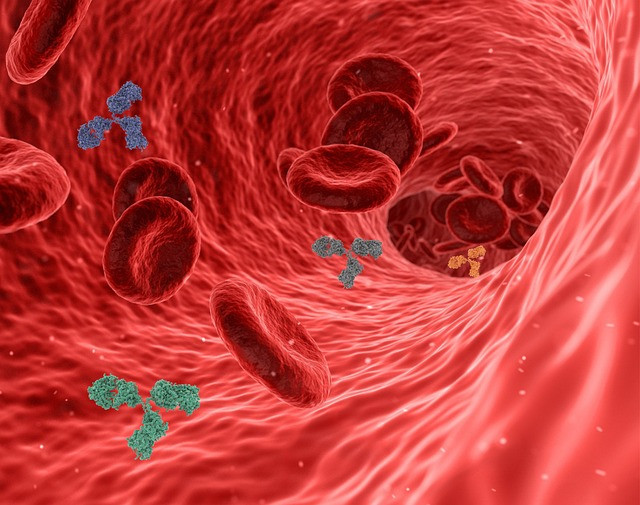
Understanding how body systems work together explains why a problem in one organ can affect overall health. This guide covers core principles of organ teamwork, clear examples of organ systems interactions, and practical steps for maintaining system balance to support wellness.
- Body systems cooperate through signaling, circulation, and metabolic exchange to maintain homeostasis.
- Key interactions include cardiovascular-respiratory, nervous-endocrine, digestive-immune, and renal-endocrine links.
- Use the BALANCE framework and the system health checklist to assess and support organ interaction.
How body systems work together: core principles
Three principles explain most organ-level cooperation: communication (nervous and endocrine signaling), transport and exchange (blood, lymph, and air), and feedback control (homeostasis). For example, the nervous system provides rapid signals, while endocrine signals handle longer-term adjustments. Circulatory flow delivers oxygen, nutrients, hormones, and immune cells to tissues and removes metabolic waste. These mechanisms create dynamic equilibrium across organs and systems.
Major organ systems and their interactions
Cardiovascular and respiratory partnership
The heart and lungs work closely: lungs oxygenate blood; the cardiovascular system distributes that oxygen. Impaired lung function reduces oxygen delivery and forces the heart to compensate, showing a direct organ systems interaction effect on performance and fatigue.
Digestive, metabolic, and immune links
The digestive system processes nutrients and supports the microbiome, which influences immune responses and metabolic regulation. Malabsorption or chronic inflammation in the gut can alter nutrient supply and immune signaling, affecting distant organs like the brain and skin.
Nervous, endocrine, and stress response
The nervous and endocrine systems coordinate stress responses. Acute neural signals trigger hormone release (adrenaline, cortisol) that changes heart rate, glucose availability, and immune activity. Chronic stress shifts this balance, producing systemic wear-and-tear called allostatic load.
Practical framework to support system health: the BALANCE framework
The BALANCE framework provides a simple checklist for assessing and improving cross-system health:
- Behaviors: Sleep, activity patterns, and substance use.
- Activity: Regular movement to support circulation and metabolism.
- Lifestyle: Diet quality, hydration, and routines that reduce chronic stress.
- Awareness: Monitoring symptoms that suggest multi-system involvement.
- Nutrition: Enough macro- and micronutrients for organ function.
- Care: Preventive visits, vaccinations, and medication management.
- Environment: Air quality, ergonomics, and exposure reduction.
A short real-world example
Consider a person with unmanaged diabetes. Elevated blood glucose (endocrine dysfunction) damages small blood vessels (cardiovascular) and impairs immune responses, increasing infection risk (immune system). Nerve damage (neuropathy) reduces sensation and further compounds wound healing issues. This scenario shows how a single endocrine problem cascades across systems and why coordinated care matters.
For an authoritative review of system-level anatomy and physiology, see the National Library of Medicine's overview of organ systems, which outlines accepted definitions and mechanisms for clinical practice and education: National Library of Medicine - Organ Systems.
Practical tips for supporting organ system coordination
- Prioritize regular physical activity (30 minutes most days). Movement improves circulation, lung capacity, and metabolic signaling.
- Maintain consistent sleep schedules to support nervous and endocrine function—poor sleep disrupts hormone rhythms and immune responses.
- Choose whole-food-based meals with protein, fiber, and healthy fats to stabilize blood sugar and feed the microbiome for immune balance.
- Manage stress through short daily practices (breathing, brief walks, or structured relaxation) to reduce chronic endocrine activation.
- Use preventive care: screening tests, vaccinations, and medication reconciliation to catch multi-system problems early.
Common mistakes and trade-offs when aiming for systemic wellness
Common mistakes
- Focusing on one organ while ignoring lifestyle factors that affect multiple systems (for example, taking medication without addressing diet or activity).
- Over-supplementing without guidance—some supplements interact with medications and alter liver or kidney load.
- Assuming single symptoms point to a single cause—fatigue, weight change, or mood shifts often involve several systems.
Trade-offs to consider
Intense exercise improves cardiovascular fitness but can increase short-term inflammation; balance training and recovery are necessary. Similarly, aggressive glucose-lowering strategies reduce long-term complications but can increase short-term hypoglycemia risk. Clinical decisions often weigh short-term side effects against long-term benefits; coordinated care with a clinician helps manage these trade-offs.
Monitoring and when to seek care
A simple system health checklist to track cross-system warning signs: persistent unexplained fatigue, weight change, shortness of breath, new cognitive changes, recurrent infections, or changes in thirst and urination. If two or more systems show new symptoms, seek medical evaluation promptly.
FAQ: How body systems work together to maintain health?
Body systems maintain health through constant communication (nerves and hormones), transport (blood and lymph), and feedback loops (homeostatic set points). Disruption in one system often changes inputs to others, so coordinated regulation is essential.
What are early signs of multi-system dysfunction?
Early signs include unexplained fatigue, significant weight change, persistent digestive issues with systemic symptoms (fever, rash), or combined cognitive and cardiovascular symptoms such as lightheadedness and confusion. These patterns suggest cross-system evaluation.
How do lifestyle changes support organ systems interactions?
Lifestyle adjustments—improving sleep, diet, activity, and stress management—improve circulation, hormonal balance, immune resilience, and nervous system recovery. Small consistent changes often yield measurable cross-system benefits within weeks to months.
When should multiple specialists be involved?
When symptoms span organ boundaries (for example, endocrine and renal issues, or respiratory symptoms combined with heart rhythm changes), coordinated care with primary care plus relevant specialists (endocrinology, cardiology, pulmonology) is appropriate to address interactions and medication trade-offs.
What does maintaining system balance look like day to day?
Maintaining system balance includes regular movement, a varied nutrient-rich diet, consistent sleep, stress management, preventive care appointments, and attention to environmental factors like air quality. Use the BALANCE framework and the system health checklist above to track daily and monthly actions.