Automated Boom Barrier Systems for High-Traffic Areas
-
- Published Updated
- 7,231 views
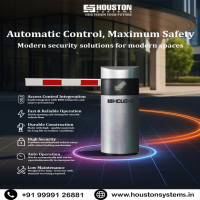
High-traffic entry points in industrial and commercial environments often become operational bottlenecks when vehicle movement is not efficiently managed. Facilities such as logistics parks, warehouses, manufacturing units, and large commercial campuses typically deal with continuous inflow and outflow of vehicles throughout the day.
When entry systems are not designed for sustained usage, even small delays at the gate can gradually affect dispatch schedules, loading operations, and internal traffic coordination.
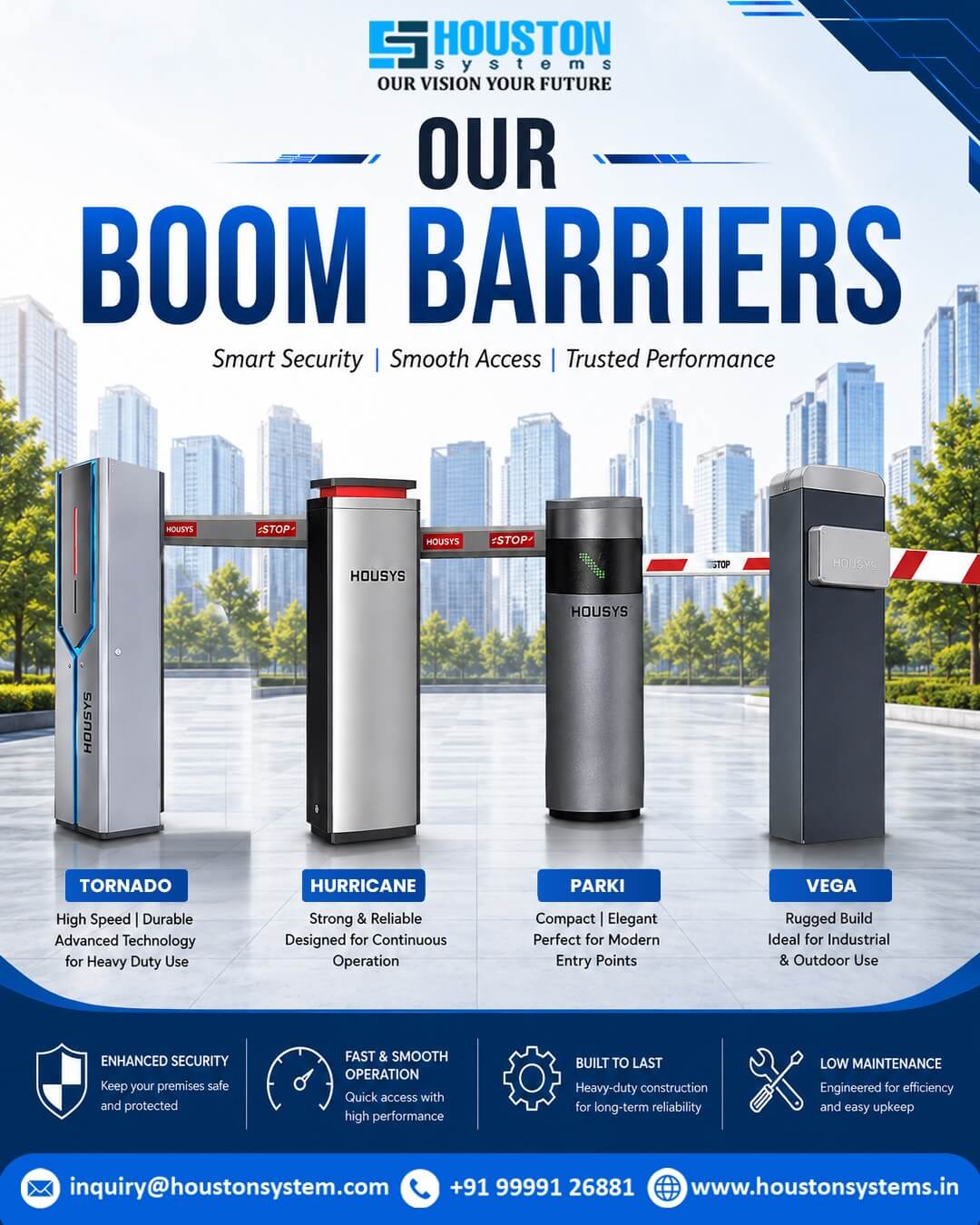
Automated boom barrier systems are built to manage this challenge by controlling vehicle access in a structured and consistent manner, especially in environments where traffic flow remains heavy for long operational hours.
Real-World Challenge in High-Traffic Facilities
In many logistics and industrial sites, traffic congestion does not usually happen due to a single failure. Instead, it builds up gradually.
For example, during peak morning hours at a logistics hub:
Multiple trucks arrive within short intervals for unloading
Employee vehicles enter simultaneously
Security verification happens at the same entry lanes
Exit traffic overlaps with incoming delivery vehicles
Even a delay of a few seconds per vehicle can lead to queues extending outside designated entry zones. Over time, this impacts loading dock schedules and disrupts planned dispatch cycles.
Limitations of Standard Gate Automation
Conventional gate systems are usually designed for moderate traffic conditions. While they perform well in residential or low-volume commercial settings, they often struggle under continuous operational pressure.
Common issues include:
Slower reset time between vehicles
Reduced detection accuracy during continuous use
Mechanical wear due to frequent cycling
Inefficient lane clearing during peak traffic
Increased dependency on manual supervision
In high-volume environments, these small inefficiencies accumulate and directly impact throughput.
Importance of Fast and Consistent Cycle Time
In high-traffic environments, the speed of opening a barrier is not the only important factor. Equally important is how quickly the system resets for the next vehicle.
A well-optimized system focuses on:
Quick barrier lift and drop cycles
Accurate vehicle detection and clearance
Minimal delay between consecutive vehicles
Stable performance under continuous operation
Consistent cycle timing ensures that traffic flow remains smooth even during peak load conditions.
Practical Example from Industrial Operations
In one logistics distribution facility handling heavy truck movement, delays were frequently observed during evening dispatch hours. Vehicles were stacking up near the exit gate due to slow barrier reset timing.
After upgrading to a high-cycle automated boom barrier system, the facility observed smoother lane clearance and reduced idle waiting time for trucks at peak hours. This helped improve dispatch scheduling and reduced congestion near loading areas.
Key Benefits of Automated Boom Barrier Systems
Improved Traffic Coordination
Automated barriers help regulate vehicle entry and exit, reducing confusion and improving lane discipline.
Better Security Control
Modern systems can integrate with access technologies such as RFID cards, license plate recognition, and visitor management systems, ensuring controlled entry without slowing operations.
Reduced Manual Workload
Security staff can focus on monitoring and exception handling instead of manually managing every vehicle movement.
Operational Efficiency
Faster and more consistent traffic flow improves overall site performance, especially in logistics-heavy environments.
Common Application Areas
Logistics and Distribution Centers
Used to manage continuous truck movement and maintain loading schedules.
Manufacturing Units
Helps control supplier, employee, and transport vehicle access in structured shifts.
Commercial Complexes
Supports smooth traffic flow during peak office hours.
Large Parking Facilities
Used in malls, hospitals, airports, and multi-level parking systems where vehicle turnover is high.
Scalability for Growing Traffic Needs
Vehicle volume in industrial and commercial environments rarely remains constant. As operations expand, traffic density usually increases.
Scalable boom barrier systems allow facilities to:
Add new entry or exit lanes
Handle higher vehicle throughput
Integrate advanced access control systems
Upgrade without replacing core infrastructure
This makes them suitable for long-term operational planning.
Integration with Modern Traffic Systems
Modern access control is no longer limited to physical barriers. Many systems now integrate with digital monitoring tools such as:
Centralized traffic dashboards
Vehicle recognition systems
Automated authorization platforms
Real-time entry/exit reporting tools
These integrations help improve visibility and control over vehicle movement across the facility.
Conclusion
Automated boom barrier systems play a critical role in managing high-traffic environments where consistent vehicle movement is essential for daily operations. By improving cycle efficiency, reducing congestion, and supporting scalable infrastructure, these systems help maintain smooth and reliable access control.
For logistics hubs, industrial sites, and large commercial facilities, investing in a properly designed system can significantly improve operational flow and reduce long-term traffic-related inefficiencies.
FAQs
What makes a boom barrier suitable for high traffic areas?
A high-traffic system is designed for fast cycle operation, continuous use, and stable performance under heavy vehicle flow.
Where are these systems commonly used?
They are widely used in logistics hubs, factories, commercial buildings, parking complexes, and transport terminals.
Do automated boom barriers reduce congestion?
Yes. By reducing manual delays and improving vehicle processing speed, they help maintain smoother traffic flow.
Can these systems integrate with modern access control tools?
Yes. They can work with RFID systems, number plate recognition, and centralized security platforms.
Why is scalability important in such systems?
Because traffic demand increases over time, scalable systems allow upgrades without replacing the entire infrastructure.