Strategic Outdoor Sourcing: Elevating Commercial Patios, Event Venues, and Modern Sunrooms
-

- August 25th, 2026
- 3,229 views
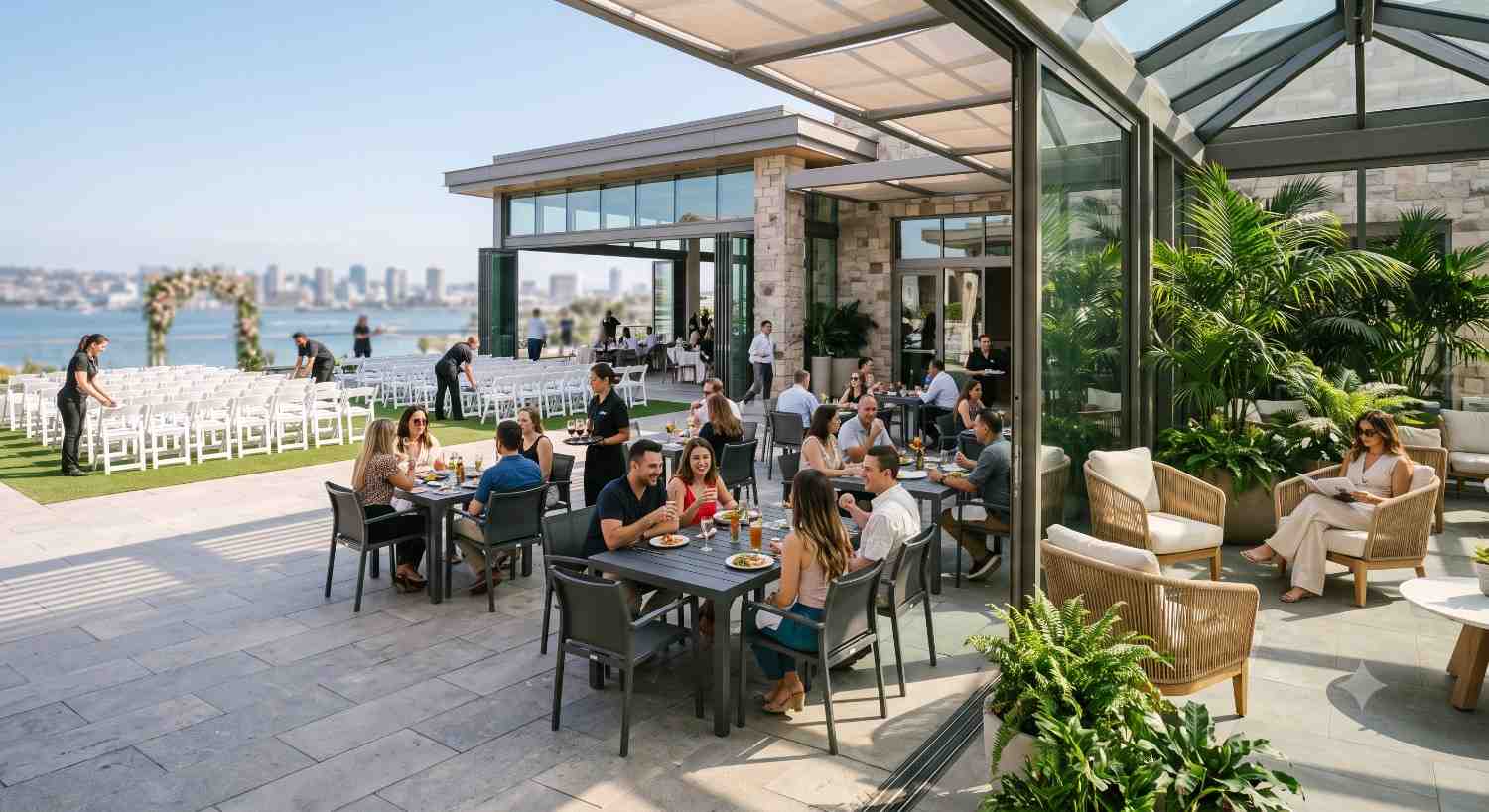
Modern commercial real estate, event operations, and hospitality management have undergone a structural transformation. Property managers, wedding venue operators, resort directors, and commercial developers no longer treat exterior spaces or transitional glass enclosures as secondary amenities. Today, alfresco dining areas, covered terraces, and sunrooms represent critical, high-margin assets that directly boost booking rates, extend seasonal capacity, and drive long-term capital ROI.
However, managing high-traffic outdoor and sunroom environments presents a distinct operational challenge. Furnishings in these zones must withstand constant exposure to intense sunlight, rapid temperature fluctuations, rain, coastal salt air, and heavy daily usage by guests. Deploying standard residential-grade furniture in commercial outdoor settings leads to structural joint degradation, faded upholstery, frame corrosion, and frequent replacements.
To safeguard operating margins and maintain premium visual appeal, industry professionals rely on contract-grade manufacturing, climate-engineered materials, and wholesale procurement strategies.
1. High-Capacity Event Sourcing: The Utility of Commercial Folding Chairs
Event venues, corporate retreat centers, outdoor wedding facilities, and pop-up dining operations require high-density seating solutions that balance durability with rapid operational flexibility. Event staff must routinely transport, setup, break down, and stack hundreds of chairs within tight event turnaround windows.
When equipping large-scale venues or rental inventories, procurement managers prioritize commercial-grade folding seating. Sourcing high-capacity
Unlike consumer-grade plastic chairs that warp, crack, or flex dangerously under weight, commercial folding chairs utilize reinforced steel or high-density resin frames engineered for high weight capacities and repeated indoor-outdoor use.
Key Performance Characteristics for Commercial Event Seating:
High Weight Tolerance & Structural Rigidity: Heavy-gauge metal underframing prevents leg splay and joint buckling during high-occupancy events.
All-Weather UV Resistance: High-grade resin or powder-coated finishes prevent yellowing, cracking, or surface chalking under direct sunlight.
Effortless Stacking & Storage: Ergonomic nesting profiles maximize floor space on storage carts and in facility warehouses, speeding up setup and teardown times.
Low-Maintenance Hygiene: Non-porous surfaces allow venue sanitation crews to pressure-wash or wipe down seating quickly between daily bookings.
2. Sunroom and Glasshouse Styling: Selecting Modern Conservatory Furnishings
Conservatories, covered glass patios, sunrooms, and indoor-outdoor atrium lounges occupy a unique environmental niche. These light-filled transitional spaces feature high ambient sunlight, direct UV exposure, and elevated humidity levels, yet demand the interior comfort of a high-end living room.
Traditional indoor upholstery fades and degrades rapidly when placed behind glass sunroom walls, while basic outdoor furniture can feel overly utilitarian or uninviting indoors. Designing these hybrid spaces requires contract-grade conservatory furniture that bridges the gap between indoor luxury and outdoor climate resistance.
By procuring specialized wholesale conservatory furniture, resort operators and residential designers can source mid-century modern lounge chairs, woven accent seating, and compact coffee tables built specifically for sunlit enclosures.
Design Principles for Glasshouse and Sunroom Environments:
UV-Stable Materials: Utilizing high-grade acrylic yarns, solution-dyed fabrics, and UV-inhibited synthetic weaves protects against sun bleaching and fabric breakdown.
Moisture & Humidity Resistance: Frames constructed from treated metals or weather-sealed hardwoods resist swelling, warping, and mold accumulation caused by humidity buildup in glass enclosures.
Organic Architectural Profiles: Sculptural, minimalist silhouettes allow natural light to pass through freely, keeping small sunrooms and plant-filled atriums feeling open and spacious.
3. Commercial Outdoor Dining: Why Aluminum Leads the Industry
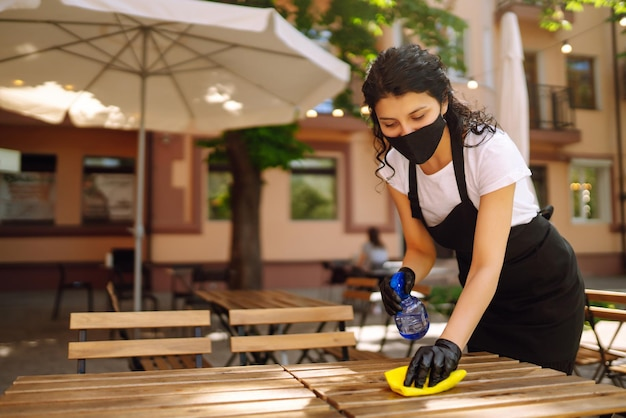
Outdoor dining spaces—such as hotel rooftop bars, resort poolside cafes, and restaurant terraces—are primary revenue generators during peak seasons. However, outdoor dining furniture faces the harshest operational conditions, requiring daily sanitation with chemical cleaners, constant movement by waitstaff, and continuous exposure to rain, wind, and sun.
Selecting heavy cast iron or untreated wood frequently results in high maintenance overhead. Iron rusts quickly and leaves stubborn stains on expensive stone pavers, while natural wood requires labor-intensive seasonal sanding and sealing.
For commercial alfresco dining spaces, specifying a commercial aluminium outdoor dining set represents the industry benchmark. Aluminum is naturally rustproof, structural, and lightweight, making it ideal for high-traffic food service environments.
Material Performance Comparison
| Performance Factor | Powder-Coated Commercial Aluminum | Wrought Iron | Natural Teak Wood |
| Corrosion Resistance | Exceptional (Naturally Rustproof) | Poor (Prone to Oxidation) | High (Natural Oils) |
| Weight & Mobility | Lightweight & Staff-Friendly | Extremely Heavy | Heavy |
| Maintenance Need | Minimal (Wipe Clean with Soap/Water) | High (Requires Sanding & Touch-Ups) | High (Requires Seasonal Oiling) |
| Paver/Floor Protection | High (Will Not Stain Concrete or Stone) | Low (Rust Runoff Stains Surfaces) | Medium |
4. Unifying Portfolio Aesthetics with Strategic Trade Sourcing
Achieving consistent design standards across diverse commercial properties—from indoor corporate lounges to outdoor resort patios—requires working alongside an experienced trade supplier. Sourcing through established trade channels like LeisureMod provides interior specifiers, purchasing agents, and facility managers with access to contract-grade modern collections, reliable inventory counts, and bulk trade pricing.
When outfitting multi-zone facilities, keep these procurement strategies in mind:
Assess Site-Specific Microclimates: Differentiate between open-air environments (requiring aluminum or resin) and covered transitional areas (suited for conservatory seating).
Standardize Finishes Across Portfolios: Choosing standardized powder-coat colors and fabric finishes streamlines long-term maintenance and allows furniture to be reallocated between properties as needed.
Verify Commercial Safety Ratings: Ensure all seating and tables meet commercial load capacities, flame-retardant standards, and anti-tipping guidelines before public installation.
Conclusion
Whether managing a high-volume event facility, styling a luxury hotel sunroom, or renovating an outdoor commercial dining patio, long-term operational success depends on material durability. By prioritizing commercial folding systems, UV-resistant conservatory pieces, and rustproof outdoor aluminum dining sets, facility operators protect their capital investments, lower ongoing maintenance costs, and deliver superior guest experiences.