How to Choose Bottom Wear That Works With Multiple Kurtas
-
- Published Updated
- 65 views
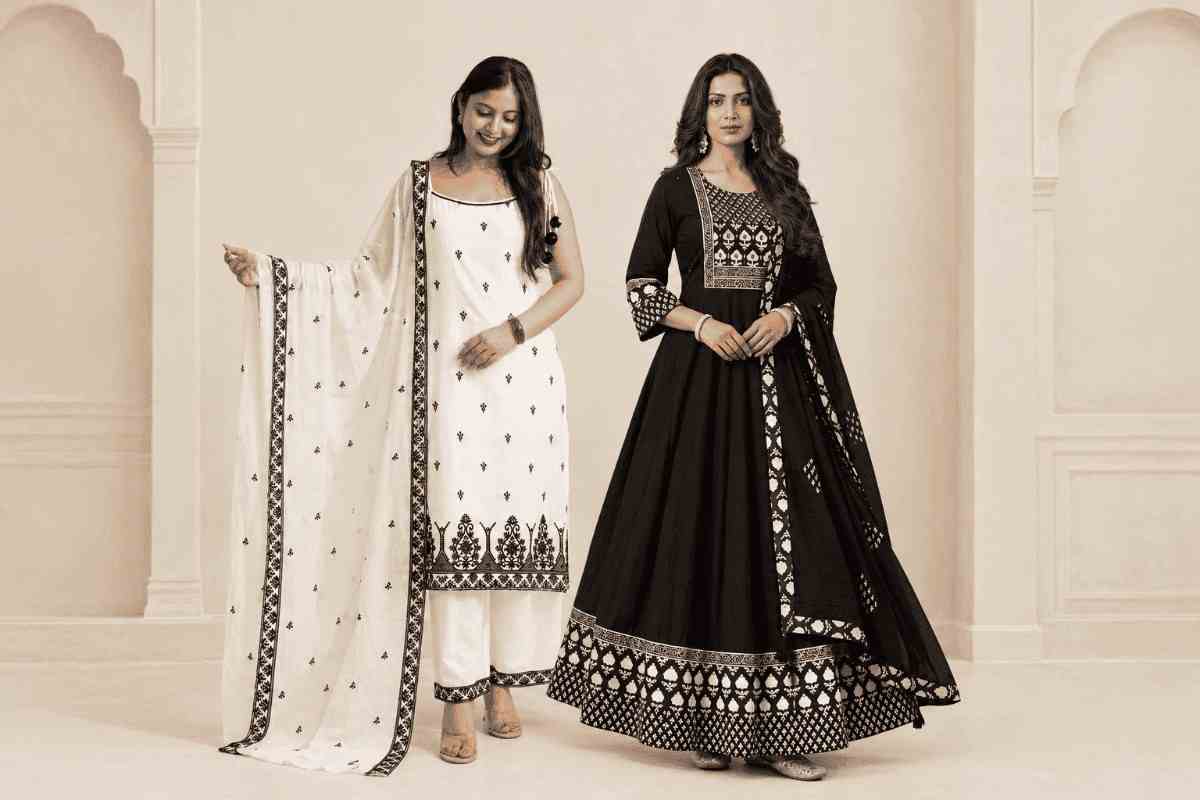
Choosing the right bottom wear can make your kurta wardrobe more versatile. Instead of buying separate trousers for every kurta, invest in a few comfortable styles that complement different lengths, prints, fabrics, and occasions. Straight pants, palazzos, Afghani pants, and dhoti pants can help you create multiple outfits with fewer pieces.
Which Bottom Wear Works Best With Different Kurtas?
Different bottom wear styles create different silhouettes and suit various kurta designs.
Straight pants: Ideal for straight-cut, A-line, and knee-length kurtas, making them suitable for everyday wear and office outfits.
Palazzo pants: Their wide-leg design complements fitted and short kurtas while providing comfortable movement.
Cigarette pants: Their slim silhouette pairs well with longer kurtas and structured festive outfits.
Afghani pants: These gathered bottoms work well with short kurtas and kurtis for a relaxed ethnic look.
Dhoti pants: Their draped appearance adds volume and character to shorter kurtas and asymmetrical designs.
Start with one or two versatile styles before adding distinctive options to your wardrobe.
How Do You Match Bottom Wear With Kurta Length?
Kurta length plays an important role in creating balanced outfits.
Short kurtas: Pair them with straight pants, palazzos, Afghani pants, or dhoti pants. A printed short kurta with solid palazzos creates a comfortable daytime outfit.
Knee-length kurtas: Straight pants offer a clean, practical appearance, while palazzos introduce movement and a relaxed silhouette. Choose breathable fabrics for everyday dressing.
Long kurtas: Straight pants and cigarette pants balance longer silhouettes without adding excessive volume. Palazzos can also work when their drape complements the kurta.
Always assess the complete outfit to ensure the proportions feel comfortable and balanced.
Which Colours Make Bottom Wear Easier to Reuse?
Neutral colours make mix-and-match styling easier. Black, cream, beige, white, navy, and earthy shades can complement numerous kurta colours and prints.
Black straight pants work with many colourful kurtas, while cream palazzos pair nicely with pastels and selected darker prints. Navy bottoms can complement blue, white, and contrasting patterns.
Consider your existing wardrobe before purchasing. If you frequently wear printed kurtas, prioritise solid bottoms. If your kurtas are mostly neutral, coloured bottoms can introduce variety.
How Should You Choose Bottom Wear Fabric?
Fabric influences comfort, movement, and appearance. Cotton bottoms are practical for everyday wear, particularly during warm Indian weather. Lightweight fabrics also suit casual outfits when they provide adequate coverage and maintain their shape.
For festive occasions, consider structured or fluid fabrics depending on your kurta design. A heavily embellished kurta often works best with simple bottoms, while a plain kurta allows more distinctive silhouettes.
Check the garment's care instructions, composition, and lining before purchasing.
When Should You Choose Palazzos, Afghani Pants, or Dhoti Pants?
Palazzo pants are versatile options for casual outings, family gatherings, and selected celebrations. A plazo set for women offers a coordinated appearance, while separate palazzos provide more styling flexibility.
Afghani pants feature a relaxed, gathered silhouette. Pair them with short kurtas or simple kurtis to maintain balanced proportions. Check the waistband and length for comfortable movement.
Dhoti pants create a distinctive draped look. A dhoti set for women offers a coordinated ethnic outfit, while separate bottoms allow you to experiment with different colours and prints.
Similarly, a Sharara Set for Women provides a festive option featuring a kurta or top with flared bottoms. Choose coordinated sets when you prefer a complete look, or separate pieces when versatility matters more.
What Should You Check Before Buying Bottom Wear?
Before purchasing, evaluate these essential factors:
Fit: Check the waistband, hips, rise, and leg length.
Comfort: Ensure you can sit, walk, and climb stairs easily.
Colour: Identify at least three kurtas that match the bottom.
Fabric care: Review washing and drying instructions.
Opacity: Check whether the fabric offers suitable coverage.
Occasion: Consider whether you need everyday, office, or festive wear.
The Jaipur Studio offers women's ethnic wear options worth exploring when building versatile kurta combinations. Compare garment measurements, fabric details, and styling possibilities before deciding.
Frequently Asked Questions
Q. Which bottom wear goes with most kurtas?
Straight pants are a practical choice because they complement various straight-cut, A-line, and knee-length kurtas.
Q. Can I wear palazzo pants with a long kurta?
Yes. Choose palazzos whose proportions and fabric drape complement the kurta.
Q. Are Afghani pants suitable for everyday wear?
Yes. Comfortable Afghani pants paired with short kurtas create relaxed everyday outfits.
Q. What is the difference between dhoti and sharara sets?
Dhoti bottoms feature gathered draping, whereas sharara bottoms generally have a flared silhouette.
Q. Which bottom wear colours are easiest to reuse?
Black, cream, beige, navy, and earthy shades are useful starting points.
Final Thoughts
Choosing versatile bottom wear comes down to comfort, fit, and colour coordination. Straight pants provide a reliable foundation, palazzos offer flexibility, and Afghani or dhoti pants introduce variety. Select pieces that complement your existing kurtas to create more outfits without purchasing a separate bottom for every look.