Sensing the Future: How Smart Devices Are Advancing Building Automation
-

- Published Updated
- 3,375 views
Buildings are becoming smarter as technology changes the way people manage everyday spaces. Traditional building systems often operated independently. Today, connected devices can communicate, collect information, and respond to changing conditions.
Smart sensors, connected controls, automated lighting, climate systems, and occupancy devices are creating more responsive environments. Together, these technologies are helping organizations manage buildings more efficiently.
As a result, building automation is moving beyond simple timers and programmed controls. Modern systems can respond to real-time information and changing user requirements.
What Is Building Automation?
Building automation refers to technology used to monitor and control different building systems. These systems can include lighting, heating, ventilation, air conditioning, security, and energy management.
Traditionally, building controls required manual adjustments or predefined schedules. However, modern automation systems can use data from connected devices to make more responsive decisions.
For example, an occupancy sensor can detect whether a room is being used. The system can then adjust lighting or temperature according to actual occupancy.
This approach can make building operations more flexible while reducing unnecessary manual intervention.
The Growing Role of Smart Sensors
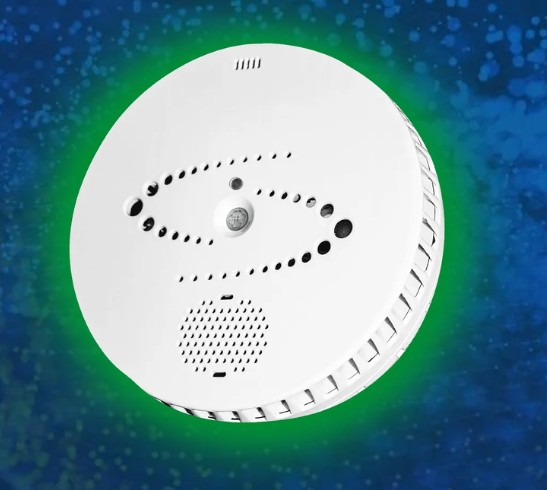
Smart sensors are at the heart of modern building automation. They collect information about conditions within different areas of a building.
Depending on the application, sensors can monitor movement, temperature, humidity, light levels, air quality, and occupancy.
Furthermore, connected sensors can continuously send information to a central management platform. This allows facility teams to understand what is happening across different areas.
For instance, occupancy data can show which meeting rooms receive the most use. Facility managers can then use these insights when planning workplace layouts.
Automated Lighting for Smarter Spaces
Lighting is another area where automation is making a noticeable difference. Conventional lighting systems often depend on manual switches or fixed schedules.
Smart lighting systems can respond to occupancy and natural light levels. Lights can automatically turn on when people enter a space.
Similarly, they can reduce lighting when an area becomes empty. This creates a more responsive environment while potentially reducing unnecessary energy consumption.
Moreover, smart lighting can support different workplace requirements. Offices can use different lighting settings for meetings, presentations, focused work, or shared spaces.
Smarter Heating and Cooling
Heating, ventilation, and air conditioning systems also benefit from connected devices. Temperature sensors can provide real-time information about different areas.
Instead of maintaining identical conditions throughout an entire building, automated systems can respond to specific requirements.
For example, an empty conference room may require less cooling than an occupied workspace. The system can adjust settings according to available data.
Consequently, building operators can gain greater control over environmental conditions.
Occupancy Detection and Space Management
Modern workplaces increasingly use shared spaces. Therefore, understanding how employees use different areas has become important.
Occupancy sensors can provide information about room and workspace usage. This data can support better decisions about space allocation.
For example, consistently underused areas may indicate opportunities for redesign. Meanwhile, frequently occupied spaces may require additional resources.
When combined with MEETING ROOM & DESK BOOKING systems, occupancy information can create a more organized workplace.
Employees can reserve spaces while facility teams gain greater visibility into actual usage patterns.
Connected Devices Improve Building Visibility
Smart devices can provide facility managers with information that was previously difficult to collect. Instead of checking individual systems manually, teams can access centralized information.
A connected building platform can bring information from multiple systems together. This can include lighting, HVAC, security, occupancy, and energy data.
As a result, facility managers can identify unusual patterns more quickly. They can also make decisions using current information instead of relying only on historical assumptions.
Predictive Maintenance Becomes Possible
Building automation can also support maintenance planning. Connected equipment can provide information about performance and operating conditions.
This information can help identify potential problems before equipment stops working completely.
For example, unusual temperature readings or operating patterns could indicate an emerging equipment issue. Maintenance teams can investigate the problem before it becomes more disruptive.
Therefore, smart monitoring can support a more proactive approach to building maintenance.
Improving Energy Management
Energy efficiency has become an important consideration for modern buildings. Smart devices can help organizations understand where and when energy is being consumed.
Sensors can identify occupancy patterns, while automated controls can adjust systems accordingly.
For instance, lighting and climate controls can respond when spaces become vacant. Similarly, building managers can analyze energy data to identify inefficient operating patterns.
This creates opportunities to improve building performance without relying entirely on manual monitoring.
Better Indoor Environments
Building automation is not only about operational efficiency. It can also contribute to better indoor environments.
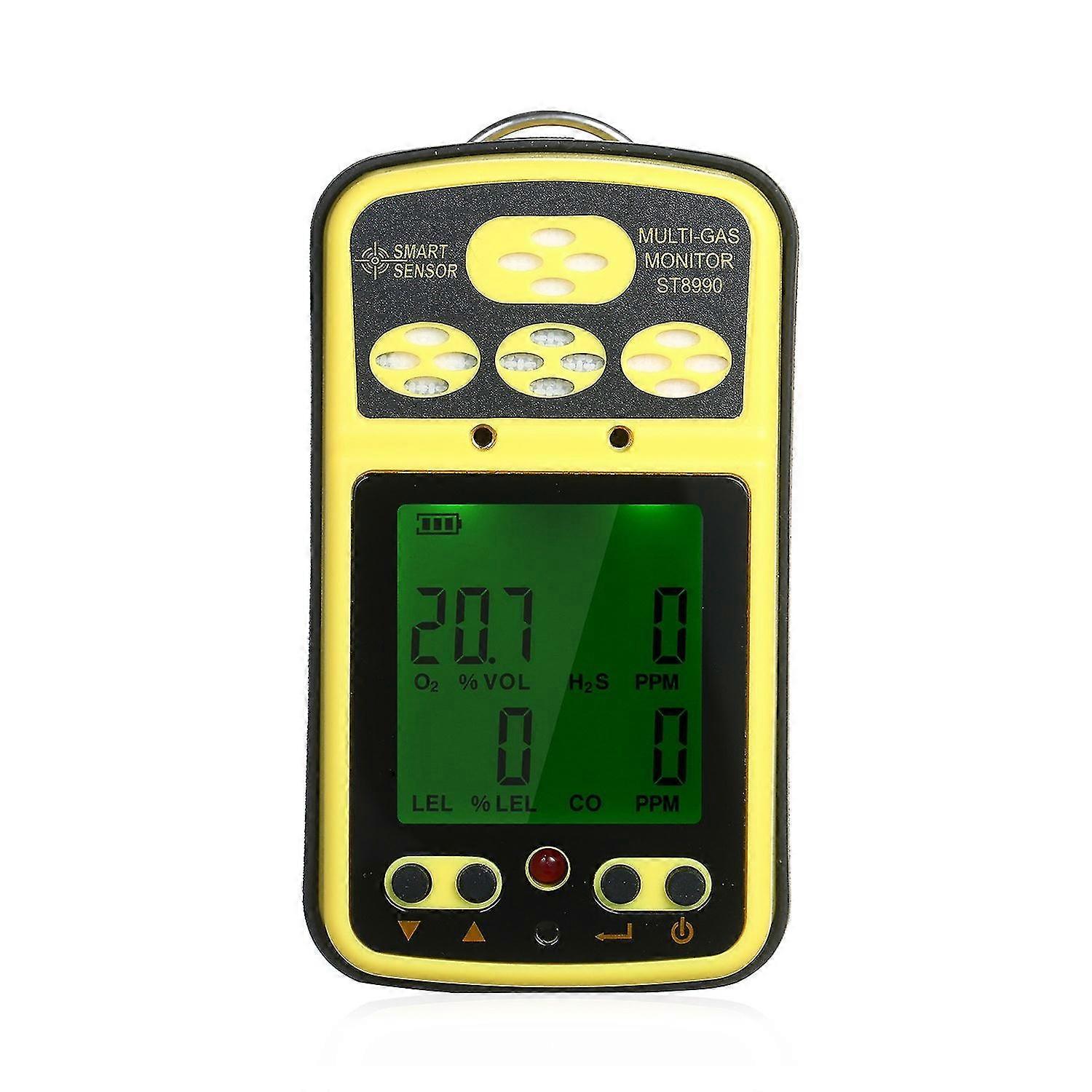
Air quality sensors can monitor conditions such as carbon dioxide levels and other environmental factors. Building systems can use this information to adjust ventilation when necessary.
Similarly, temperature and humidity sensors can help maintain comfortable conditions.
As a result, smart building technologies can support environments that respond more effectively to changing conditions.
The Future of Smart Building Automation
Building automation will continue evolving as sensors and connected technologies become more capable. Artificial intelligence and advanced analytics may further improve how systems interpret building data.
Future buildings could respond more intelligently to occupancy, environmental conditions, energy demand, and equipment performance.
However, successful automation depends on more than installing smart devices. Organizations also need reliable connectivity, suitable software, cybersecurity measures, and effective system integration.
Ultimately, smart devices are changing buildings from passive structures into responsive environments. By collecting information and connecting different systems, they are creating new possibilities for efficient, flexible, and intelligent building management.