Seamless Scene Changes Start with Advanced Camera Switching Technology
-

- Published Updated
- 7,812 views
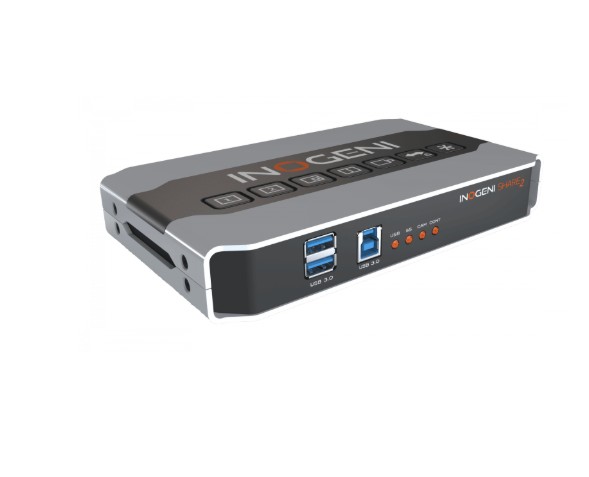
Video content has become one of the most powerful communication tools today. Businesses, schools, content creators, and broadcasters all depend on high-quality video production to connect with audiences. Whether it is a live event, online class, webinar, sports match, or live stream, viewers expect smooth and professional visuals. This is where advanced camera switching technology plays an important role.
Camera switching systems help users move between multiple camera angles without delays or interruptions. Instead of showing one fixed view, producers can instantly switch scenes to create a more engaging experience. A live presentation suddenly feels dynamic, just like a professional television show.
Modern audiences have short attention spans. Therefore, boring and static videos quickly lose viewers. Advanced camera switching technology solves this problem by creating smooth scene changes and better storytelling. It helps every production look more polished, organized, and professional.
Know More: https://www.abcomafrica.com/brands/inogeni
Understanding Camera Switching Technology
What Is a Camera Switcher
A camera switcher is a device or software system that controls multiple video sources. It allows users to switch between cameras, presentations, graphics, and media during live productions. This technology is commonly used in television studios, event productions, conference rooms, and live streaming setups.
Think of a camera switcher as the director of a video production. It decides which camera viewers see at any moment. For example, during a live interview, the switcher may move between the host camera, guest camera, and wide-angle room view. These smooth transitions make the production more interesting and professional.
Modern switchers support many types of video sources. Users can connect cameras, laptops, media players, and graphics systems together. This flexibility allows teams to create dynamic presentations without complicated setups.
Today’s advanced systems also support HD and 4K video quality. As a result, productions look sharper and more detailed than ever before. Businesses and creators now understand that good video quality directly affects audience engagement and brand image.
How Camera Switching Systems Work
Camera switching systems work by receiving signals from multiple video sources. The switcher processes these signals and displays the selected source on screens, projectors, streaming platforms, or broadcast systems.
Most switchers include buttons, touchscreens, or software controls for easy operation. Operators can instantly move from one camera angle to another during live events. Some advanced systems also support automatic switching features.
Audio integration is another important part of camera switching technology. Modern switchers can control both sound and video together. This helps keep presentations synchronized and professional.
Many systems now include visual effects and transition options. Users can add fade effects, split screens, picture-in-picture displays, and animated scene changes. These features improve storytelling and make productions feel more modern.
Cloud connectivity and remote operation are also becoming common. Teams can now manage productions from different locations using internet-based controls. This flexibility is especially useful for hybrid events and online broadcasting.
Why Advanced Camera Switching Matters Today
Growing Demand for Live Content
Live video content continues to grow across every industry. Businesses host webinars, schools conduct online classes, gamers stream content, and organizations broadcast virtual events daily. As competition increases, viewers expect smoother and more professional experiences.
A single-camera setup often feels dull and repetitive. Advanced camera switching adds movement and energy to productions. Different camera angles help maintain audience attention and improve storytelling.
For example, sports broadcasts rely heavily on multiple camera views. Imagine watching a football match from only one angle. The experience would feel limited and less exciting. Camera switching creates action, emotion, and excitement by showing the best view at the right moment.
Corporate events also benefit from this technology. Conferences, product launches, and training sessions become more engaging when presenters, audience reactions, and presentation slides appear seamlessly on screen.
Better Viewer Experience
Viewers judge video quality very quickly. Poor transitions, delayed camera changes, or awkward scene cuts can make content look unprofessional. Advanced camera switching technology solves these problems by delivering smooth and instant scene transitions.
Professional scene changes improve the overall viewing experience. Audiences stay focused because visuals continue flowing naturally. This is especially important during live streams and online presentations where distractions can easily reduce engagement.
Good camera switching also helps create emotional connections. Close-up shots capture facial expressions and reactions, while wide shots show the environment and audience energy. These changes keep viewers emotionally involved throughout the production.
Many content creators now use advanced switching systems because they help channels grow faster. Better production quality often leads to higher viewer retention and stronger audience trust.
Key features Of Modern Camera switcher
Multi-Camera Support
Modern switchers support multiple camera inputs at the same time. Users can connect two, four, eight, or even more cameras depending on production needs.
This feature is useful for interviews, conferences, concerts, sports events, and live broadcasts. Different camera angles create more dynamic and professional content.
Real-Time Scene Switching
Real-time switching allows operators to move between scenes instantly. This feature is important during live productions because there is no time for delays or editing mistakes.
Fast scene transitions improve viewer engagement and help productions run smoothly. Audiences enjoy a seamless viewing experience without interruptions.
Audio and Video Integration
Modern systems combine audio and video controls in one platform. This helps operators manage sound levels, microphones, music, and visuals together.
Integrated controls reduce technical complexity and improve production efficiency. Teams can focus more on content instead of troubleshooting multiple devices.
Remote and Wireless Control
Many advanced switchers now support wireless and remote operation. Users can control camera changes through mobile apps, tablets, or cloud platforms.
This feature is especially valuable for hybrid events and remote productions. Teams can manage events from different locations while maintaining professional quality.
Benefit of Advanced Camera Switching Technology
Smooth and Professional Production
Advanced switching technology helps productions look polished and organized. Smooth transitions create a television-style experience that feels modern and engaging.
Professional visuals also improve brand image. Businesses using high-quality video production often appear more trustworthy and innovative.
Control Faster Workflow for Teams
Switching systems simplify production workflows. Teams can control multiple cameras, graphics, and media sources from one platform.
This reduces setup time and improves coordination during events. Operators can respond quickly to live situations without confusion or delays.
Better Audience Engagement
People naturally respond better to dynamic visuals. Multiple camera angles and smooth transitions keep viewers interested longer.
Engaged audiences are more likely to stay connected, participate in discussions, and remember important messages. This is why advanced switching systems are becoming essential for communication and marketing.
Best Industries Using Camera Switching Systems
Broadcasting and Television
Television networks rely heavily on camera switching technology. News channels, sports broadcasts, and entertainment shows use multiple cameras to create engaging productions.
Without switching systems, modern broadcasting would feel static and outdated.
Corporate Events and Meetings
Businesses use camera switchers for conferences, presentations, and hybrid meetings. These systems improve communication and create more professional event experiences.
Education and Online Learning
Schools and universities now depend on video technology for remote learning. Camera switchers help teachers create interactive and engaging online lessons.
Control Live Streaming and Gaming
Gaming creators and live streamers use advanced switching systems to improve production quality. Smooth transitions and multiple camera views help channels appear more professional.
How to Choose the Right Camera Switching Solution
Number of Camera Inputs
Users should first decide how many cameras they need. Small setups may only require two or four inputs, while large productions may need more.
Video Quality and Resolution
Modern productions often require HD or 4K video support. Choosing a switcher with high-resolution capabilities helps future-proof the setup.
Ease of Use and Connectivity
A user-friendly interface makes operation easier during live events. Connectivity options such as HDMI, SDI, USB, and wireless support are also important.
Future of Camera Switching Technology
AI-Powered Video Production
Artificial intelligence is beginning to change video production. AI-powered systems can automatically switch camera angles based on speaker movement and audience reactions.
This technology reduces manual work and improves production efficiency.
Cloud- Based Switching System
Cloud technology allows teams to manage productions remotely. This trend is growing rapidly because businesses and creators now work from multiple locations.
Cloud-based switching systems also support easier collaboration and faster content delivery.
Conclusion
Advanced camera switching technology is transforming the way people create and experience video content. Smooth scene transitions, multiple camera angles, and professional visuals help productions stand out in today’s competitive digital world.
Businesses use this technology to improve presentations, educators create better learning experiences, and content creators build stronger audience engagement. From live streaming to broadcasting, camera switching systems make every production feel more dynamic and professional.
As video communication continues to grow, advanced camera switching solutions will remain essential for creating seamless and engaging visual experiences.