Canada Immigration Guide 2026: PR Pathways, Eligibility & Key Updates Explained
-

- April 16th, 2026
- 5,833 views

FREE SEO Topical Map Generator: Find Your Next Content Ideas
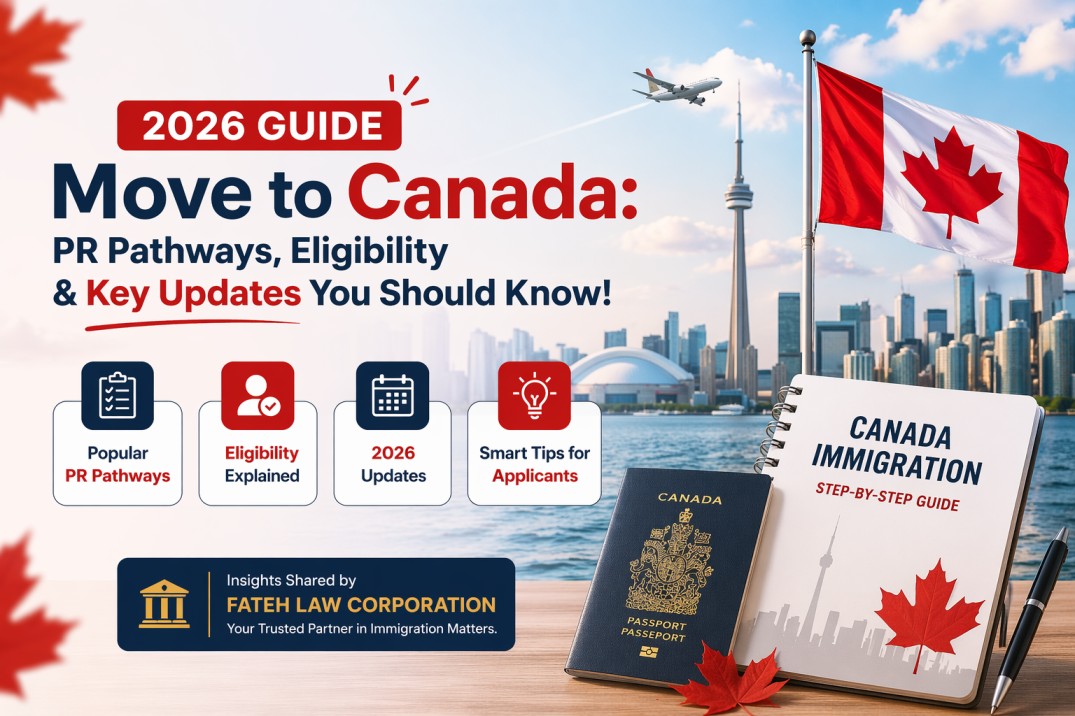
Canada continues to be one of the most sought-after destinations for individuals planning to build a stable future abroad. With its structured immigration system, economic opportunities, and high standard of living, the country attracts thousands of applicants every year. However, with frequent policy updates and multiple pathways available, understanding the Canada immigration process in 2026 is more important than ever.
This guide provides a clear and structured overview of Canada PR pathways, eligibility criteria, and recent updates, helping applicants make informed decisions based on current trends.
Why Canada Remains a Top Choice for Immigration
Canada’s immigration system is designed to support economic growth while welcoming skilled professionals, students, and families. Some key factors that make Canada a preferred destination include:
- A stable and growing economy with demand for skilled workers
- Access to quality healthcare and education
- Transparent and merit-based immigration programs
- Opportunities to transition from temporary status to permanent residency
For applicants from India, Canada offers multiple routes depending on their profile, qualifications, and long-term goals.
Major Canada PR Pathways in 2026
1. Express Entry System
The Express Entry system remains the primary pathway for skilled workers applying for permanent residency. It is an online system that manages applications under three main programs:
- Federal Skilled Worker Program (FSWP)
- Canadian Experience Class (CEC)
- Federal Skilled Trades Program (FSTP)
Candidates are ranked using the Comprehensive Ranking System (CRS), which assigns points based on:
- Age
- Educational qualifications
- Work experience
- Language proficiency (IELTS or CELPIP)
- Adaptability factors
Higher CRS scores improve the likelihood of receiving an Invitation to Apply (ITA). In recent years, Express Entry has also introduced category-based draws, making it important for applicants to align their profiles with targeted occupations.
2. Provincial Nominee Program (PNP)
The Provincial Nominee Program (PNP) allows Canadian provinces to select candidates based on their specific labor market requirements. Each province operates its own streams and eligibility criteria.
Popular provinces include:
- Ontario
- British Columbia
- Alberta
- Saskatchewan
A provincial nomination can significantly boost an applicant’s CRS score, increasing the chances of selection through Express Entry or direct provincial streams.
3. Study to PR Pathway
The study route has become a widely used pathway for long-term immigration. It typically involves:
- Enrolling in a recognized educational institution in Canada
- Completing a program of study
- Obtaining a Post-Graduation Work Permit (PGWP)
- Gaining Canadian work experience
- Applying for PR through eligible programs
This pathway is often chosen by applicants who want to build Canadian credentials before applying for permanent residency.
4. Family Sponsorship
Canada also supports family reunification through its family sponsorship programs. Eligible Canadian citizens or permanent residents can sponsor:
- Spouses or common-law partners
- Dependent children
- Parents and grandparents (subject to program limits)
This pathway allows families to reunite while following structured immigration guidelines.
Canada PR Eligibility Criteria (2026)
While eligibility requirements vary depending on the program, most applicants are assessed based on the following factors:
- Age: Applicants between 18 and 35 generally receive higher points
- Education: Foreign degrees must be assessed through an Educational Credential Assessment (ECA)
- Work Experience: Relevant experience in skilled occupations under the NOC system
- Language Proficiency: IELTS or CELPIP scores are required
- Proof of Funds: Applicants must demonstrate financial stability
It is important to note that meeting basic eligibility does not guarantee selection. Applicants must remain competitive within the pool of candidates.
Key Canada Immigration Updates in 2026
Canada’s immigration policies continue to evolve in response to economic needs and labor shortages. Some key developments include:
- Category-based Express Entry draws focusing on sectors like healthcare, STEM, and trades
- Increased emphasis on French language proficiency for certain programs
- Greater importance of Canadian work experience
- Adjustments in CRS cut-off scores depending on demand
These changes highlight the need for applicants to stay updated and plan their applications strategically.
Common Mistakes to Avoid
Many applicants face challenges due to avoidable errors. Some common mistakes include:
- Submitting incomplete or inconsistent documentation
- Selecting an incorrect NOC code
- Not improving low language scores
- Relying on a single immigration pathway
- Lack of clarity in long-term immigration planning
Avoiding these issues can improve both the efficiency and outcome of your application.
Importance of Strategic Planning
Immigrating to Canada is not just about meeting eligibility criteria—it requires careful planning and understanding of available options. Applicants should:
- Evaluate multiple pathways instead of relying on one
- Monitor CRS trends and draw patterns
- Stay informed about policy updates
- Prepare documentation in advance
A well-planned approach can make a significant difference in the overall process.
Role of Professional Guidance
Given the complexity of Canada’s immigration system, many applicants seek structured guidance to understand their options and avoid errors.
Fateh Law Corporation works with individuals navigating different immigration pathways and provides clarity on application strategy, documentation requirements, and compliance with current immigration policies. Access to informed guidance can help applicants approach the process with greater confidence and preparation.
Final Thoughts
The Canada immigration process in 2026 offers multiple opportunities for individuals looking to settle in the country. Whether you are applying through Express Entry, exploring provincial nomination programs, or considering the study pathway, choosing the right route is essential.
Success depends on:
- Understanding the latest updates
- Aligning your profile with program requirements
- Preparing a strong and complete application
With proper planning and awareness, applicants can navigate the process more effectively and move closer to their goal of living in Canada.