Everyday Effortless: A Practical Guide to Casual Clothing for Women
-

- Published Updated
- 1,562 views
Casual clothing for women provides a foundation for everyday comfort and style, balancing practical fabrics, reliable fits, and versatile pieces that work from errands to relaxed social events. This guide outlines wardrobe essentials, styling approaches, fabric considerations, and simple maintenance tips to make everyday dressing easier and more sustainable.
- Focus on a few well-fitting basics: neutral tops, a reliable pair of jeans, tailored trousers, and a casual jacket.
- Choose fabrics that match intended wear—cotton and linen for breathability; blends for durability.
- Build outfits using layers, proportion, and a limited color palette to maximize combinations.
- Maintain garments by following care labels and choosing repair-friendly pieces to extend wear.
Casual clothing for women: key pieces and styling
Wardrobe essentials
A functional casual wardrobe begins with versatile essentials that can be mixed and matched. Consider the following staples: a well-fitting pair of jeans in a dark or medium wash; a plain tee or two in neutral colors; a lightweight blouse for slightly dressier occasions; a casual blazer or denim jacket for layering; a pair of comfortable trousers or chinos; and a simple dress that can be dressed up or down. Include a neutral sweater for cooler weather and at least one outer layer suitable for local climate conditions.
Fabrics and fit
Fabric choice affects comfort, durability, and care. Natural fibers such as cotton, linen, and wool offer breathability and comfort. Blended fabrics that combine natural and synthetic fibers can improve stretch and resilience. Fit is equally important: clothes that follow body shape without being restrictive will feel and look better. Pay attention to shoulder seams, waist placement, and sleeve length when assessing fit. Alterations by a tailor can significantly improve the appearance of off-the-rack garments.
Styling and layering
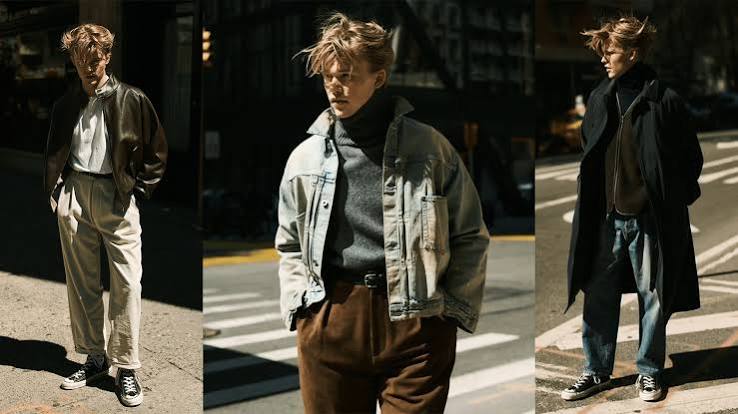
Layering extends outfit possibilities and adapts looks to changing temperatures. Combine a base layer (T-shirt or camisole), a mid-layer (blouse or sweater), and an outer layer (jacket or coat). Use proportion to balance silhouettes—pair a loose top with a slim bottom or a fitted top with wider-leg trousers. A limited color palette anchored by neutrals (black, navy, gray, beige) makes assembling outfits easier; add one or two accent colors for interest.
Footwear and accessories
Shoes define the tone of a casual outfit. Comfortable sneakers or loafers suit everyday wear; ankle boots or simple flats can elevate a casual look. Accessories such as a belt, a minimalist watch, or a scarf help personalize outfits without overwhelming them. For practicality, choose bags with a functional layout that fits daily essentials.
Building a capsule casual wardrobe
Selecting pieces
A capsule wardrobe focuses on quality over quantity. Start by choosing 8–12 core items that coordinate well together and add 4–6 rotating pieces per season. Prioritize multi-use garments—items that work for mornings at home, quick errands, and casual meetings. Assess gaps by photographing current outfits and noting missing combinations.
Color, pattern, and texture
Limit a base palette to two or three neutrals and add one or two accent tones. Small-scale patterns (stripes, subtle checks) integrate easily into a capsule because they pair well with solids. Textures like knit, denim, and lightweight suede add depth without relying on bold colors.
Care, sustainability, and shopping smarter
Garment care and longevity
Follow care labels to extend the life of garments. Washing less frequently, using cold water for many fabrics, and air-drying when possible reduces wear. Learn basic repairs—replacing buttons, fixing hems, and patching small tears—to make clothes last longer. For guidance on labeling and textile information, consult consumer protection resources such as the Federal Trade Commission's textile labeling information (FTC).
Sustainable choices
When sustainability matters, consider durable fabrics, timeless designs, and secondhand options. Repair and resale extend the useful life of clothing. Look for certifications and transparent supply-chain information when evaluating new purchases.
Practical shopping and budget tips
Choosing quality on a budget
Assess construction details—seam finishes, stitch density, and button reinforcement—when evaluating value. Prioritize spending more on items used frequently (a reliable coat or a well-made pair of shoes) and save on trend-driven pieces. Seasonal sales, outlet stores, and reputable secondhand platforms can provide access to higher-quality garments at lower prices.
Trying before buying
Try garments with shoes and accessories similar to those already owned to gauge compatibility. Check movement and comfort by sitting and walking while in fitting rooms. If online shopping, consult size charts and customer reviews and retain packaging until fit and quality are confirmed.
Frequently asked questions
What are the must-have items for casual clothing for women?
Must-have items typically include a comfortable pair of jeans, several basic T-shirts, a neutral blouse, a lightweight jacket, a versatile dress, comfortable shoes (sneakers or flats), and a sweater. These pieces form the basis for many casual outfits and can be mixed to suit varying occasions.
How can fit be improved without spending a lot?
Minor tailoring—shortening sleeves, taking in side seams, or adjusting hemlines—can significantly improve fit for a modest cost. Choosing garments with simple construction and stable fabrics makes alterations easier and less expensive.
Which fabrics are best for everyday wear?
Everyday wear benefits from breathable fabrics like cotton and linen, medium-weight knits for stretch and comfort, and cotton blends that combine softness with durability. Consider the climate and activity level when selecting fabric weight and composition.
How should casual clothes be cared for to last longer?
Read and follow care labels, wash selectively, use gentle cycles and cooler water when appropriate, and air-dry to reduce fabric stress. Regularly mend minor damage and store garments in appropriate conditions to prevent unnecessary wear.