When Should You Get Cataract Surgery? Signs & Treatment
-

- March 25th, 2026
- 7,698 views
Cataracts are one of the most common causes of vision problems, especially among older adults. As people age, the natural lens of the eye can gradually become cloudy, affecting vision and making everyday tasks difficult. While cataracts develop slowly, ignoring the symptoms may lead to severe vision loss over time. Many people experiencing early vision problems often consult specialists at an eye hospital in Jaipur or other eye care centers to get proper diagnosis and treatment.
Understanding when cataract surgery becomes necessary is important for maintaining clear vision and quality of life. In this article, we will discuss the early signs of cataracts, when surgery is recommended, available treatment options, and how to take care of your eyes.
Understanding Cataracts
What Is a Cataract?
A cataract is a condition in which the normally clear lens of the eye becomes cloudy. This cloudiness prevents light from passing properly through the lens, resulting in blurred or dim vision.
The lens works like a camera lens, focusing light onto the retina so you can see clearly. When cataracts form, the lens loses its transparency, making objects appear foggy or less sharp.
Cataracts can develop in one or both eyes and usually progress slowly over time.
Why Cataracts Develop With Age
Age-related changes in the eye are the most common cause of cataracts. As we grow older, proteins in the eye’s lens begin to break down and clump together, causing cloudiness.
Other factors that may increase the risk include:
Diabetes
Smoking
Excessive exposure to sunlight
Eye injuries
Long-term use of steroid medications
Family history of cataracts
Although cataracts are commonly associated with aging, they can also develop earlier due to lifestyle or medical conditions.
The Growing Burden of Cataracts Worldwide
Cataract Statistics and Prevalence
Cataracts are one of the leading causes of vision impairment worldwide. According to global health reports, millions of people experience reduced vision due to cataracts every year.
In countries with aging populations, the number of cataract cases continues to rise. However, advancements in medical technology have made cataract surgery one of the safest and most successful procedures in modern medicine.
Why Cataracts Are a Leading Cause of Blindness
Cataracts remain a major cause of blindness because many people delay treatment. In some cases, patients assume that vision changes are a normal part of aging and avoid visiting an eye specialist.
Without treatment, cataracts gradually worsen, leading to severe vision impairment. The good news is that cataract surgery can restore vision effectively in most patients.
Early Signs of Cataracts You Should Never Ignore
Recognizing the early symptoms of cataracts can help you seek treatment before the condition significantly affects your vision.
Blurry or Cloudy Vision
One of the most common symptoms is blurry or cloudy vision. Many people describe it as looking through a foggy window.
Reading, watching television, or recognizing faces may become difficult.
Difficulty Seeing at Night
Cataracts can reduce night vision. Driving at night may become challenging due to dim or unclear vision.
This symptom is particularly dangerous because it increases the risk of accidents while driving.
Sensitivity to Light and Glare
People with cataracts often experience increased sensitivity to bright lights or glare from headlights and sunlight.
You may notice halos around lights, especially at night.
Frequent Changes in Eyeglass Prescription
If you find yourself needing frequent changes in your glasses or contact lens prescription, cataracts could be the reason.
Vision correction may only provide temporary improvement as the cataract continues to develop.
When Is the Right Time for Cataract Surgery?
Many people wonder whether they should wait or proceed with surgery. The decision depends mainly on how much the cataract is affecting daily activities.
When Cataracts Affect Daily Life
Cataract surgery is usually recommended when vision problems begin to interfere with daily tasks such as:
Reading
Driving
Watching television
Working on a computer
Recognizing faces
If these activities become difficult despite wearing glasses, surgery may be necessary.
Vision Test Results That Indicate Surgery
Eye specialists perform detailed eye examinations to evaluate cataracts. These tests measure visual acuity, lens clarity, and overall eye health.
If the tests confirm that cataracts are significantly reducing vision, doctors may recommend surgery as the most effective treatment.
Types of Cataract Surgery
Modern cataract surgery techniques are highly advanced and provide excellent visual outcomes.
Phacoemulsification (Modern Cataract Surgery)
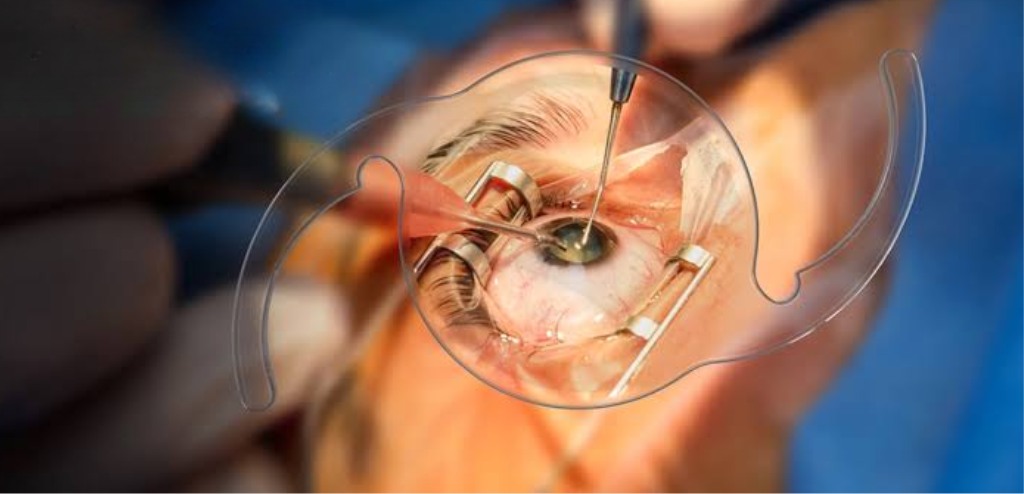
Phacoemulsification is the most commonly performed cataract surgery today. In this procedure, a small incision is made in the eye, and ultrasound waves are used to break the cloudy lens into tiny pieces.
The fragments are removed, and an artificial intraocular lens (IOL) is inserted to restore clear vision.
This method is minimally invasive and allows faster recovery.
Extracapsular Cataract Surgery
Extracapsular cataract surgery is typically used for advanced cataracts. In this technique, the surgeon removes the cloudy lens in one piece through a slightly larger incision.
An artificial lens is then placed in the eye to replace the natural lens.
Although effective, this method usually requires a longer recovery period compared to modern techniques.
Cataract Surgery Procedure Explained
What Happens Before Surgery
Before cataract surgery, your doctor will perform several tests to measure the size and shape of your eye. These measurements help determine the correct power of the artificial lens.
Patients are usually advised to stop certain medications and follow pre-surgery instructions provided by the doctor.
What Happens During Surgery
Cataract surgery is typically performed under local anesthesia and usually takes about 15–30 minutes.
During the procedure:
A small incision is made in the eye.
The cloudy lens is removed.
A clear artificial lens is implanted.
The incision heals naturally without stitches in most cases.
Patients generally go home the same day.
Recovery After Cataract Surgery
Recovery after cataract surgery is usually quick. Many patients notice improved vision within a few days.
Doctors may prescribe eye drops to prevent infection and reduce inflammation. Patients are also advised to avoid heavy lifting, rubbing the eyes, or exposing the eyes to dust during the recovery period.
Complete healing typically takes a few weeks.
Risks and Benefits of Cataract Surgery
Cataract surgery has a very high success rate and significantly improves vision for most patients.
Benefits
Restores clear vision
Improves quality of life
Helps perform daily activities easily
Reduces glare and light sensitivity
Possible Risks
Infection
Inflammation
Swelling
Retinal complications (rare)
With proper care and an experienced eye surgeon, complications are uncommon.
Cataract Prevention and Eye Care Tips
While cataracts cannot always be prevented, certain lifestyle habits can help protect eye health.
Helpful eye care tips include:
Wearing sunglasses to protect eyes from UV rays
Maintaining a healthy diet rich in vitamins and antioxidants
Controlling diabetes and blood pressure
Avoiding smoking
Scheduling regular eye checkups
These steps can slow down the progression of cataracts and support overall eye health.
Conclusion
Cataracts are a common age-related eye condition, but they do not have to lead to permanent vision loss. Recognizing early symptoms and seeking timely treatment can prevent serious vision problems.
Cataract surgery is a safe and effective procedure that can restore clear vision and improve quality of life. If you notice persistent vision changes such as blurry vision, glare, or difficulty seeing at night, it is important to consult an eye specialist for proper evaluation and treatment.
Taking care of your eyes today can help you maintain healthy vision for years to come.
FAQs
1. At what stage should cataract surgery be done? Cataract surgery is recommended when vision problems begin to affect daily activities such as reading, driving, or watching television.
2. Is cataract surgery painful? No, cataract surgery is usually painless because it is performed under local anesthesia.
3. How long does cataract surgery take? The procedure typically takes about 15 to 30 minutes.
4. Can cataracts come back after surgery? No, the removed cataract cannot return. However, some patients may develop posterior capsule opacification, which can be treated with a simple laser procedure.
5. How soon can I return to normal activities after surgery? Most patients can resume normal activities within a few days, but complete healing may take a few weeks.