Child's First Visit to the Tooth Fairy: Simple Steps to a Memorable Experience
-

- Published Updated
- 1,581 views
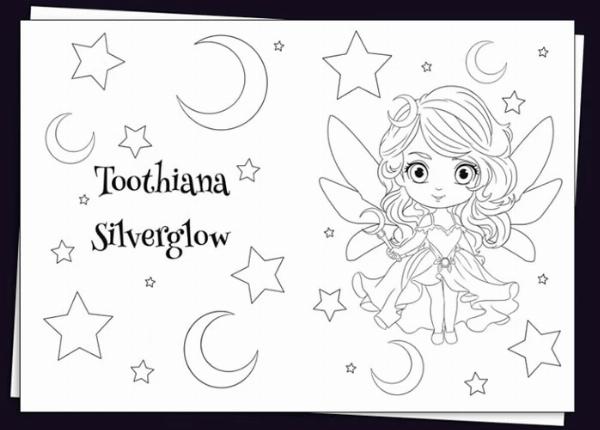
Many families mark a child's first visit to the Tooth Fairy as a small but meaningful milestone. This moment can be turned into a warm ritual that celebrates growing up while keeping the focus on comfort, safety, and positive memories.
- Plan a simple, comforting routine for the night of the first lost tooth.
- Use keepsakes and notes to create lasting memories without pressure.
- Consider age-appropriate surprises and set expectations clearly.
- Document the visit with photos, a note, or a small keepsake box.
- Consult trustworthy sources like the American Dental Association for tooth development facts.
How to make your child's first visit to the Tooth Fairy memorable
Set the tone: calm and celebratory
When the first baby tooth comes out, emotional reactions vary. Some children are excited; others feel nervous. Create a low-key celebration that matches the child's temperament. A favorite bedtime story, a small song, or a quiet cup of milk can turn the night into a comfortable celebration without overwhelming the child.
Simple rituals to consider
- Place the tooth in a labeled envelope or a small box with the date.
- Write a short note to the child from the Tooth Fairy, praising bravery or marking the milestone.
- Allow the child to choose where to leave the tooth—under the pillow, in a shoe, or on a windowsill—so the act feels participatory.
Practical details and keepsake ideas
Keepsakes that last
Consider a small keepsake box, a page in a memory book, or a simple photo record of the lost tooth and the child’s smile. A typed or handwritten note from the Tooth Fairy tucked into the memory box gives the family something to revisit later.
What to leave in exchange
Exchanges can range from a coin or token to a tiny toy, sticker, or a special note. Monetary value is not important; the symbolic nature of the exchange is what typically matters to children. For a budget-friendly option, consider a printed certificate, a sticker, or a hand-drawn picture placed with the tooth.
Age-appropriate communication
How to explain the Tooth Fairy to young children
Keep explanations simple and positive. For toddlers, describe the Tooth Fairy as a friendly visitor who collects teeth to help make something beautiful. For older children, include light details about tradition and encourage questions so they feel included in the experience.
Addressing fears or disappointment
If a child is fearful, skip the surprise and tell them in advance that a special visitor will come. If a child is disappointed with the exchange, validate feelings and explain that the tradition is about celebrating growing up rather than the size of the gift.
Dental context and safety considerations
Understanding tooth loss
Tooth loss is a normal part of childhood development. For details about typical ages and dental health around losing baby teeth, reliable guidance is available from professional organizations such as the American Dental Association (ADA). For general information on tooth development and care, see the ADA resource here: American Dental Association – Losing Baby Teeth.
Hygiene and handling the tooth
Handle the tooth with clean hands and, if saving it, allow it to dry on a clean surface before placing it in a keepsake container. If there are any questions about bleeding or unusual pain when a tooth falls out, contact a dental professional for evaluation.
Making it inclusive and culturally sensitive
Alternatives and family traditions
Not every family follows the Tooth Fairy tradition. Some cultures have different rituals for lost teeth; others prefer practical keepsakes or no ritual at all. Respecting family values and cultural practices ensures the moment remains meaningful and comfortable for the child.
Adapting for siblings and repeated visits
Keep consistency across siblings if a family wants to maintain a tradition, but allow each child to personalize their experience. Create a simple family handbook or list of options so each child knows what to expect when a tooth is lost.
Documenting the moment
Memory ideas
- Take a quick photo of the proud smile before bedtime.
- Store the tooth and the Tooth Fairy note in a labeled keepsake box.
- Create a small timeline in a memory book noting dates of lost teeth and short anecdotes.
Final tips
Prioritize comfort and celebration over tradition. The goal of a child's first visit to the Tooth Fairy is to mark a milestone in a gentle, memorable way that fits the family's values and the child's temperament.
Frequently asked questions
What should parents know about their child's first visit to the Tooth Fairy?
Parents should know the visit can be a small, joyful ritual. Focus on reassurance, a simple routine, and a keepsake that matches the family's style. Communicate with the child in age-appropriate language and prioritize comfort over surprises if the child is anxious.
Is it necessary to give money for a lost tooth?
No. The tradition is symbolic. Small tokens, notes, stickers, or certificates can be just as meaningful as money. Choose what aligns with family preferences and budget.
How can the Tooth Fairy tradition be adapted for different cultures or beliefs?
Adapt the ritual to respect cultural values and family beliefs. Alternatives include a communal family ritual, a note from a relative, or simply marking the milestone in a memory book without a visitor figure.
When should a dental professional be consulted about tooth loss?
Consult a dental professional if a child experiences persistent pain, heavy bleeding, or unusual problems with a loose tooth. For general tooth development timelines and care, consult resources from dental organizations and a pediatric dentist.