Reduce Plastic Use at Home: A Practical Guide with Checklist and Swaps
-

- Published Updated
- 406 views
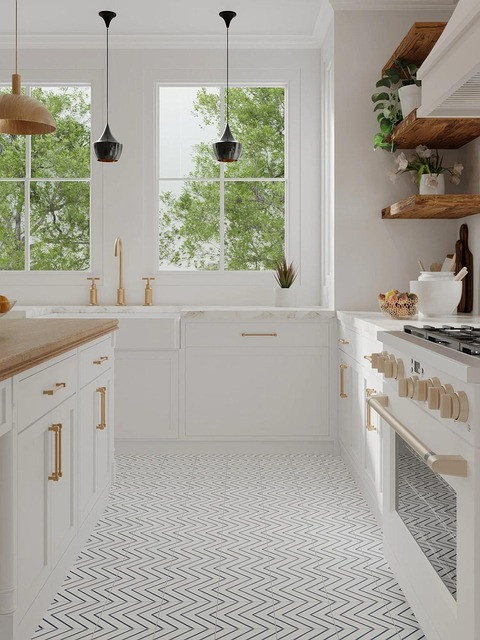
Reducing plastic use at home starts with clear priorities, simple swaps, and repeatable habits. This guide explains practical steps to reduce plastic use at home, covering easy changes for the kitchen, bathroom, cleaning, and shopping, plus a named checklist, a short example, and actionable tips that fit most households.
- Main goal: cut single-use plastic and replace it with durable or recyclable alternatives.
- Use the 5R Household Plastic Reduction Checklist for a stepwise plan.
- Start with the highest-impact areas: kitchen, groceries, and bathroom.
How to reduce plastic use at home: Practical steps
Begin with an audit: track plastic items used over one week to find the biggest sources. Focus on reducing single-use plastic, improving reuse, and choosing recyclable or compostable materials where appropriate. Priority actions usually reduce waste fastest: stop single-use bottles and bags, switch to refill systems, and avoid prepackaged foods when possible.
5R Household Plastic Reduction Checklist (named framework)
Use this checklist as a framework to plan changes, measure progress, and keep decisions consistent across rooms.
- Refuse: Say no to unwanted single-use plastics (plastic straws, freebies, disposable cutlery).
- Reduce: Limit purchases that include excess packaging—buy larger sizes or concentrates.
- Reuse: Choose durable alternatives—glass jars, metal bottles, cloth bags.
- Repair/Repurpose: Extend product life or repurpose containers rather than discarding.
- Recycle Responsibly: Only recycle items that local programs accept and prepare them correctly.
Room-by-room swaps and plastic-free kitchen tips
Kitchen
Apply plastic-free kitchen tips by replacing plastic wrap with beeswax or silicone covers, using glass or stainless steel food storage, switching to bulk dry goods with reusable containers, and keeping a set of reusable produce bags. For beverages, keep refillable bottles and consider a filtered water pitcher instead of bottled water.
Bathroom and personal care
Replace single-use plastic razors, toothbrushes, and travel-sized bottles with refillable or biodegradable options. Try bar soaps and shampoo bars, which reduce packaging volume and often come in cardboard boxes.
Cleaning and laundry
Buy concentrated cleaners and reuse spray bottles; make simple cleaners from vinegar, baking soda, and citrus where appropriate. Choose laundry strips or refillable detergent stations instead of pods in plastic tubs.
Zero-waste home swaps and shopping strategies
Adopt zero-waste home swaps by shopping at bulk stores, bringing own containers, and choosing items in glass, metal, or paper. When shopping, prefer products with minimal packaging and verify local recycling rules to avoid contaminants. Keep a set of reusable produce and shopping bags in the car or by the door to make reuse habitual.
Real-world example
Example scenario: A two-person apartment switched from weekly bottled water and prepackaged salad kits to a water filter jug and a once-weekly trip to a bulk grocer using four reusable containers. Within one month, the visible plastic waste dropped from a small trash bag of packaging per week to occasional single-use items—mainly snack wrappers—showing how targeting high-volume items provides fast results.
Practical tips: small actions that add up
- Start with three swaps: bottles, bags, and food storage—incremental change is more sustainable than an all-at-once overhaul.
- Keep a reuse kit (bag, coffee cup, utensils) in a bag or car to avoid impulse single-use purchases.
- Buy concentrated products and refillable formats to reduce packaging weight and frequency of purchase.
- Label and organize bulk containers at home to keep the system easy to use for everyone in the household.
Trade-offs and common mistakes
Trade-offs to expect
Durable alternatives often cost more upfront but last longer—expect higher initial spend for long-term savings. Some alternatives (e.g., certain bioplastics) require specific composting facilities; assess local waste processing before choosing replacements. Refillable schemes depend on local store availability and may require more time per shopping trip.
Common mistakes
- Assuming all items labeled recyclable will be accepted by local programs—check municipal guidelines to avoid contamination.
- Buying unfamiliar “eco” products without verifying material and end-of-life options (biodegradable versus industrial compostable confusion).
- Trying to change everything at once—prioritize high-volume, high-impact items for steady progress.
For official guidance on recycling and what materials are commonly accepted, refer to local waste authorities or national resources such as the U.S. Environmental Protection Agency's recycling basics page (EPA: Recycling Basics).
Measuring progress and staying motivated
Track the number of single-use items eliminated per week, or note the number of refill purchases avoided. Use the 5R checklist periodically to reassess priorities and celebrate small wins, like replacing the first set of disposable bottles or reaching a month with no plastic grocery bags.
FAQ: common questions about reducing plastic
How to reduce plastic use at home without spending a lot?
Prioritize low-cost, high-impact swaps: use refillable water bottles, carry a reusable bag, switch to bar soap, and shop bulk when possible. Repair and repurpose existing items instead of buying new replacements.
Are reusable containers always better than single-use plastic?
Reusable containers typically have a lower environmental impact if used many times; consider material durability, cleaning requirements, and end-of-life disposal. Glass, stainless steel, and silicone are durable choices that perform well over repeated use.
What are the best plastic-free kitchen tips for meal prep?
Use glass meal prep containers, beeswax or silicone lids, and avoid single-portion prepackaged meals. Buying grains and legumes in bulk and portioning into reusable containers reduces packaging waste.
Can small households make a noticeable difference?
Yes—targeting frequent single-use items produces visible reductions in waste. A few household changes compound over time and influence purchasing habits across social circles.
How to safely recycle mixed materials?
Separate materials whenever possible. Clean and dry containers before recycling, remove non-recyclable components (like caps if local rules require), and consult local recycling guidelines to prevent contamination.