How to Choose the Perfect Console Table: Size, Style, and Placement Guide
-

- February 23rd, 2026
- 1,221 views
Choosing a console table can instantly update an entryway, hallway, or living room while adding storage and display options. This guide explains how to select a console table by size, material, style, function, and placement so the piece complements both the room and daily routines.
- Measure available space and height before shopping.
- Match scale and style to the room and existing furniture.
- Choose durable materials for high-traffic areas.
- Use lighting and mirrors to enhance the console table's function.
Choosing the Right Console Table for Each Room
Deciding on a console table involves assessing the room's dimensions and intended use. For an entryway, the console table often serves as a landing spot for keys and mail; in a living room it can act as a sofa-back table or display surface; in a hallway the piece primarily fills space without obstructing movement. Prioritize depth and length that maintain a clear circulation path while providing adequate surface area.
Measure, Scale, and Proportion
Measure available space
Measure length, depth, and nearby clearances before selecting a table. Standard console table depths range from 10 to 18 inches (25–45 cm); choose shallower pieces for narrow halls. Allow at least 36 inches (91 cm) of clearance in walkways where possible to avoid congestion.
Consider height and furniture relationships
Console tables are typically 28 to 36 inches (71–91 cm) high. For placement behind a sofa, match the table height to be within 1–2 inches of the sofa back for visual harmony. When placed under a window or next to a radiator, account for sill and vent heights to avoid conflicts.
Materials and Durability
Wood, metal, glass, and mixed materials
Solid wood offers warmth and longevity; engineered woods provide budget-friendly alternatives. Metal frames add industrial or modern character and increase structural stability. Glass tops can make small spaces feel lighter but require frequent cleaning. Mixed-material designs combine the benefits of several materials and can fit multiple styles.
Finish and maintenance
Choose finishes according to traffic and maintenance tolerance: sealed hardwoods and powder-coated metals resist wear in busy entryways, while unsealed or distressed finishes may be better suited for low-traffic decorative areas. Follow manufacturer care guidelines to preserve appearance.
Style and Visual Balance
Match or contrast with existing decor
Select a console table that either complements existing furniture or serves as a deliberate contrast. Slim, minimalist tables pair well with modern interiors; ornate or carved tables suit traditional spaces. Consider color, leg style, and proportions relative to nearby pieces.
Use of mirrors, lighting, and accessories
A mirror above a console table enlarges visual space and adds function. Layer lighting with a table lamp or a pair of wall sconces to create focal points. Accessory choices—trays for keys, baskets underneath for storage, and artwork above—define the table's role and prevent clutter.
Functionality: Storage, Entryway Use, and Flexibility
Built-in storage vs. open display
Options include drawers, shelves, or purely decorative surfaces. Drawers hide small items in entryways; lower shelves or baskets accommodate shoes or larger objects. Open designs emphasize display and are easier to keep tidy when organized.
Multipurpose and convertible options
Some console tables convert into desks or expand with drop leaves. Consider convertible pieces for small homes or flexible living arrangements to maximize utility.
Budget, Sustainability, and Safety
Set a budget that reflects materials, construction, and expected lifespan. Look for solid joinery and reputable materials for long-term value. For households with children or pets, choose rounded edges, secure heavy objects to walls when needed, and verify that finishes meet safety standards. Organizations such as the American Society of Interior Designers provide guidance on scale and safety for residential furniture; see the American Society of Interior Designers for professional resources.
Placement and Styling Tips
Entryway
Position the console table opposite or adjacent to the front door so it functions as a landing zone. Use a shallow depth and add a tray and key bowl to keep essentials contained.
Behind sofas and in hallways
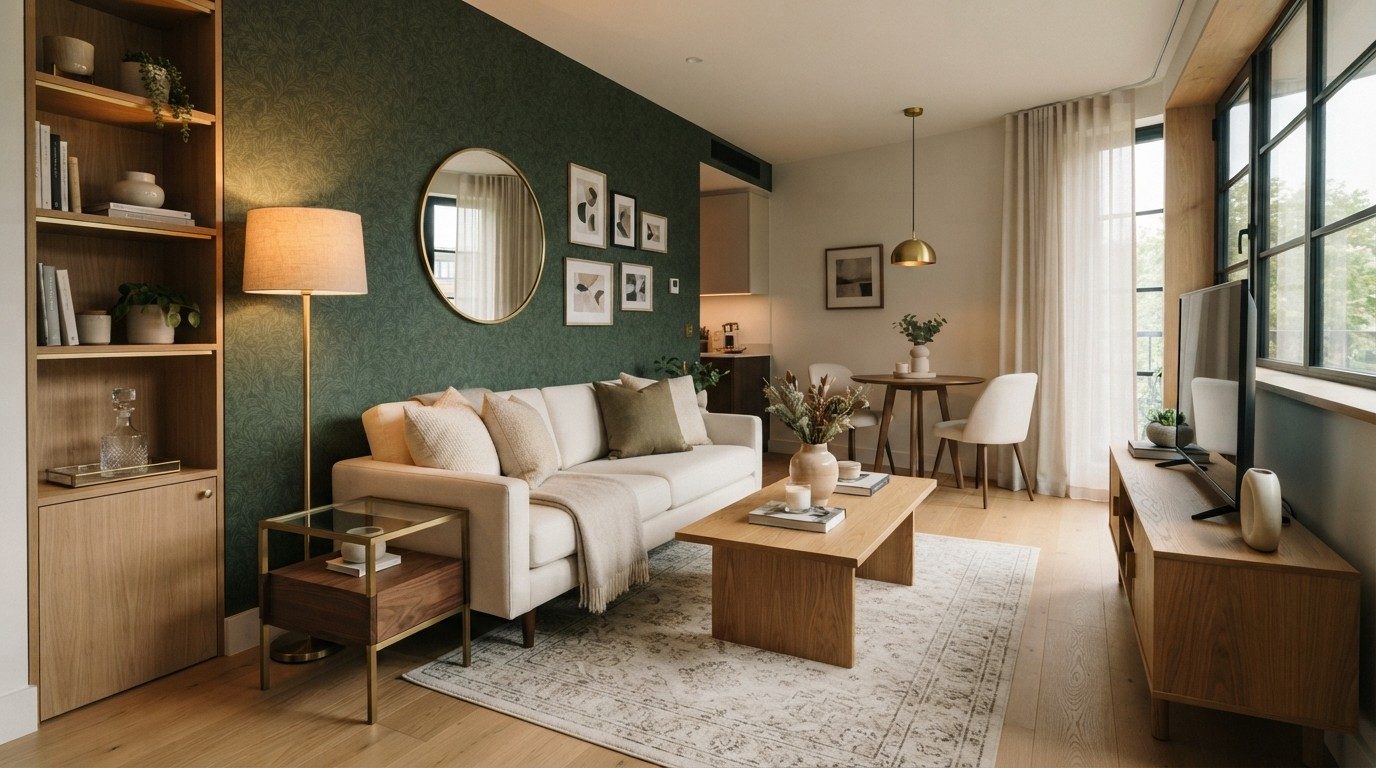
For sofa-back placement, choose the table height to align with the sofa and leave a 2–3 inch reveal for a pleasing layered look. In hallways, center the console table on a wall or between doorways and keep decorations minimal to avoid narrowing the perceived width.
Care and Longevity
Maintain finishes by cleaning according to material-specific guidance (e.g., damp cloth for sealed wood, glass cleaner for glass tops). Avoid placing hot items directly on finishes and use coasters or pads for protection. Regularly check hardware and tighten fittings to keep the table stable.
FAQ
How to measure for a console table?
Measure floor-to-top height to ensure the table works with adjacent furniture, determine available wall length and depth, and allow circulation clearance. Record doorway widths and nearby obstacles to confirm the table will fit through installation paths.
What is the ideal height for a console table behind a sofa?
The ideal height is usually within 1–2 inches of the sofa's back height to maintain balance and allow easy access to items placed on the table.
Can a console table be used as a media or TV stand?
A console table can function as a media stand for small TVs if stable and deep enough to support the device. Verify weight capacity, cable management options, and viewing height before using it for electronics.