Choosing the Best Preschool in Dombivli: A Practical Parent's Guide
-

- March 14th, 2026
- 1,210 views
Finding the right preschool in Dombivli is an important step for families preparing children for formal schooling and social development. This guide explains key factors to evaluate, questions to ask during a visit, and practical steps for selecting a programme that fits a child’s needs and a family’s logistics.
- Prioritise safety, teacher qualifications and student-to-teacher ratio.
- Compare curricula (play-based, Montessori, thematic) and daily routines.
- Visit multiple settings, observe classrooms, and check health/safety procedures.
- Confirm fees, admission requirements and parent communication practices.
Key factors when choosing a preschool in Dombivli
Location and daily logistics
Consider travel time, traffic patterns, and drop-off/pick-up convenience. Proximity to home or workplace reduces stress on family routines. Enquire about transport options, supervised arrival/departure procedures, and backup plans for weather or strikes.
Curriculum and teaching approach
Preschool programmes vary: play-based learning, Montessori, thematic or structured pre-primary approaches. Decide which approach aligns with family values and the child’s temperament. Look for a balance of free play, guided activities, language exposure, early numeracy and creative arts.
Teacher qualifications and student-to-teacher ratio
Teacher training in early childhood education (ECE) or diplomas in preschool education are important quality indicators. Smaller groups and low student-to-teacher ratios make individual attention more likely. Ask about staff turnover, background checks and ongoing professional development.
Safety, health and hygiene protocols
Inspect entry security, classroom supervision, and outdoor play area fencing. Confirm emergency plans, first-aid availability and protocols for illness. Check vaccination and health record policies, and how the school communicates health incidents to parents.
Infrastructure and learning materials
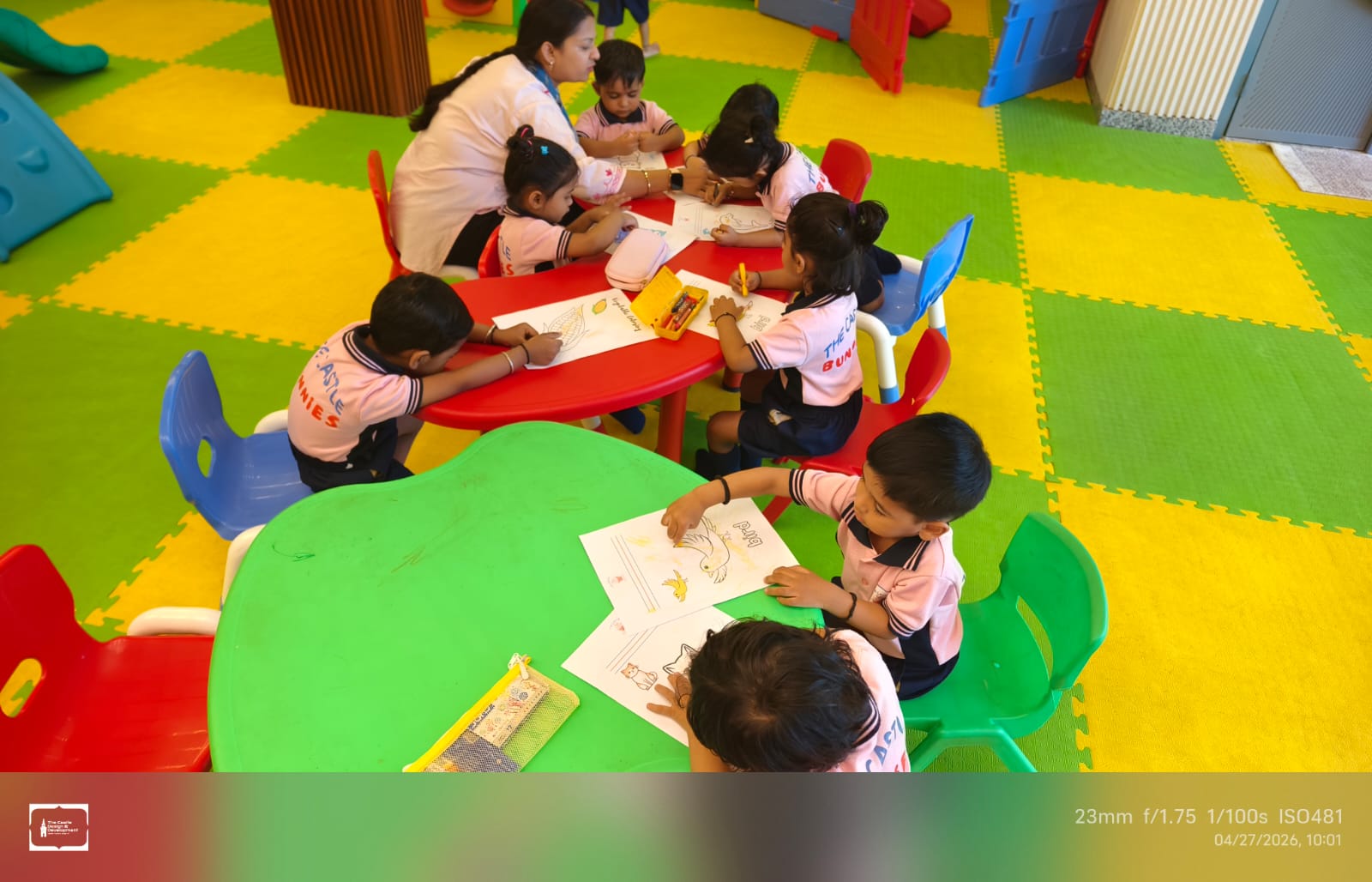
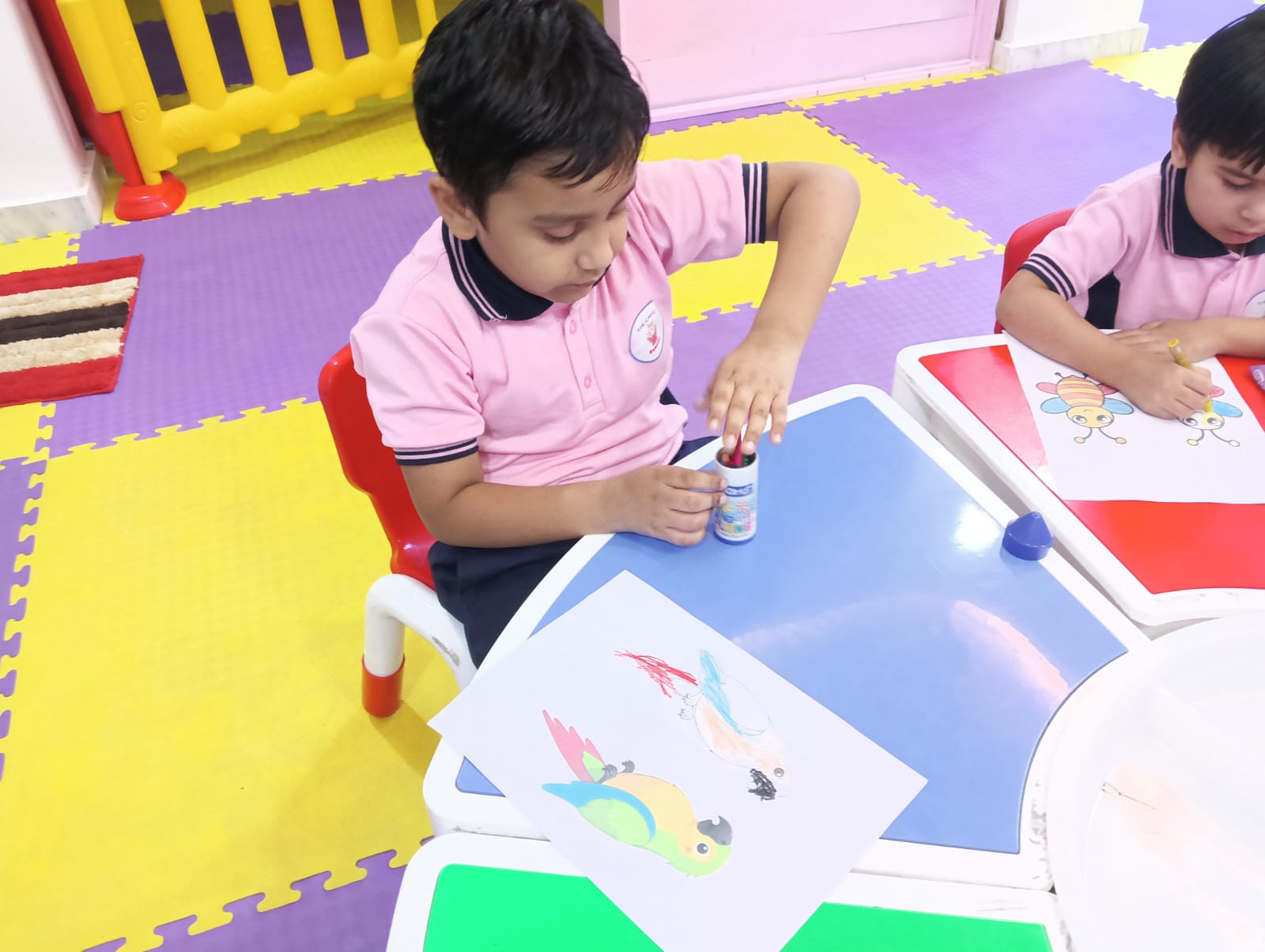
Look for age-appropriate furniture, clean toilets and handwashing stations, shaded outdoor play areas and varied learning resources (books, manipulatives, art supplies). Well-organised classrooms that invite exploration indicate thoughtful planning.
Fees, hours and admissions process
Compare fee structures, what is included (meals, materials, transport) and refund or withdrawal policies. Ask about the academic year, holiday schedule, notice periods and the admissions timeline. Confirm required documentation such as birth certificate and medical records.
Parent involvement and communication
Effective preschools keep parents informed through daily reports, parent-teacher meetings and digital communication. Opportunities for parent volunteering, workshops on child development and transition support can strengthen home-school partnership.
How to visit and evaluate potential preschools
Book a visit and observe a class
Schedule visits during active class time. Observe teacher-child interactions: are staff responsive, patient and encouraging? Note whether activities engage a range of children and whether transitions are calm and structured.
Ask focused questions
Examples: What is the daily schedule? How are behavioural issues handled? What assessment or progress reporting is used? How does the school support children with special needs? Request sample menus and a copy of the parent handbook.
Check regulatory and quality indicators
Confirm registration or recognition with local education authorities where applicable. In India, early childhood education guidance aligns with the National Education Policy (NEP) 2020 and state-level education bodies. Look for schools that follow recognised ECE standards and document staff qualifications.
Making the decision and preparing for the start
Compare options and trust observable fit
Use a checklist from visits to compare safety, curriculum, staff warmth and logistics. Prioritise factors that directly affect the child’s daily experience and well-being.
Transitioning a child into preschool
Plan gradual starts if available, keep routines predictable at home, and share information about the child’s preferences or anxieties with teachers. Clear communication between family and school smooths separation and supports adjustment.
Use official guidance and local resources
For broader policy context on early childhood care and education, consult official sources such as the Ministry of Education which provides national frameworks and resources for early learning and school readiness. Ministry of Education, Government of India
Conclusion
Choosing a preschool in Dombivli is a decision based on safety, quality of interactions, curriculum fit and logistical suitability. Visiting multiple schools, asking targeted questions, and checking staff qualifications will help identify an environment that supports a child’s social, emotional and early learning development.
FAQ
How can parents evaluate a preschool in Dombivli for safety and quality?
Observe security measures, verify staff background checks and training, examine facilities and hygiene, ask about emergency procedures and illness policies, and request references from current parents or local community groups.
At what age should a child start preschool?
Preschool starting ages vary by programme and family needs. Many preschools accept children from two to four years for playgroups and nursery classes, with structured pre-primary typically beginning at around three to four years. Consider the child’s social readiness and comfort with separation when deciding.
What types of curricula are common in preschools?
Common approaches include play-based learning, Montessori, thematic and activity-based curricula. Each emphasises different balances of child-led exploration and teacher-guided learning. Review daily schedules and sample activities to find a fit.
How do preschool fees typically work in Dombivli?
Fees vary with location, facilities and included services (meals, transport, materials). Confirm fee breakdown, payment schedules, registration and refundable deposits, and any additional charges for activities or uniforms.
What documents are usually required for admission?
Typical documents include the child’s birth certificate, proof of residence, medical/vaccination records and parents’ identity proof. Specific schools may request additional forms or statements; confirm requirements early in the application process.