Clinic Facial Cleaning in Riyadh: A Practical Guide to Refreshing Your Complexion
-

- February 23rd, 2026
- 1,280 views
Clinic Facial Cleaning in Riyadh: A Practical Guide to Refreshing Your Complexion
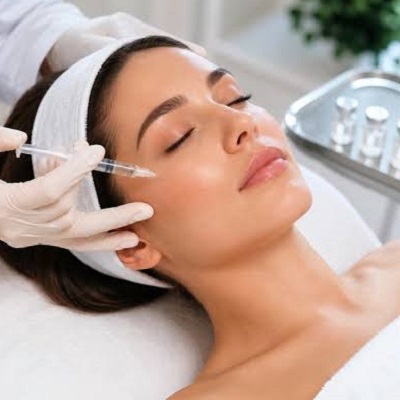
Many people seek professional treatments to improve skin texture and clarity. The phrase skin cleaning at the clinic in Riyadh describes supervised facial cleansing and related procedures offered by licensed clinics and dermatology centers across the city. This guide explains common techniques, what to expect during an appointment, safety considerations, and how to choose an appropriate clinic.
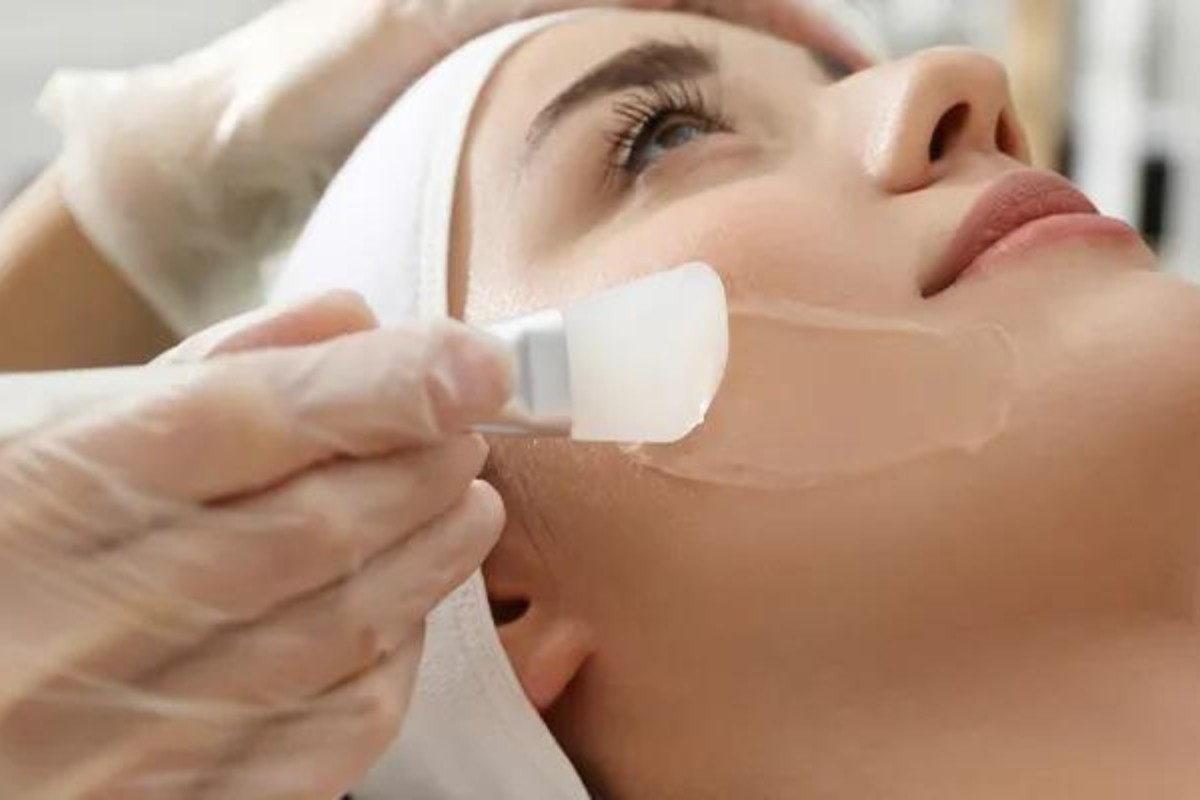
- Professional skin cleaning includes deep cleansing, extraction, exfoliation, and sometimes light resurfacing performed by trained clinicians or estheticians.
- Expect a consultation, skin analysis, and a tailored plan based on skin type and concerns such as acne, oiliness, or uneven texture.
- Verify clinic credentials and procedure settings; consult the Saudi Ministry of Health or a licensed dermatologist for clinical concerns.
Skin cleaning at the clinic in Riyadh: What to expect
Initial consultation and skin assessment
Appointments typically begin with a consultation to review medical history, medications, allergies, and specific skin concerns. The clinician or licensed esthetician will perform a skin analysis to determine skin type (oily, dry, combination, sensitive) and note conditions such as active acne, rosacea, or pigmentation.
Common procedures included in professional cleaning
Procedures vary by clinic but commonly include:
- Deep cleansing and makeup removal to clear surface oils and dirt.
- Manual or mechanical extractions to remove comedones (blackheads and whiteheads).
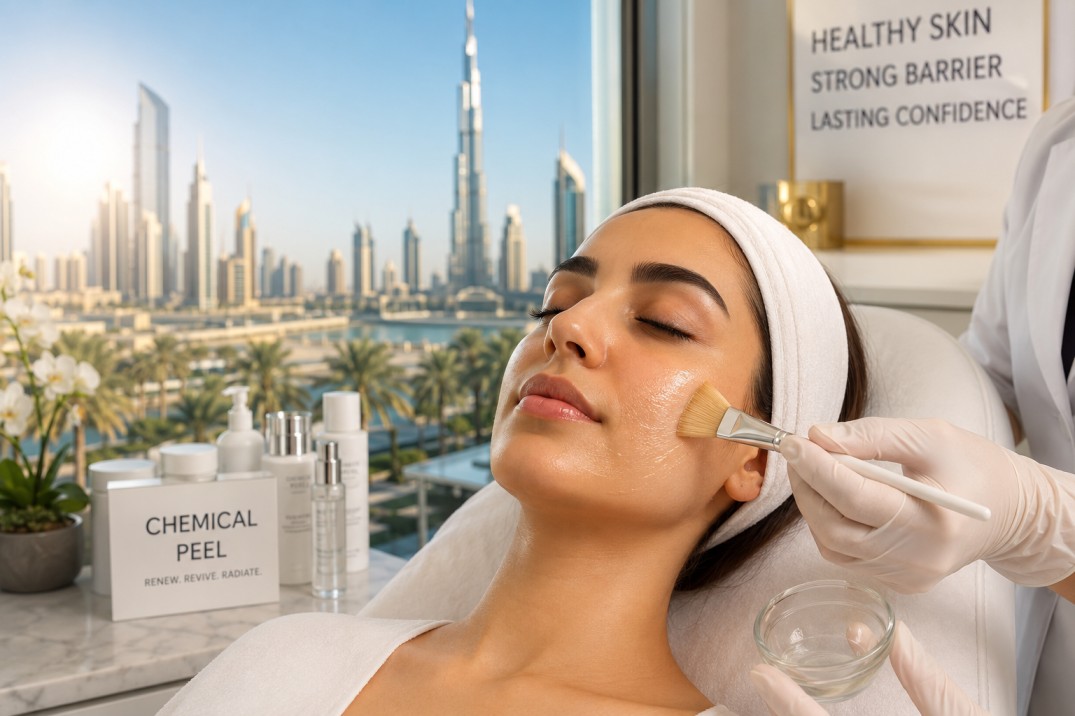
- Exfoliation, which may be mechanical (microdermabrasion) or chemical (superficial chemical peels), to remove dead skin cells and improve texture.
- Treatments such as hydrating masks, LED light therapy, or mild topical serums to support skin recovery.
How clinics in Riyadh ensure safety and quality
Licensing, personnel, and facility standards
Clinics should operate under local healthcare regulations. In Saudi Arabia, oversight comes from the Saudi Ministry of Health and regional health authorities; verification of clinic licensing and practitioner qualifications is recommended. For conditions requiring medical treatment, a licensed dermatologist should be consulted rather than an aesthetic provider alone.
Sanitation and infection control
Infection control practices such as single-use tools where appropriate, autoclaving reusable instruments, surface disinfection, and hand hygiene are standard. Clinics that follow established clinical guidelines help reduce the risk of complications.
Choosing a clinic and practitioner
Questions to ask before booking
- Is the practitioner a licensed dermatologist, physician, or trained esthetician?
- Can the clinic provide before-and-after photos for similar procedures?
- What are the expected downtime and aftercare instructions?
- How does the clinic handle complications or adverse reactions?
Trust signals and verification
Look for clinics that display licensing information and have clear treatment descriptions. Official sources such as the Saudi Ministry of Health provide registration details for healthcare facilities and general guidance on regulated services. For more information on clinical standards and facility registration, consult the Ministry of Health website: Saudi Ministry of Health.
Preparing for and recovering from a cleaning session
Pre-treatment tips
Avoid new topical products or aggressive home exfoliants in the days before treatment. Disclose any recent procedures, prescription medications (including isotretinoin or topical retinoids), and medical conditions. Clinics may advise postponing treatments if there is active skin infection or recent significant sunburn.
Post-treatment care and realistic outcomes
Aftercare typically includes gentle cleansing, sunscreen use, and avoiding harsh products for several days. Temporary redness, mild flaking, or sensitivity can occur, especially after exfoliating treatments. Multiple sessions may be recommended for concerns like persistent congestion or texture irregularities. For ongoing issues such as cystic acne or suspected skin disease, a dermatologist can offer diagnostic evaluation and evidence-based therapies.
Costs and treatment plans
What influences pricing
Costs depend on the clinic’s location, practitioner credentials, the complexity of the procedure, and whether adjunctive devices (e.g., microdermabrasion machines or LED therapy) are used. Clinics often offer packages for a series of sessions.
Insurance and referrals
Most cosmetic or elective skin cleaning procedures are not covered by health insurance. Procedures deemed medically necessary by a physician—such as treatment for infected lesions—might be managed differently. For questions about medical necessity, consult a licensed clinician.
Evidence and professional guidance
Sources and professional organizations
Clinical recommendations for skin procedures are informed by dermatology professional organizations and peer-reviewed research. Organizations such as the American Academy of Dermatology provide general guidance on safe practices; local regulatory oversight is provided by the Saudi Ministry of Health.
Frequently asked questions
Is skin cleaning at the clinic in Riyadh safe for sensitive skin?
Many clinics tailor treatments for sensitive skin using milder cleansers, low-intensity exfoliation, and shorter procedure times. A patch test or consultation with a licensed dermatologist or trained esthetician can help determine suitability.
How often should professional skin cleaning be scheduled?
Frequency depends on skin type and concerns. Some people benefit from monthly sessions, while others may need less frequent maintenance. A clinician can recommend a plan based on assessment.
Can skin cleaning procedures improve acne?
Professional cleaning can help reduce surface oil and remove comedones, which may improve mild acne. However, moderate to severe acne often requires prescription treatments from a dermatologist.
What are common side effects after a clinic facial cleaning?
Common short-term effects include mild redness, sensitivity, and temporary flaking, especially following exfoliation or extractions. Serious complications are uncommon when performed in licensed settings but should be promptly addressed by the provider.
How to verify a clinic’s credentials in Riyadh?
Confirm that the clinic and practitioners are registered with local health authorities and ask for practitioner qualifications. The Saudi Ministry of Health provides official information on healthcare facility registration and standards.