Cold Storage Company in Delhi NCR
-
- Published Updated
- 49 views
How to Choose the Right Cold Storage Company for Your Business
Introduction
Maintaining the right temperature is essential for preserving product quality, reducing spoilage, and ensuring safe storage across industries. From fresh fruits and vegetables to dairy products, frozen foods, and pharmaceutical supplies, temperature-sensitive goods require specialised storage conditions. A well-designed cold storage facility helps businesses maintain product quality while improving inventory management and supply chain efficiency.
Choosing a reliable cold storage company is therefore an important decision for businesses involved in food processing, agriculture, pharmaceuticals, dairy, and logistics. The right facility must provide consistent cooling, effective insulation, energy-efficient equipment, and dependable maintenance support.
Singhania Refrigeration provides advanced cold storage and refrigeration solutions for businesses across Delhi NCR and other parts of India. Its services include cold rooms, controlled atmosphere (CA/MA) stores, industrial refrigeration plants, ripening chambers, and integrated cold chain solutions designed around specific operational requirements.
Why Is Cold Storage Important for Modern Businesses?
Cold storage plays a significant role in protecting products that can deteriorate when exposed to unsuitable temperatures. Without proper temperature management, businesses may experience product wastage, reduced shelf life, financial losses, and difficulties maintaining consistent quality.
A professionally designed cold storage facility addresses these challenges by maintaining suitable environmental conditions throughout the storage process.
Some major benefits include:
Extended shelf life: Appropriate temperature and humidity conditions help preserve the freshness of perishable goods.
Reduced product wastage: Consistent cooling helps minimise spoilage caused by temperature fluctuations.
Better inventory management: Businesses can store products for planned distribution rather than relying entirely on immediate sales.
Improved product quality: Controlled storage conditions help protect the quality and usability of temperature-sensitive goods.
Greater operational efficiency: Properly planned storage layouts and refrigeration equipment support smoother warehouse operations.
Cold storage requirements differ according to the product being stored. Fresh produce, frozen food, dairy products, and pharmaceutical materials may require different temperature ranges, humidity levels, monitoring systems, and handling procedures. Understanding these requirements is the first step towards selecting the right infrastructure.
What to Look for in a Cold Storage Company
Selecting a refrigeration partner involves more than comparing installation prices. Businesses should evaluate the company's technical expertise, equipment selection, project execution capabilities, and ability to support the facility after commissioning.
1. Customised Storage Solutions
Every business has different storage requirements. A fruit exporter may need controlled atmosphere storage to manage ripening and preserve produce, while a frozen food processor may require blast freezing and low-temperature storage.
An experienced provider assesses the product type, storage capacity, operating temperature, expected inventory movement, and available space before recommending a suitable solution. This approach helps prevent oversized equipment, insufficient cooling capacity, and unnecessary operating expenses.
2. Energy-Efficient Refrigeration Systems
Refrigeration equipment operates for extended periods, making energy consumption a major component of operating costs. Poor insulation, incorrectly sized compressors, and inefficient temperature controls can increase electricity usage.
Modern refrigeration designs use suitable compressors, insulated panels, efficient evaporators, and intelligent controls to improve performance. Regular maintenance and correct equipment sizing further help maintain efficiency throughout the facility's operating life.
3. Reliable Installation and Maintenance
Even a well-designed facility can experience performance problems without proper installation and ongoing maintenance. Refrigerant leaks, damaged insulation, blocked heat exchangers, and faulty temperature sensors can affect cooling performance.
A dependable refrigeration partner should provide commissioning support, preventive maintenance, fault diagnosis, and access to technical assistance. These services help businesses reduce avoidable downtime and maintain more consistent storage conditions.
Choosing a Cold Storage Company in Delhi NCR
Delhi NCR is an important commercial and distribution region, connecting manufacturers, food processors, pharmaceutical distributors, retailers, and logistics operators with markets across northern India. These businesses require dependable temperature-controlled infrastructure to manage products safely during storage and distribution.
Working with a cold storage company in delhi ncr can make project coordination, site assessments, installation, and ongoing service support more convenient for businesses operating in the region.
Facilities in this market may serve several applications, including:
Agricultural produce storage and distribution.
Dairy processing and chilled product handling.
Frozen food manufacturing and warehousing.
Pharmaceutical storage and temperature-sensitive inventory.
Food retail, supermarkets, and distribution centres.
Refrigerated transport and integrated logistics operations.
Singhania Refrigeration provides cold storage and industrial refrigeration solutions for businesses in Delhi, Noida, Gurugram, Faridabad, and other locations across India.
Its offerings include cold rooms, ammonia and Freon refrigeration plants, compressor rack systems, controlled atmosphere stores, ripening chambers, and specialised refrigeration infrastructure. Businesses can select solutions according to their storage requirements, operating conditions, and future expansion plans.
Understanding Industrial Refrigeration Systems
Large storage facilities and processing plants require refrigeration equipment capable of maintaining stable temperatures under demanding operating conditions. These systems must be designed around the building's heat load, product characteristics, ambient conditions, storage volume, and operational schedule.
Modern industrial refrigeration systems may include compressors, condensers, evaporators, refrigerant piping, control panels, sensors, and automated monitoring equipment. Each component contributes to the system's overall cooling capacity and reliability.
The choice of refrigeration technology depends on the application's scale and requirements. Ammonia refrigeration is commonly used in large industrial facilities, while suitable Freon-based systems are often selected for smaller cold rooms and other applications. Both options require appropriate engineering, safety measures, and professional maintenance.
An effective refrigeration design considers several important factors:
Cooling capacity: Equipment must handle the expected heat load and product cooling requirements.
Temperature stability: Controls should maintain the specified operating range under changing conditions.
Insulation quality: Properly installed insulated panels help reduce unwanted heat transfer.
Equipment reliability: Suitable components and maintenance planning help minimise interruptions.
Safety requirements: Refrigerant selection, ventilation, leak detection, and operating procedures must suit the installation.
Monitoring capabilities: Temperature records and alarms can help operators identify problems quickly.
Selecting equipment based on actual operating requirements rather than price alone can improve long-term performance and reduce avoidable expenses.
Cold Chain Infrastructure: Connecting Storage and Transportation
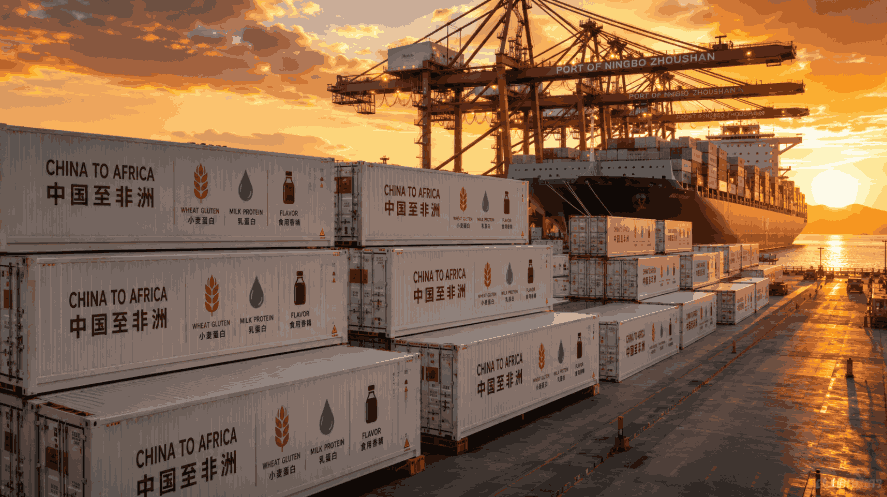
Cold storage is only one part of the wider supply chain. Temperature-sensitive products must remain within suitable conditions during receiving, storage, loading, transportation, and delivery. A failure at any stage can compromise product quality, even when the storage facility itself performs correctly.
Effective cold chain infrastructure connects refrigerated storage with handling equipment, insulated loading areas, monitoring systems, and temperature-controlled transportation. Coordinating these elements helps reduce temperature fluctuations and supports better product traceability.
Important components of an integrated cold chain include:
Temperature-Controlled Storage
Cold rooms, refrigerated warehouses, freezers, and controlled atmosphere stores provide storage environments suited to different products and shelf-life requirements.
Insulated Panels and Doors
High-quality insulation helps maintain internal temperatures by limiting heat transfer. Properly sealed doors also reduce cooling losses during regular loading and unloading operations.
Loading and Handling Equipment
Dock shelters and dock levelers can help reduce the entry of warm air during transfers between refrigerated facilities and vehicles. Well-planned loading areas also support smoother movement of goods.
Refrigerated Transportation
Refrigerated vehicles and suitable transport refrigeration units help maintain product conditions during distribution. Equipment must be selected according to the cargo, route, journey duration, and required temperature range.
Monitoring and Control Systems
Temperature sensors, automated alerts, and digital records help operators identify deviations and maintain greater visibility across storage and transport operations.
When these components work together, businesses can manage temperature-sensitive inventory more consistently from the point of storage to the final destination.
Specialised Cold Storage Solutions for Different Industries
Different industries require specialised refrigeration technologies to preserve product quality and maintain operational efficiency. Understanding these requirements helps businesses invest in facilities that meet their current needs without limiting future growth.
Food Processing and Frozen Food
Food processing businesses often require chilled storage, blast freezers, and Individual Quick Freezing (IQF) systems. These technologies support rapid cooling or freezing, helping preserve product quality and prepare goods for distribution. Correct storage temperatures and hygienic handling practices are equally important.
Agriculture and Fruit Storage
Agricultural businesses can benefit from cold rooms, ripening chambers, and controlled atmosphere storage. CA/MA facilities regulate temperature and atmospheric conditions to slow the ripening process for suitable produce. These systems can help extend storage periods when designed for the specific crop and operating requirements.
Pharmaceutical and Healthcare
Pharmaceutical products may require tightly controlled storage temperatures and documented monitoring procedures. Refrigeration solutions should be designed according to the applicable product specifications and regulatory requirements. Temperature alarms, reliable equipment, and appropriate backup arrangements can help protect sensitive inventory.
Dairy and Chilled Products
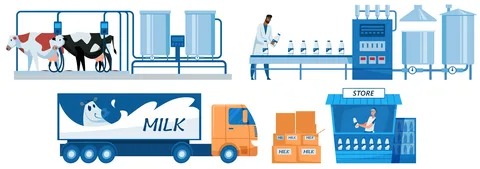
Milk, dairy products, and other chilled goods require consistent temperature management throughout storage and distribution. Properly designed refrigeration systems help maintain product quality and support efficient handling in processing facilities and warehouses.
Why Choose Singhania Refrigeration?
Choosing the right refrigeration partner can influence a facility's energy consumption, reliability, maintenance requirements, and long-term operating costs. Singhania Refrigeration offers solutions covering cold storage design, installation, commissioning, and ongoing maintenance.
Its services include cold rooms, CA/MA stores, ammonia and Freon refrigeration plants, compressor racks, ripening chambers, IQF systems, insulated panels, and transport refrigeration solutions.
The company serves businesses across Delhi NCR and India, supporting projects from initial planning through installation and continued technical assistance.
When evaluating a refrigeration provider, businesses should consider the following:
Experience with similar storage applications.
Equipment selection based on actual cooling requirements.
Quality of insulation and installation.
Energy efficiency and expected maintenance costs.
Appropriate safety and temperature-monitoring provisions.
Availability of technical support after commissioning.
A thorough assessment of these factors helps businesses choose a solution that balances initial investment with long-term performance.
Conclusion
Reliable cold storage is essential for businesses handling perishable food, agricultural produce, dairy products, pharmaceuticals, and other temperature-sensitive goods. The right facility combines suitable refrigeration equipment, effective insulation, consistent temperature monitoring, and regular maintenance.
Choosing an experienced industrial refrigeration company also helps businesses plan their facilities around actual storage requirements, operational demands, and future expansion.
Singhania Refrigeration provides customised cold storage, industrial refrigeration, and integrated cold chain solutions for businesses in Delhi NCR and across India. By evaluating capacity, temperature requirements, energy efficiency, and maintenance needs before investing, businesses can build more dependable storage operations and protect product quality throughout the supply chain.
To explore suitable solutions for your facility, visit Singhania Refrigeration and discuss your cold storage and refrigeration requirements with its team.