What Features Do Dairy Distributors Need to Track Loads
-

- Published Updated
- 4,343 views
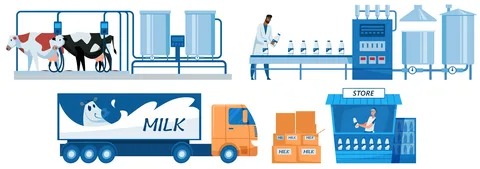
Dairy distribution is a time-sensitive business where product quality, route efficiency, and accurate load tracking all matter every single day. From chilled milk to yoghurt, cream, and other refrigerated goods, distributors need reliable systems that show where loads are, what is on each vehicle, and whether deliveries are running on time. In a sector where freshness is non-negotiable, even a small delay can affect product integrity and customer trust.
For many operators, the challenge is not just moving goods from depot to destination. It is knowing, in real time, which loads are on board, how they are performing against schedule, and whether any issues are likely to affect delivery. That is why many businesses now rely on dairy distribution software to improve visibility across the delivery process and reduce manual errors. The right features can help teams manage load tracking with far greater confidence, especially when dealing with multiple drops, strict temperature requirements, and fast turnaround times.
Key Points
- Real-time load visibility helps dairy distributors monitor deliveries from depot to customer.
- Temperature tracking is essential for protecting product quality and meeting food safety standards.
- Accurate load manifests reduce errors when loading, unloading, and reconciling stock.
- Route tracking and delivery confirmation improve accountability and customer service.
- Good systems should support mobile use, exception handling, and simple reporting.
Why load tracking matters in dairy distribution
Dairy products are highly perishable, which means distributors need more than a basic transport system. They need clear oversight of every load from start to finish. If a truck is delayed, if a cooler door has been left open, or if a product is loaded onto the wrong route, the impact can be immediate. Customers may receive warm goods, stock may need to be written off, and compliance records may become harder to defend.
Load tracking helps reduce these risks by giving dispatchers and drivers a shared source of truth. When everyone can see what has been loaded, where it should be delivered, and when it is expected to arrive, decisions become faster and more accurate. This is especially important for Australian distributors operating across large metro areas, regional towns, and long-distance routes where timing can vary widely.
Real-time visibility across every load
Live location updates
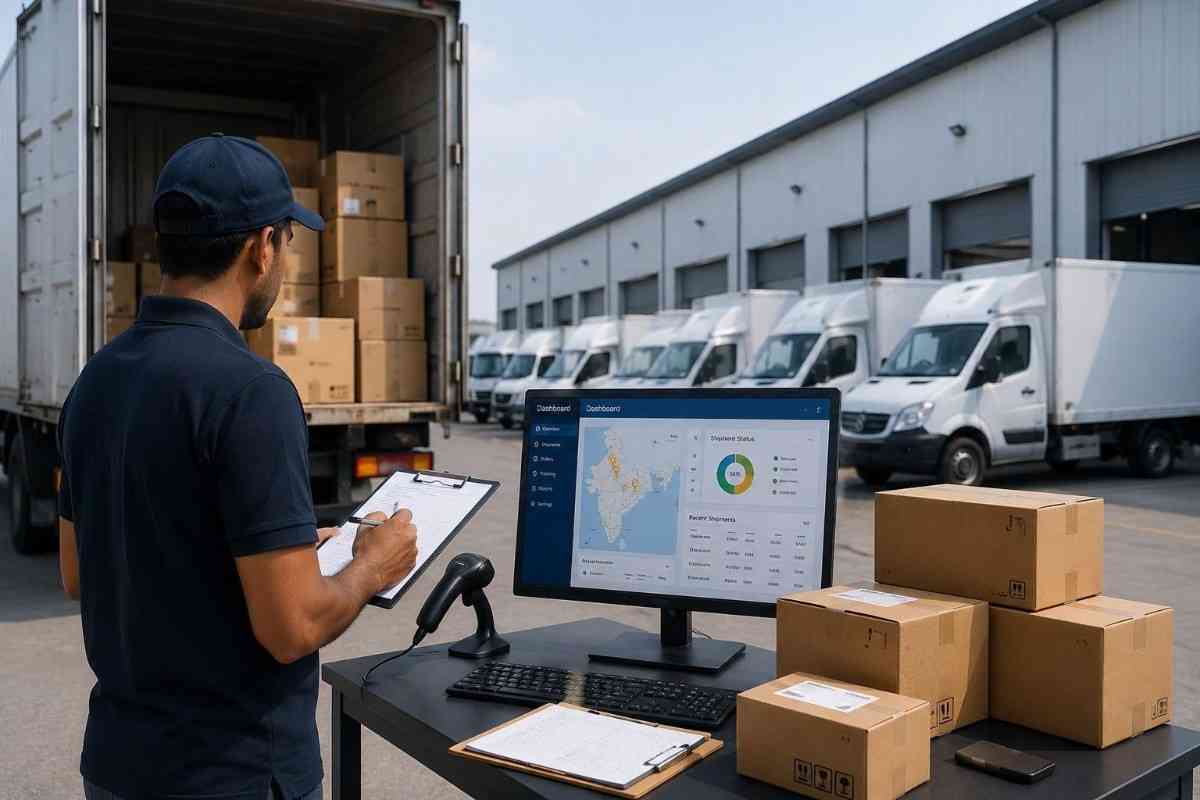
One of the most important features dairy distributors need is live tracking of vehicles and loads. Real-time location data allows dispatch teams to see whether a truck is on route, delayed by traffic, or stopped unexpectedly. This helps with planning, customer communication, and quick intervention if something goes wrong.
Live visibility also supports better route discipline. If a driver deviates from the planned path or spends too long at a stop, managers can identify the issue early. In busy dairy operations, this can prevent a small delay from becoming a larger service failure.
Status updates at each stop
It is not enough to know where a vehicle is. Distributors also need to know the status of each delivery. Has the load been partially delivered, fully completed, refused, or rescheduled? Clear status updates make it easier to reconcile stock, manage returns, and respond to customer enquiries.
Temperature monitoring and cold chain protection
Maintaining the cold chain is one of the most critical responsibilities in dairy logistics. Milk and other chilled products can spoil quickly if temperatures rise outside the safe range. For this reason, load tracking should include temperature monitoring wherever possible.
Effective systems may record refrigeration performance, highlight temperature breaches, and store a history of conditions during transit. This gives distributors a valuable audit trail and helps them investigate issues if a product quality complaint arises. It also supports compliance with food safety requirements and internal quality standards.
Alerts for temperature exceptions
Temperature data is only useful if it is acted on quickly. Automated alerts can notify staff if a unit is too warm, if a door has been open too long, or if a fridge malfunction is detected. These alerts allow teams to make timely decisions, such as rerouting stock, contacting the driver, or arranging an alternative vehicle.
Accurate load manifests and stock reconciliation
A reliable load manifest is essential for dairy distributors. It lists every item loaded onto a vehicle, including product type, quantity, batch details, and delivery order. This information helps drivers and warehouse staff confirm that the correct stock has been dispatched and received.
Without accurate manifests, errors can slip through quickly. A missing crate, a duplicated pallet, or a wrong product variant can lead to customer complaints and wasted time. Good load tracking systems make it easier to compare what was planned with what was actually loaded, which improves stock control and reduces disputes.
Barcode or scan-based verification
Many distributors benefit from scan-based verification when loading and unloading. Scanning items before they leave the depot helps ensure the right products are assigned to the right route. It also creates a digital record that can be checked later if there is a discrepancy.
Route planning and delivery sequencing
Load tracking is closely linked to route planning. If the load is not sequenced properly, drivers may waste time searching for items at each stop or risk handling products out of order. For dairy distributors, where freshness and efficiency are both important, delivery sequence can make a noticeable difference.
The best systems show which load belongs to which route and in what order deliveries should occur. This supports faster unloading, fewer mistakes, and smoother customer service. It also helps drivers manage complex runs with multiple drops, especially when different customers have different delivery windows.
Driver mobile access
Drivers need practical tools that work in the cab and on site. Mobile access is a key feature because it allows them to view load details, confirm deliveries, report issues, and update status without returning to the depot. This saves time and reduces paperwork.
A good mobile interface should be simple, clear, and usable even in busy conditions. Drivers should be able to see route details, delivery notes, proof of delivery requirements, and any special handling instructions. If the software is easy to use, compliance and accuracy improve naturally.
Proof of delivery records
Proof of delivery is another essential feature. Whether the confirmation is a signature, photo, timestamp, or GPS-based record, it provides evidence that the load reached the right place. This is useful for resolving disputes, improving accountability, and maintaining a clear delivery history.
Exception handling and incident reporting
No matter how well planned a dairy run is, exceptions will happen. A customer might be closed, a vehicle may break down, or a load may be damaged during transit. That is why load tracking systems should include straightforward incident reporting.
When a driver can quickly record a problem, the business can respond faster and keep accurate records. Exception handling should include missed drops, partial deliveries, product returns, temperature breaches, damaged goods, and route changes. Clear reporting makes it easier to learn from incidents and improve future operations.
Reporting and performance insight
Load tracking should not stop at day-to-day operations. Over time, the data collected can reveal patterns that help distributors work more efficiently. Reports can show on-time performance, failed deliveries, temperature incidents, vehicle utilisation, and route productivity.
This information is valuable for managers who want to reduce waste, improve service levels, and plan resources more effectively. For example, if certain routes consistently run late, the business may need to adjust departure times or delivery order. If some loads frequently return with leftovers, stock planning may need review.
Integration with warehouse and customer systems
Another feature worth looking for is integration. Dairy distribution works best when warehouse, transport, and customer data connect smoothly. If the load tracking system can link with inventory management, invoicing, and order processing, teams can avoid duplication and reduce administrative work.
Integration also improves communication with customers. When delivery updates are accurate and timely, customers know what to expect and can plan accordingly. This is especially useful for commercial buyers such as cafes, grocers, schools, and hospitality venues that depend on regular supply.
Scalability for growing operations
As a dairy business grows, load tracking needs become more complex. More vehicles, more routes, and more customers mean more chances for error unless the system can scale. Distributors should look for features that can support expanding fleets, additional depots, and changing delivery volumes without creating extra manual work.
Scalability is not only about size. It is also about flexibility. The system should handle seasonal peaks, special runs, emergency deliveries, and different product categories without losing accuracy or speed.
Conclusion
Dairy distributors need load tracking features that support visibility, temperature control, accurate stock handling, route efficiency, and reliable delivery confirmation. In a business where freshness and timing are critical, the right tools can make everyday operations safer, smoother, and more accountable. Real-time updates, strong manifests, mobile access, and useful reporting all contribute to better control across the delivery chain.
By focusing on practical features rather than unnecessary complexity, distributors can improve service quality, reduce waste, and keep products moving efficiently from depot to customer. For Australian dairy businesses, that level of control is not just helpful. It is essential.
FAQ
Why is load tracking so important in dairy distribution?
Because dairy products are highly perishable. Load tracking helps ensure goods stay within temperature limits, arrive on time, and are delivered to the correct customer.
What is the most important feature for tracking dairy loads?
Real-time visibility is one of the most important features. It allows distributors to see where loads are, monitor delays, and respond quickly to exceptions.
Should dairy distributors track temperature during transport?
Yes. Temperature monitoring is essential for protecting product quality and maintaining cold chain integrity throughout the journey.
How does proof of delivery help?
Proof of delivery creates a reliable record that the goods were delivered as expected. It helps resolve disputes and improves accountability.
Can load tracking reduce waste?
Yes. Better tracking reduces the chance of spoilage, misloads, missed deliveries, and stock errors, all of which can lead to waste.
Do smaller dairy businesses need these features too?
Yes. Even smaller operations benefit from clear load visibility, accurate manifests, and delivery confirmation. These features help maintain service quality as the business grows.