Stretch Hood Films Market Overview: Key Applications, Growth Factors, and Industry Developments
-

- Published Updated
- 72 views
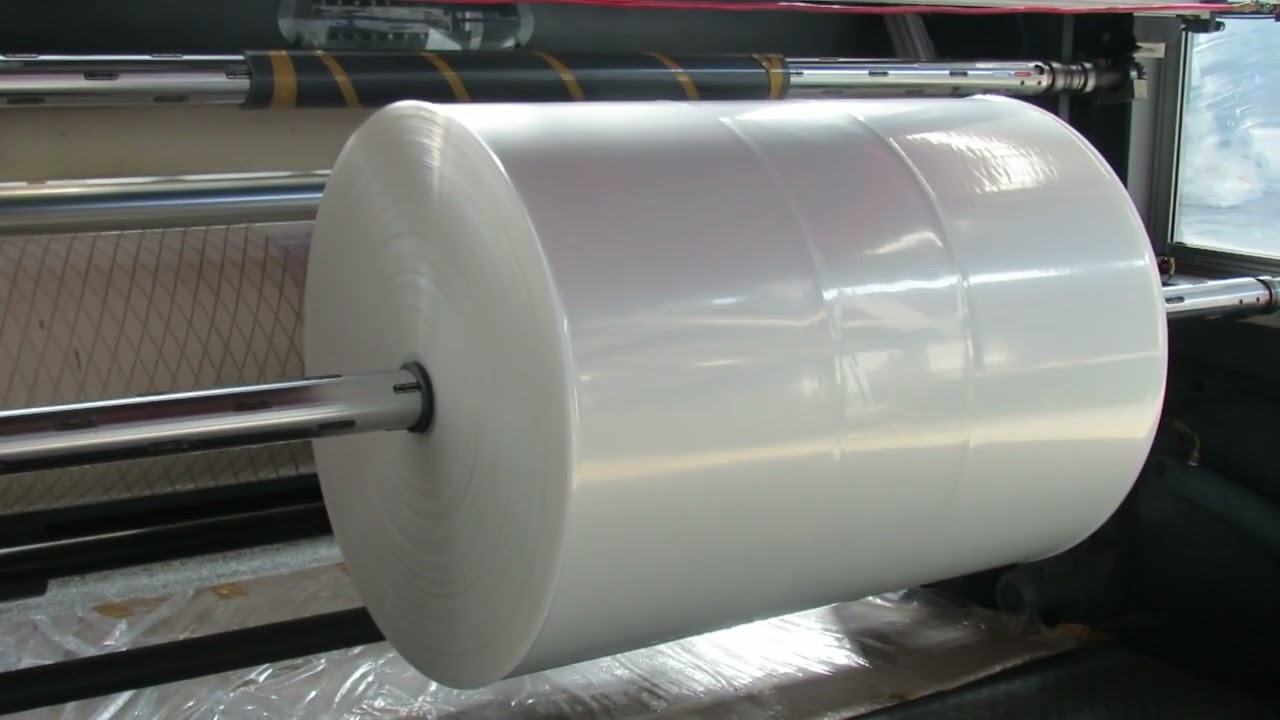
Stretch hood films have become an important packaging solution for industries that require secure, efficient, and reliable pallet stabilization. These films are designed to stretch over palletized products and create a tight protective covering without relying on heat during application. Their ability to hold goods firmly in place, protect them from environmental exposure, and maintain package integrity has increased their adoption across manufacturing, logistics, construction materials, food and beverage, and other industrial sectors.
The stretch hood films market is evolving as businesses seek packaging materials that improve transportation efficiency, reduce product damage, and support sustainability objectives. With supply chains becoming increasingly complex, manufacturers are focusing on packaging technologies that combine strength, flexibility, material efficiency, and operational convenience.
Understanding Stretch Hood Films
Stretch hood films are elastic plastic films manufactured to cover and secure stacked goods on pallets. The film is stretched mechanically and placed over a load, where its elasticity allows it to contract around the products. This creates a stable package that can withstand routine handling, storage, and transportation activities.
Unlike traditional shrink wrapping, stretch hood packaging generally does not require a heating tunnel. This can simplify packaging operations and reduce energy consumption associated with the wrapping process. The film can also provide coverage across the top and sides of a pallet, helping protect products from dust, moisture, and other external conditions.
Depending on the intended application, stretch hood films are produced in different thicknesses, widths, and formulations. Their performance depends on properties such as puncture resistance, tensile strength, elasticity, transparency, and resistance to tearing.
Major Applications Across Industries
Construction and Building Materials
Construction materials represent an important application area for stretch hood films. Products such as cement bags, bricks, tiles, insulation materials, and other building supplies often require secure pallet packaging to prevent movement during transportation. Stretch hood films help maintain load stability while providing protection against dust and moisture exposure.
For manufacturers operating high-volume production facilities, automated stretch hood systems can improve packaging consistency and support efficient shipment preparation.
Food and Beverage
Food and beverage manufacturers use pallet packaging to move packaged products through warehouses, distribution centers, and retail supply chains. Stretch hood films can secure cartons, bottles, cans, and other packaged goods while allowing the contents of the pallet to remain visible when transparent films are used.
Packaging performance is particularly important when loads contain products with different weights or dimensions. Appropriate film selection and application settings help reduce the risk of shifting, damaged cartons, and unstable pallet loads.
Chemicals and Industrial Products
Chemical producers and industrial manufacturers require packaging that can secure heavy or irregularly stacked products. Stretch hood films are used for selected applications involving bagged chemicals, fertilizers, powders, and industrial materials. Film strength and load retention are important considerations because packages may experience repeated handling during storage and distribution.
The ability to accommodate different pallet configurations makes stretch hood packaging useful for operations with varied product portfolios.
Key Factors Influencing Market Development
Several factors contribute to the development of the stretch hood films market. One major influence is the growing emphasis on supply chain efficiency. Companies want packaging solutions that minimize product movement, reduce handling problems, and maintain stable loads throughout transportation.
Automation is another important factor. Large manufacturing plants and distribution facilities increasingly rely on automated packaging lines to manage high production volumes. Stretch hood systems can integrate with palletizing equipment and warehouse operations, helping businesses improve throughput and maintain consistent packaging quality.
Material efficiency also influences purchasing decisions. Films that provide reliable load containment with optimized thickness can help reduce plastic consumption per pallet. However, manufacturers must balance material reduction with puncture resistance, elasticity, and load security.
In addition, growing attention to packaging waste encourages producers to explore recyclable materials, improved polymer formulations, and designs that use less material without compromising performance.
Technological Developments and Material Innovation
Film manufacturers continue to refine polymer blends and multilayer structures to improve packaging performance. These developments aim to enhance elasticity, mechanical strength, tear resistance, and load retention while maintaining reliable processing characteristics.
Advanced extrusion technologies allow producers to control film thickness and distribute material properties across multiple layers. Such designs can help manufacturers develop films suited to specific pallet weights, product shapes, and environmental conditions.
Automation equipment is also advancing. Modern systems may incorporate improved film handling, adjustable application settings, and monitoring features that help operators maintain consistent packaging results. These capabilities can reduce unnecessary film use and limit packaging interruptions.
Another area of development involves recyclable and resource-efficient film structures. The suitability of alternative materials depends on their mechanical performance, compatibility with existing recycling systems, availability, and overall cost.
Regional Market Characteristics
Demand for stretch hood films varies according to industrial activity, packaging infrastructure, and investment in automated production facilities. Regions with established manufacturing sectors and extensive distribution networks provide opportunities for suppliers offering high-performance packaging materials.
Emerging industrial economies may experience additional demand as construction activity, packaged goods production, and warehouse capacity expand. Investments in logistics infrastructure can also encourage businesses to adopt more efficient pallet packaging technologies.
Regional requirements differ according to climate, transportation conditions, product types, and packaging regulations. Suppliers must therefore consider local operating conditions when developing products and establishing distribution networks.
Challenges Facing the Industry
Despite their advantages, stretch hood films face several challenges. Plastic resin price fluctuations can affect production costs and make long-term purchasing decisions more difficult. Manufacturers must also manage the technical balance between film thickness, durability, elasticity, and affordability.
Initial investment in automated stretch hood equipment may be a barrier for smaller businesses. Companies need to evaluate installation costs, maintenance requirements, production volumes, and expected operating savings before adopting a new system.
Environmental concerns surrounding plastic packaging create another challenge. Businesses are under increasing pressure to reduce packaging waste and demonstrate responsible material use. Film producers must respond through design improvements, recycling compatibility, and transparent information about material performance.
Competition from alternative pallet stabilization methods, including stretch wrapping and other protective packaging systems, also influences purchasing decisions. The most appropriate solution depends on load characteristics, operating conditions, equipment availability, and total packaging costs.
Future Outlook
The future development of the stretch hood films market will likely be shaped by automation, material optimization, and growing demand for dependable pallet protection. Manufacturers are expected to continue improving film performance while exploring opportunities to reduce material consumption and enhance recyclability.
Businesses may increasingly assess packaging based on total operating value rather than film price alone. Factors such as line speed, product damage prevention, storage efficiency, labor requirements, and transportation reliability can influence purchasing decisions.
Collaboration between film producers, machinery suppliers, recyclers, and end users will remain important for developing practical packaging solutions. Companies that combine consistent product quality with technical support and application-specific designs may be better positioned to meet changing customer needs.
Conclusion
Stretch hood films provide an effective solution for stabilizing palletized goods across a wide range of industrial applications. Their flexibility, protective coverage, and compatibility with automated packaging systems make them valuable for businesses seeking improved handling and transportation performance.
Although resin costs, equipment investment, and environmental concerns remain important considerations, ongoing innovation offers opportunities to improve material efficiency and packaging reliability. As manufacturers continue to modernize supply chains and evaluate more sustainable packaging practices, the stretch hood films market is positioned to remain relevant within the broader industrial packaging sector.
SEO Tags: Stretch Hood Films Market, Industrial Packaging Solutions, Pallet Stabilization Films, Sustainable Packaging Materials
Learn More : https://www.pristinemarketinsights.com/stretch-hood-films-market-report