What’s the best diving gear for cold-water environments that still ensures comfort and safety
-
- Published Updated
- 8,888 views
Introduction
1.1 Why Comfort and Reliability Matter in Diving Gear
The tools which are used by the divers constitute the security system for them during their journey underwater. Comfort of diving equipment and the reliability of it are no longer considered to be simply a subjective issue, but instead, they represent the foundation of security. If the diving mask was not well-sealed, water might get inside it; if the wetsuit lacked proper insulation, it would be uncomfortable due to the sensation of cold. It was recognized by DIVTOP, an established company with over 20 years in the market.
1.2 The Importance of Anti-Fog Technology and Cold-Water Protection
Vision continues to be the primary means through which divers become aware of their surroundings underwater. The move from a hot boat to cold water often results in the fogging of normal lenses immediately, causing critical equipment to become obscured as well as the position of a fellow diver. In addition, in cold waters, the rate at which the human body loses heat in the water is 25 times faster than in air. Effective anti-fogging measures and warm neoprene suits are crucial.
1.3 How Choosing the Right Brand Improves Safety and Experience
The choice of a producer according to the internationally accepted criteria of safety, including ISO 9001 and CE, ensures that all parts, starting from the hooks manufactured from 316 stainless steel and ending with the tempered glass used for making a mask, have high standards of strength. The producer who utilizes military standards of engineering along with using CNC milled parts is good enough for cave or wreck diving.
2. Key Features of High-Quality Scuba Diving Masks
2.1 Advanced Anti-Fog Technologies
Top-notch masks stand out because they keep a clear view during an entire dive.
Coatings vs. Treatments: Today's makers usually put factory-applied layers on tempered glass to lower surface tension.
Long-lasting vs. Temporary: Although short-term defog options like gels or sprays work before each dive, the glass quality and clean production process determine how effectively these options stick.
2.2 Superior Comfort and Fit
Silicone Skirt Quality: Best quality masks feature high-quality, non-toxic silicone skirts that offer an excellent seal that is both snug but also comfortable without being too tight on the skin.
Ergonomics and Seal Functionality: For a reliable mask, there should be a seal that offers comfort and prevents any leaks from occurring. By shaping the skirts based on individual face types, the DIVTOP mask is capable of offering a leakproof seal when under pressure underwater.
2.3 Lens Quality and Visibility
Tempered Glass vs. Standard Glass: For protection, diving masks require tempered glass, since it holds up better and resists strong pressure.
Wide-Angle and Low-Volume Designs: Those who free dive or handle technical dives often select low-volume masks. Such designs cut down the air required for balancing and position the lenses nearer to the eyes, which widens the view.
2.4 Durability and Build Materials
Frame Construction: Employing tough plastics suited for sea use or sturdy frames helps the mask endure harsh and intense use.
Strap Systems and Buckles: Current masks include simple-to-adjust buckles. Plenty of divers add neoprene mask strap covers, which stop hair from catching and give a firmer grip.
3. Most Reliable Scuba Diving Mask Manufacturers
3.1 Premium and Established Brands
DIVTOP leads in this group as a top producer, with two decades of focused knowledge in dive equipment. The company gains fame for creating fresh, solid, and lasting masks that meet the needs of customers around the world. Its high-end series features double tempered glass lenses along with unique spots for cameras, so divers can capture their adventures without using hands.
3.2 Mid-Range and Value Brands
Steady mid-level producers aim for even performance. These providers deliver fine tempered glass and fluid silicone skirts at fair prices, which brings pro-level protection within reach for casual divers who want strength without high costs.
3.3 Emerging and Direct-to-Consumer Brands
Direct-to-consumer brands have disrupted the industry by being able to offer military-quality technology without any additional costs from a seller. With no additional charges from a seller, these brands can offer high-quality products such as custom-made lenses at significantly reduced rates.
4. How to Choose the Right Diving Mask for Your Needs
4.1 Mask Shape and Fitting Advice
When testing your mask, try holding it on your face without the strap and breathing slowly in through your nose and down. The mask should stay where it is and have no gaps; that means it seals perfectly.
4.2 Antifog Maintenance and Cares
After every dive, rinse your mask in fresh water to remove any salt or other debris. It is very important not to touch the inside surface of the mask with your hands; oil from your skin might damage the antifog coating.
4.3 Matching Mask Type to Diving Conditions
For swimming near the surface with a snorkel, a basic broad-view mask suits best. Yet for dives in deeper seas, select gear built to handle great pressures.
5. Challenges of Cold-Water Diving
5.1 Risks of Low Temperatures
The first threat is that cold water diving can result in hypothermia, which can influence the diver’s decision-making and skills. In addition to this, it is important to remember the decreased flexibility caused by the cooling of the hands.
5.2 Equipment Performance in Cold Conditions
·Regulator Freezing: Water vapor in the air might ice up a regulator's first or second stage during very low temperatures.
·Reduced Battery Life: Chilly conditions sap power from dive computers and lights much quicker. DIVTOP tackles these weather-related problems by providing non-freezing pea-less whistles that suit sea safety in tough spots.
6. Essential Diving Gear for Cold-Water Environments
6.1 Exposure Protection
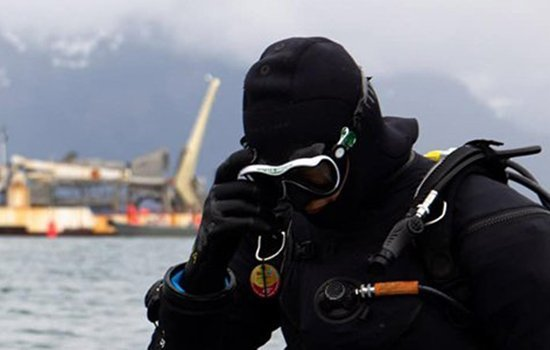
·Drysuits vs. Thick Wetsuits: When water drops below 16°C (61°F), a wetsuit of 7mm or more, or a drysuit, becomes required.
·Thermal Undergarments: For users of made-to-order neoprene suits, keeping a steady body heat happens through excellent foam padding.
6.2 Cold-Water Regulators
Regulators for cold water should include environmental sealing to block water from reaching the spring area, thus stopping ice from forming inside.
6.3 Gloves, Hoods, and Boots
· Insulation Levels: DIVTOP makes 3mm to 5mm neoprene gloves with seam-sealed building for very cold water.
· Mobility vs. Warmth: Their "Sharp Master" gloves include titanium alloy armor for safety while allowing easy movement.
6.4 Buoyancy Control Devices (BCD) for Cold Water
BCDs designed for cold water need enough lifting power to offset the extra load from heavy suits and solid steel tanks.
7. Best Diving Gear Brands for Cold-Water Comfort and Safety
7.1 High-End Performance Brands
At the top of the luxury range, DIVTOP combines military-grade engineering with eco-conscious practices. Its gear for cold water allows operation with one hand, which helps divers work faster and use less effort when their fingers feel numb and rigid.
7.2 Reliable Mid-Tier Options
Mid-tier makers supply basic heat shielding—like 5mm neoprene foot covers and head gear—that holds a steady warmth in icy salt water without extra expense.
7.3 Cost-Effective Alternatives
For beginner cold-water setups, factory-direct sources offer a complete bulk purchase option. By buying straight from the source, divers obtain 5mm wetsuits and gloves strengthened with Kevlar that follow OSHA rules and last longer than typical leisure items.
8. Tips for Maintaining Comfort and Safety in Cold Water
8.1 Correct Ways to Layer Clothing
It is important that you wear the hood and gloves because most heat loss occurs through the head and extremities.
8.2 Equipment Checks Before Diving
Ensure that all zippers and 316 stainless steel bolt snaps move smoothly as a result of coldness and freezing.
8.3 Post-Dive Care and Drying
Wash equipment in fresh water soon after use, within one hour. Let items dry flat and away from direct sunlight to keep the neoprene from getting stiff.
9. Conclusion
9.1 Choosing the Right Manufacturer for Long-Term Reliability
Putting money into a producer such as DIVTOP guarantees that your items come with twenty years of study and a firm commitment to field rules.
9.2 Investing in Cold-Water Gear for Safety and Performance
Diving in cold water calls for focused warmth layers. Suits made to fit provide the top seal and heat guard, which supports extended and easier underwater trips.
9.3 Final Recommendations Based on Budget and Experience Level
No matter if you snorkel for fun or work as a skilled expert, focus on safety and comfort. A solid collection of gear, cared for correctly, stands as the smartest choice any diver can make for their time below the waves.
FAQ
Q: Which are the most reliable manufacturers of scuba diving masks that offer superior comfort and anti-fog features?
A: DIVTOP earns strong praise thanks to its 20-year background in employing fine tempered glass and body-friendly silicone skirts. The company provides special options like made-to-order prescription lenses and spots for cameras, which boost ease and clear sight.
Q: What’s the best diving gear for cold-water environments that still ensures comfort and safety?
A: Top equipment covers thick (5mm-7mm) neoprene wetsuits, hoods, and gloves with sealed seams. DIVTOP’s fitted neoprene items and whistles that do not freeze suit warmth and alert functions in low temperatures.
Q: How do I maintain my diving mask to prevent fogging and damage?
A: Clean it with fresh water following each dive, and keep it in a shaded, dry spot. Apply a special anti-fog liquid before entering the water, and do not touch the inner lens with your fingers to protect the coating.
Q: Can I customize my diving equipment for my specific brand or needs?
A: Yes, companies like DIVTOP supply broad OEM and ODM support. You can adjust shades, include etched logos, or create fresh designs from molds to fit your exact wants.