Concentrated Growth Factor Treatments in Riyadh: Complete Skin Revitalization Guide
-

- February 24th, 2026
- 1,188 views

FREE SEO Topical Map Generator: Find Your Next Content Ideas
Concentrated Growth Factor in Riyadh is an increasingly offered regenerative treatment that aims to support skin revitalization using proteins and platelets derived from a patient’s own blood. Clinics in Riyadh advertise procedures for facial rejuvenation, scar improvement, and enhanced healing after dermatologic procedures. This article explains what concentrated growth factor is, how treatments typically work, local regulatory considerations, expected outcomes, common risks, and how to choose a qualified provider.
Concentrated Growth Factor (CGF) is a platelet- and growth factor-rich preparation used for skin rejuvenation and wound support. In Riyadh, treatments are offered by dermatology and aesthetic clinics; prospective patients should verify practitioner credentials, clinic licensing, and review published evidence. Discuss goals, alternatives, and potential risks before booking a procedure.
Concentrated Growth Factor in Riyadh: Overview
What concentrated growth factor is
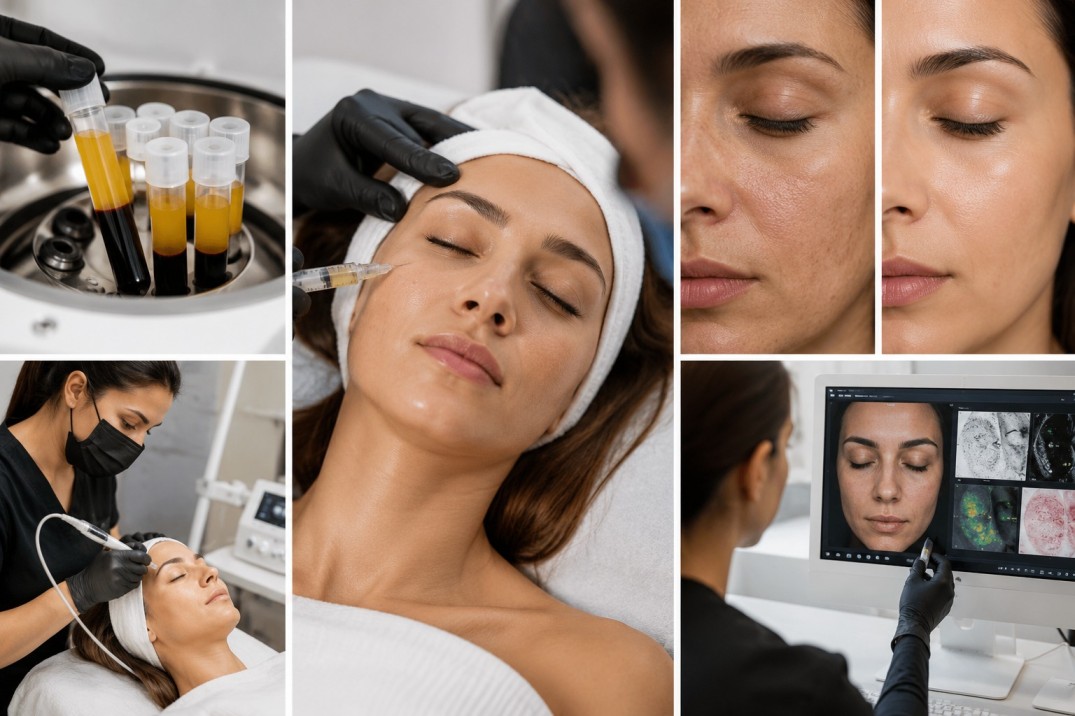
Concentrated Growth Factor (CGF) is a type of autologous blood-derived preparation. Blood is drawn, processed in a centrifuge to separate components, and a matrix containing platelets, fibrin, and growth factors is collected. The resulting material is applied or injected to target areas with the intention of supporting tissue repair and stimulating collagen production. Related terms include platelet-rich fibrin (PRF) and platelet-rich plasma (PRP); procedures and preparation protocols vary.
How it is used in dermatology
Applications commonly described by clinics include facial rejuvenation, reduction of fine lines, treatment of acne scars, hair restoration adjuncts, and improved healing after laser or microneedling. Techniques may combine CGF with microneedling, fractional lasers, or fillers depending on the clinic’s protocol and patient goals.
How the treatment works and what to expect
Procedure steps
Treatment typically begins with a blood draw followed by centrifugation. The concentrated fraction is isolated and then placed into the target area by injection or applied after a resurfacing procedure. Sessions often last 30–60 minutes, and a series of treatments may be recommended by providers depending on desired outcomes and the specific condition being treated.
Typical outcomes and timeline
Some patients report gradual improvement in skin texture, tone, and reduced scarring over weeks to months as collagen remodeling occurs. Results depend on baseline skin condition, the number of sessions, and concurrent treatments. Outcomes are variable and not guaranteed.
Finding clinics and understanding regulation in Riyadh
Credentials and clinic standards
Search for clinics staffed by licensed dermatologists or plastic surgeons and verify clinic licensing with local authorities. The Saudi Ministry of Health and the Saudi Food and Drug Authority (SFDA) oversee medical facility standards and medical devices; confirmation of appropriate permits and practitioner registration helps reduce risk.
Questions to ask a provider
- Which medical professional performs the procedure (dermatologist, plastic surgeon, or other licensed physician)?
- How is the blood processed and what centrifuge protocol is used?
- What evidence supports the proposed benefit for the specific concern?
- What are the potential side effects and how are complications managed?
Evidence, benefits, and potential risks
Scientific context
Research on autologous platelet concentrates (PRP, PRF, CGF) suggests these preparations contain growth factors such as platelet-derived growth factor and transforming growth factor that can support wound healing and collagen production. Clinical evidence varies by indication and study design. For general background on platelet-rich preparations and dermatologic use, see guidance from professional dermatology organizations such as the American Academy of Dermatology (AAD): https://www.aad.org.
Potential risks and limitations
Common transient effects include redness, swelling, bruising, or mild discomfort at injection sites. As with any procedure involving blood handling and injections, there is a small risk of infection, allergic reaction to topical agents, or unsatisfactory cosmetic results. Evidence for long-term benefit varies, and some claims exceed current scientific support. Providers should explain limitations and alternatives such as topical treatments, resurfacing lasers, or evidence-based aesthetic procedures.
Preparing for treatment and aftercare
Before a session
Disclose medical history, medications, and any bleeding disorders to the treating clinician. Follow clinic instructions on temporary medication adjustments or pre-procedure care. Confirm the processing protocol and sterile procedures used by the facility.
Aftercare and follow-up
Aftercare commonly includes gentle cleansing, sun protection, and avoidance of strenuous exercise for 24–72 hours depending on the provider’s protocol. Attend scheduled follow-ups to monitor progress and report any unexpected symptoms promptly.
Cost and accessibility in Riyadh
Costs vary based on clinic reputation, practitioner qualifications, and whether adjunctive treatments are combined with CGF. Consult multiple reputable clinics for estimates and request documentation of credentials and treatment plans. Confirm that laboratory processing meets local safety standards.
Frequently Asked Questions
What is concentrated growth factor in Riyadh and how does it differ from PRP?
Concentrated Growth Factor refers to a fibrin-rich, platelet-containing product derived from autologous blood; it differs from PRP in preparation and fibrin matrix content. Techniques and terminology overlap, and providers may use different protocols that influence composition and handling.
Is the treatment safe and regulated in Saudi Arabia?
Safety depends on practitioner training, clinic sterile technique, and compliance with Saudi Ministry of Health and SFDA standards. Verify licensing and discuss risks and expected outcomes with a licensed clinician before proceeding.
How many sessions are typically needed for skin rejuvenation?
Recommended sessions vary; some providers suggest a series of 2–6 treatments spaced weeks apart, with maintenance sessions later. Individual needs and responses differ, so treatment plans are often customized.
How to choose a qualified provider in Riyadh?
Prioritize clinics with licensed dermatologists or plastic surgeons, transparent protocols, and clear consent procedures. Ask for before-and-after documentation, details of centrifugation methods, and written information about risks and follow-up care.
Information in this article is educational and not a substitute for professional medical consultation. Verify current local regulations and consult a licensed clinician to discuss individual suitability and expected outcomes.