Cosmelan Peel Riyadh: Complete Guide to Removing Dark Spots Safely
-

- Published Updated
- 931 views
Intent: Commercial Investigation
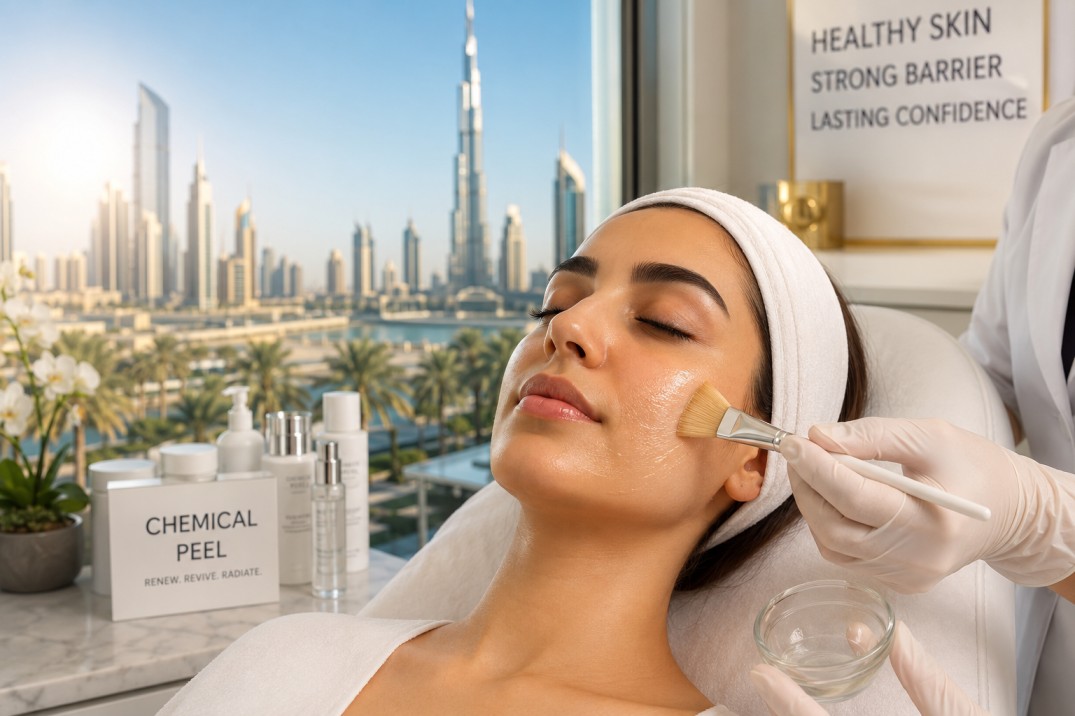
The Cosmelan peel Riyadh is a professional depigmentation treatment widely used to reduce dark spots, melasma, and post-inflammatory hyperpigmentation. This guide explains how the Cosmelan protocol works, who benefits, realistic outcomes, and how to compare it to other dark spot treatments in Riyadh.
- Cosmelan is a medical-grade chemical peel and topical depigmentation protocol designed to suppress melanin production and speed pigment turnover.
- Best for epidermal hyperpigmentation (melasma, sun spots, PIH); requires clinic application plus strict aftercare including sunscreen.
- Expect visible improvement in 4–12 weeks; maintenance and sun protection are essential to prevent recurrence.
What is the Cosmelan peel Riyadh and how it works
The Cosmelan peel is a two-part approach: an in-clinic chemical peel application followed by a prescribed at-home maintenance cream. The active ingredients (typically azelaic acid, phytic acid, and other inhibitors of melanin synthesis) act to reduce tyrosinase activity and speed epidermal renewal. For residents of Riyadh, where sun exposure and heat can worsen pigmentation, the protocol emphasizes aggressive sun protection and tailored follow-up.
Who is a good candidate?
Suitable candidates are people with epidermal hyperpigmentation—melasma, sun-induced lentigines, and post-inflammatory hyperpigmentation (PIH). Darker skin types may require cautious evaluation because of the risk of rebound hyperpigmentation; a dermatologist or licensed aesthetic practitioner should assess skin type, medical history, and concurrent medications (for example, certain antibiotics or hormone treatments that affect photosensitivity).
Core cluster questions
- Is Cosmelan effective for melasma?
- How long does Cosmelan results last?
- What is the downtime after a Cosmelan peel?
- Can Cosmelan be combined with lasers or microneedling?
- How to prevent pigmentation recurrence after treatment?
PEEL-SAFE checklist (decision framework)
The PEEL-SAFE checklist helps clinics and patients evaluate readiness and safety:
- Patient history: review medications, pregnancy, and prior treatments.
- Evaluate skin type: Fitzpatrick scale assessment for risk stratification.
- Expectation setting: discuss realistic timelines and need for maintenance.
- Locate pigment depth: Wood's lamp or clinical exam to confirm epidermal pigment.
- Schedule follow-up: plan 1 week, 1 month, and 3-month checks.
- Aftercare plan: prescribe sunscreens, moisturizers, and barrier repair products.
- Flare/complication protocol: outline steps for irritation or infection.
- Education: inform about sun avoidance and return-to-sun precautions.
Typical treatment course, results, and timeline
After a clinic application of the Cosmelan mask, expect short-term redness, peeling, and moderate dryness for 5–14 days. Pigment lightening is usually noticeable within 4–12 weeks, with progressive improvement over several months. Long-term control requires maintenance creams and strict daily sunscreen—otherwise hyperpigmentation can recur.
Short real-world example
A 34-year-old office worker in Riyadh with hormonal melasma followed the Cosmelan protocol: clinic mask application, one week of intensive aftercare with prescribed creams, and strict SPF 50+ use daily. At 8 weeks the irregular patches lightened by about 60%, with further improvement by month 4 when maintenance was continued.
Practical tips for Riyadh patients
- Book a medical consultation to confirm pigment depth and rule out competing causes (vitamin deficiencies, medications).
- Use a broad-spectrum sunscreen (SPF 50+) daily and reapply every two hours when outdoors—sun control is the most important factor for lasting results.
- Follow the prescribed maintenance creams exactly; stopping early increases relapse risk.
- Avoid combining aggressive resurfacing (lasers, deeper peels) until the skin fully stabilizes—ask the treating clinician before adding procedures.
Trade-offs and common mistakes
Trade-offs: Cosmelan gives strong, targeted depigmentation but requires disciplined aftercare and medical supervision. It may cause prolonged peeling and can trigger rebound pigmentation if sunscreen and maintenance are neglected.
Common mistakes to avoid:
- Skipping medical assessment—misdiagnosed pigment depth leads to poor outcomes.
- Inadequate sunscreen use, especially in hot, sunny environments like Riyadh.
- Combining with unvetted home remedies (e.g., aggressive exfoliants) that irritate the skin and worsen PIH.
Safety, side effects, and when to see a dermatologist
Expected side effects include redness, peeling, dryness, and transient sensitivity. Severe reactions such as infection, persistent hyperpigmentation, or scarring are uncommon with proper technique but require prompt medical attention. For evidence-based context on chemical peel safety and indications, consult guidelines from dermatological authorities such as the American Academy of Dermatology (AAD: Chemical Peels).
Comparing Cosmelan to alternatives
Compared with topical hydroquinone, Cosmelan is a supervised protocol that often produces faster, more noticeable results but with higher short-term downtime. Laser treatments may offer quicker clearance for some lesions but carry different risks (hypo- or hyperpigmentation) especially in darker skin. Pigment type, patient tolerance for downtime, and long-term maintenance preferences determine the best option.
Final checklist before booking
- Confirm diagnosis and pigment depth with a qualified clinician.
- Review the PEEL-SAFE checklist with the treating clinic.
- Plan for strict sun protection and follow-up visits.
FAQ: How effective is Cosmelan peel Riyadh for melasma?
Cosmelan can be highly effective for epidermal melasma when combined with maintenance creams and sunscreen; results vary and often require ongoing care to prevent recurrence.
FAQ: How soon are results visible and what is the downtime?
Initial peeling and redness occur in the first 1–2 weeks; visible pigment reduction commonly appears by 4–12 weeks. Downtime is moderate—plan for social downtime during active peeling.
FAQ: Can Cosmelan be used on darker skin types?
Yes, with careful assessment. Darker skin tones need tailored protocols and close follow-up to reduce the risk of rebound hyperpigmentation; always consult a dermatologist experienced with darker skin.
FAQ: What aftercare is required after Cosmelan?
Aftercare includes prescribed maintenance creams, daily high-SPF sunscreen, gentle moisturization, and avoidance of strong exfoliants or unapproved procedures until cleared by the clinician.
FAQ: How to choose a clinic in Riyadh for Cosmelan?
Choose a licensed dermatology clinic or experienced medical aesthetics center that provides a documented treatment plan, follows the PEEL-SAFE checklist, and offers clear follow-up and emergency contact details.