Space-Smart Creative Wardrobe Designs for Kids' Rooms
-

- Published Updated
- 1,425 views
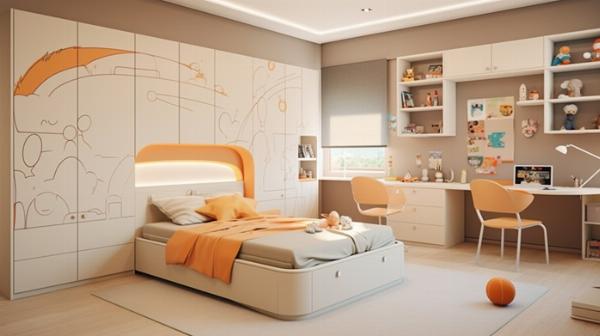
Designing tidy, attractive storage begins with creative wardrobe designs for kids room that balance safety, durability and everyday use. Thoughtful wardrobes can maximize floor space, encourage organization and match changing needs as children grow.
- Choose a layout that fits the room: built-in, modular, freestanding or alcove solutions.
- Prioritize safety: tip-over prevention, secure hardware and low-VOC finishes.
- Plan storage by age: accessible hanging for younger kids, adjustable shelves for older children.
- Use space-saving features like sliding doors, pull-out drawers and integrated shelves.
Creative wardrobe designs for kids room: main approaches
Wardrobes for children benefit from a mix of flexibility and simplicity. Common approaches include built-in cabinetry that uses alcoves and sloped ceilings; modular systems that expand as needs change; freestanding wardrobes placed for easy access; and combination units that combine hanging space, drawers and open cubbies for shoes and toys.
Layouts and space-saving ideas
Built-in and alcove wardrobes
Built-in wardrobes match wall dimensions and can turn unused alcoves into efficient storage. Custom shelving can accommodate seasonal clothing and toys while leaving floor space free for play. Consider shallow-depth hanging for smaller rooms to avoid crowding.
Modular and adjustable systems
Modular wardrobes allow reconfiguration: add hanging rails, drawers or shelves as a child grows. Adjustable shelving and removable bins extend useful life, reduce waste and adapt to changing storage needs without a full replacement.
Sliding doors and pocket doors
Sliding or pocket doors save clearance space required by swinging doors. They also provide a clean aesthetic and can be paired with full-height mirrors or chalkboard panels to double as activity areas.
Materials, finishes and safety
Safe materials and finishes
Choose low-VOC paints and finishes and durable surfaces resistant to scuffs and stains. For information on household product safety and recalls, consult national safety agencies such as the U.S. Consumer Product Safety Commission for guidance on durable nursery and furniture standards and hazard alerts. CPSC
Tip-over prevention and hardware
Tall wardrobes should be anchored to walls and fitted with soft-close hinges to reduce pinch risks. Use child-safe drawer catches and rounded edges where possible. Reference voluntary standards from recognized testing organizations when selecting components.
Organization strategies
Zone planning by age and activity
Create lower zones for daily items like pajamas and school clothes so younger children can dress independently. Higher shelves can hold out-of-season clothing and keepsakes. Include open cubbies or labeled baskets for toys and frequently used items.
Labels, colors and visual cues
Labels, picture stickers or color-coded bins help children learn where items belong. Transparent or mesh drawers let caregivers see contents quickly while encouraging children to maintain order.
Design details that add function
Integrated seating and changing surfaces
Benches with under-seat drawers or pull-out changing trays add function to a wardrobe wall without extra furniture. Ensure any change surfaces meet current safety guidance for the child’s age and are well-anchored.
Lighting and mirrors
Interior LED strip lights improve visibility and reduce the need to leave room lights on. Shatter-resistant mirrors or mirrored panels increase perceived space and help with dressing while avoiding glass hazards.
Planning, measurement and installation
Measure twice and plan storage needs
Accurate measurements of ceiling height, door swings and adjacent furniture avoid costly mistakes. Sketching a layout that includes hanging lengths, shelf depths and drawer heights clarifies requirements before ordering or building.
Hiring professionals vs. DIY
Joinery and secure anchoring are often best handled by qualified installers, especially for built-ins. For modular systems, follow manufacturer instructions carefully and use wall anchors rated for the expected load.
Maintenance and longevity
Cleaning and routine checks
Use mild cleaners compatible with finishes and check hardware annually for loosening. Replace worn drawer glides and reinforce anchors if a wardrobe shifts or shows signs of instability.
Adapting for growth
Design wardrobes with future transitions in mind: higher hanging rods can be lowered later; removable bins can convert play storage into teen accessories storage.
Budget-friendly tips
Prioritize structural investments
Invest in durable carcasses and reliable hardware; cosmetic updates like paint or knobs can refresh a unit later at low cost. Consider secondhand solid-wood frames that can be refinished instead of inexpensive particleboard units that wear quickly.
Easy aesthetic upgrades
Switchable features—peel-and-stick wallpaper on back panels, interchangeable knobs, or removable decals—keep the wardrobe fresh without permanent renovation.
Frequently asked questions
What are creative wardrobe designs for kids room that save space?
Space-saving designs include built-ins that use alcoves, sliding doors to eliminate swing clearance, stacked drawers with shallow hanging, and lofted beds with wardrobe storage underneath. Modular units with adjustable shelves allow for compact organization tailored to the room size.
How can wardrobes be made safer for young children?
Anchor tall units to wall studs, use tip-over restraints, install soft-close hinges, round exposed corners and choose shatter-resistant materials. Regularly inspect fastenings and follow safety guidance from recognized agencies.
What materials and finishes are best for long-lasting kids' wardrobes?
Durable plywood or solid wood for structure, high-pressure laminate or melamine for surfaces, and low-VOC paints for finishes combine longevity with easier cleaning. Avoid easily damaged particleboard in high-use areas.
Can a wardrobe be repurposed as a child grows?
Yes. Design for adaptability by including adjustable shelving, removable bins and standardized fasteners. This enables conversion from baby storage to school-age organization and later to teen clothes storage.