Custom Cap Digitizing for High Quality Embroidered Headwear
-

- April 02nd, 2026
- 6,906 views

FREE SEO Topical Map Generator: Find Your Next Content Ideas
Custom caps are widely used by businesses, sports teams, clothing brands, and organizations for branding and merchandise. Embroidered caps create a professional look and offer long lasting durability compared to printed designs. However, achieving clean and accurate embroidery on caps requires a specialized technical process known as custom cap digitizing.
Cap digitizing converts a logo or artwork into a digital embroidery file that machines can read and stitch. Because caps have a curved structure and limited embroidery space, the digitizing process must be carefully planned to maintain design clarity and stitching accuracy.
What Is Custom Cap Digitizing
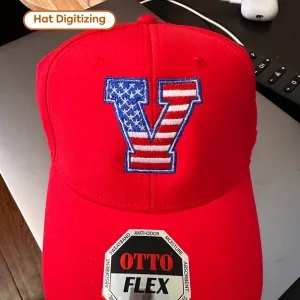
Custom cap digitizing is the process of transforming a graphic design or logo into a stitch file used by embroidery machines. The digitizer manually converts artwork into stitch types, stitch directions, densities, and sequences that guide the embroidery machine during production.
Unlike standard garment digitizing, cap digitizing must account for the curved front panel of the cap. Structured caps, snapbacks, and trucker caps often have thicker fabric and reinforced panels, which affect how stitches behave during embroidery.
A properly digitized file ensures that the design appears clean, readable, and balanced when stitched on the cap.
Why Cap Digitizing Requires Special Techniques
Digitizing for caps is different from digitizing for flat items such as shirts, jackets, or bags. Caps are usually embroidered using a cap frame that holds the hat in a curved position. Because of this setup, designs must be optimized to prevent distortion.
One commonly used method is the center out stitching approach. In this method, embroidery begins from the middle of the design and gradually moves outward. This helps maintain alignment and reduces the risk of fabric shifting during stitching.
Stitch direction also plays a major role in cap embroidery. If stitch angles are not planned correctly, the design may show puckering or uneven stitching. Professional digitizers adjust the stitch angles to match the cap structure and fabric tension.
Importance of Underlay Stitches in Cap Digitizing
Underlay stitches create the base layer that supports the visible embroidery stitches. Since cap panels can be thick and structured, underlay stitching helps stabilize the fabric and provides a solid foundation for the top stitches.
A proper underlay improves stitch quality, prevents thread breaks, and keeps the embroidery design consistent. Without the right underlay technique, the design may lose sharpness or shift during the embroidery process.
Digitizers select different underlay patterns depending on the design size and stitch type.
Selecting the Right Stitch Types
Different elements of a design require different embroidery stitch styles. Choosing the correct stitch type helps maintain clarity and efficiency during embroidery production.
Satin stitches are commonly used for text, borders, and narrow shapes. They create a smooth finish and are ideal for bold lettering.
Fill stitches are used for larger sections of a design. These stitches provide coverage and texture while maintaining durability.
Running stitches are typically used for small details, outlines, and fine elements in a design.
An experienced digitizer evaluates the artwork and chooses the most suitable stitch types for each section of the design.
Size and Placement for Cap Embroidery
Caps provide a smaller embroidery area compared to other garments. The front panel is the most common location for embroidery, and designs must fit within this space to ensure accurate stitching.
Complex artwork with very small details may need adjustments during digitizing. Thin lines, tiny text, and intricate shapes can be difficult to reproduce in embroidery. Digitizers often simplify or adjust such elements so they remain visible and clear after stitching.
Correct placement is also essential. The design must be aligned properly on the cap to ensure a professional appearance.
Benefits of Professional Custom Cap Digitizing
Professional digitizing directly affects the final quality of embroidered caps. A well prepared digitized file improves both production efficiency and visual results.
Accurate digitizing produces clean lettering, smooth stitching, and balanced designs. This is especially important for logos used in branding and promotional products.
Another advantage is reduced production errors. Poor digitizing can lead to thread breaks, uneven stitching, and design distortion. Professional digitizing minimizes these issues and saves time during embroidery.
Digitized files are also created in machine compatible formats, allowing embroidery machines to read the design correctly.
Common Challenges in Cap Digitizing
Cap digitizing involves several technical challenges. The curved surface of the cap can affect stitch tension and alignment. Structured caps also have thicker panels that require adjustments in stitch density.
Another challenge involves artwork complexity. Designs with too many small details may not translate well into embroidery. Skilled digitizers modify these designs while maintaining the original visual identity.
Balancing stitch density, stitch direction, and underlay is essential to produce reliable results.
Best Practices for Successful Cap Digitizing
High quality embroidered caps begin with proper preparation and design planning.
Using high resolution artwork helps digitizers maintain accuracy when converting designs into stitch files. Simple and bold designs usually perform better in embroidery compared to highly detailed graphics.
Choosing thread colors that contrast with the cap fabric improves design visibility. It is also important to work with experienced digitizers who understand cap embroidery techniques and machine requirements.
Following these practices helps ensure consistent embroidery quality.
The Future of Cap Digitizing
Embroidery technology continues to improve with advanced digitizing software and machine capabilities. Modern tools allow digitizers to control stitch paths, density levels, and design effects with greater precision.
Automation is also helping embroidery businesses manage larger production volumes while maintaining consistent quality. Even with these improvements, skilled digitizers remain essential for creating reliable and accurate embroidery files.
Conclusion
Custom cap digitizing is a key process in producing high quality embroidered headwear. By converting artwork into detailed stitch instructions, digitizing ensures embroidery machines can stitch designs accurately on the curved surface of caps.
From stitch direction and underlay techniques to proper placement and stitch selection, every step contributes to the final result. Businesses and brands that rely on embroidered caps benefit greatly from professional digitizing services because it ensures durable, clean, and consistent embroidery.
Investing in quality cap digitizing helps maintain a professional brand image while delivering reliable results in embroidery production.
Frequently Asked Questions
What file formats are used in cap digitizing
Cap digitizing produces machine readable embroidery formats such as DST, PES, EXP, and other formats depending on the embroidery machine being used.
How long does custom cap digitizing take
The time required depends on the design complexity. Simple logos can often be digitized within a few hours, while detailed designs may require more time for accurate stitch planning.
Why is cap digitizing different from regular embroidery digitizing
Caps have curved surfaces and structured panels. Because of this, designs must be digitized using techniques that prevent distortion and ensure balanced stitching.
Can any logo be embroidered on a cap
Most logos can be embroidered, but very small details or thin lines may need adjustments. Digitizers often simplify or modify designs to ensure they stitch clearly on caps.