Dal Makhani: The Story, Ingredients and Slow-Cooking Tradition Behind a Punjabi Classic
-

- Published Updated
- 2,454 views
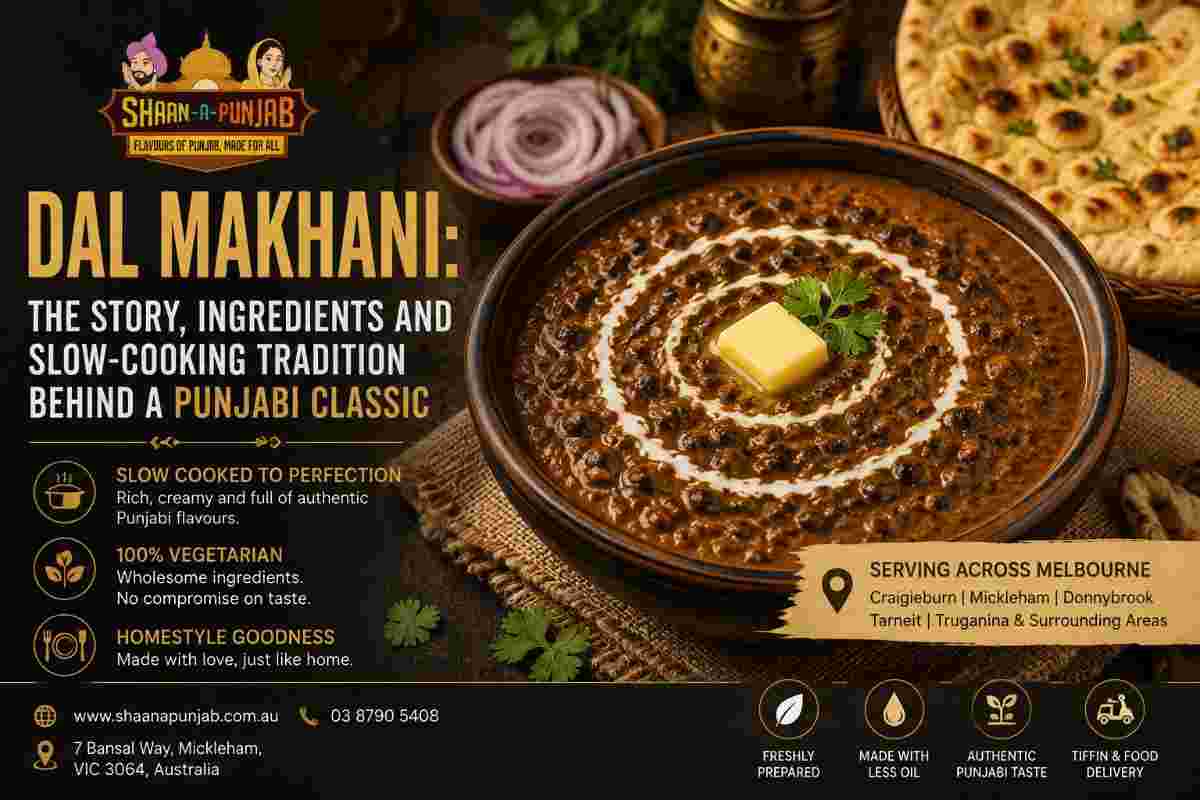
Some Indian dishes are remembered for their heat. Others are remembered for their aroma. Dal Makhani is remembered for its texture and depth.
It is dark, creamy, buttery and gently spiced, with a flavour that develops rather than arriving all at once. The dish is built around whole black urad dal and, in many versions, rajma (kidney beans). These are cooked until tender before being brought together with tomato, ginger, garlic, spices and butter or ghee. Cream is commonly used to finish the dish.
But calling Dal Makhani simply a "creamy lentil curry" misses what makes it special. Its character comes from the lentils, the cooking time and the way the flavours are layered.
Where Did Dal Makhani Come From?
There is an interesting story behind Dal Makhani because the dish has both older Punjabi roots and a relatively modern restaurant history.
Black urad-based dal has long been part of Punjabi and wider north-western Indian cooking. Preparations such as maa ki dal or maash di dal were traditionally much simpler than the rich restaurant-style Dal Makhani known today.
The modern version became associated with Moti Mahal in Delhi after Partition, through Punjabi cooks who had migrated from Peshawar. The dish developed from the older black-dal tradition, with butter, tomato and cream helping create the richer preparation that eventually became famous across India and internationally.
So there is an important distinction worth knowing: the ingredients and tradition behind black dal are older, while the familiar restaurant-style Dal Makhani is a more modern development.
That history is part of what makes the dish fascinating.
Why Is It Called Dal Makhani?
The name gives you a clue.
Dal refers to pulses or lentils, while makhani comes from makhan, the Punjabi word associated with butter. In simple terms, Dal Makhani refers to a buttery style of dal.
Butter isn't simply there as decoration. It contributes richness and helps give the finished dal its smooth mouthfeel.
Of course, different cooks use different quantities of butter, cream and ghee. That's why one bowl of Dal Makhani can taste noticeably different from another.
The Ingredients Behind a Good Dal Makhani
The ingredient list isn't particularly complicated. Getting the balance right is the harder part.
Whole Black Urad Dal
This is the heart of the dish.
Whole urad has a black outer skin and a pale interior. When cooked for a long time, it releases starch and gradually develops the thick, creamy texture associated with Dal Makhani.
Using a different type of lentil can produce a tasty dal, but it won't have exactly the same texture or character.
Rajma
Red kidney beans are commonly combined with black urad.
They add another layer of texture and contribute body to the finished dish. The proportion varies between recipes, with the black lentil generally remaining the dominant ingredient.
Tomato
Tomato brings acidity and balances the richness of the butter and cream.
A good tomato base shouldn't simply taste sour. It needs to cook down properly so its sharpness becomes part of a deeper savoury flavour.
Ginger and Garlic
These two ingredients form an important aromatic foundation.
Ginger gives warmth and freshness, while garlic contributes a deeper savoury note. When cooked properly with the onion and tomato base, their raw sharpness disappears and they become part of the overall flavour.
Butter, Ghee and Cream
This is where the "makhani" character comes in.
Butter contributes richness, while cream can give the finished dal a smoother texture. Some traditional or home-style versions use less dairy than the restaurant versions people may be familiar with.
There isn't one universal recipe.
Kasuri Methi
Dried fenugreek leaves are often used towards the end of cooking.
A small amount can make a noticeable difference. It gives the dal a distinctive earthy, slightly bitter and aromatic finish that works particularly well with the rich base.
Why Slow Cooking Matters So Much
This is probably the most important part of understanding Dal Makhani.
You can cook the lentils until they're technically soft and still end up with an average bowl of dal.
The texture and flavour develop further when the cooked lentils are allowed to simmer gently with the masala for an extended period.
As the lentils continue cooking:
- Their starch thickens the sauce.
- The individual flavours become less harsh.
- The tomato base becomes deeper.
- The lentils become softer.
- Butter and cream integrate into the sauce.
- The overall flavour becomes more rounded.
Traditional and restaurant preparations often rely on long, slow cooking for precisely this reason.
That's also why rushing the final simmer can make a noticeable difference.
What Does Authentic Dal Makhani Taste Like?
A good Dal Makhani shouldn't taste like a bowl of butter with lentils added to it.
The best versions have layers.
First comes the richness. Then you notice the cooked tomato, ginger and garlic. The spices sit underneath rather than completely dominating the dish. The lentils provide an earthy base, while butter and cream soften the overall flavour.
The texture should be thick and creamy without becoming completely smooth like a purée.
There should still be enough character in the lentils and beans to remind you what you're eating.
And while chilli can certainly be present, good Punjabi food isn't automatically defined by extreme heat. Spice is about balance, aroma and depth as much as it is about chilli.
Dal Makhani vs Ordinary Dal: What's the Difference?
Calling every lentil dish "dal" doesn't tell you much.
Indian cuisine has an enormous variety of dals, and they can differ in ingredients, texture and cooking method.
A simple yellow dal might cook relatively quickly and have a lighter consistency.
Dal Makhani is different because it relies on:
Whole black urad + rajma + slow cooking + a rich masala + butter/ghee + finishing ingredients
That combination creates a much heavier, creamier and more developed flavour.
It's also why Dal Makhani tends to be associated with special meals and restaurant menus rather than being treated exactly like every other everyday dal.
How Is Dal Makhani Traditionally Served?
There are plenty of ways to enjoy it, but the combination of dal and Indian bread is hard to beat.
Fresh roti, naan or other flatbreads work well because they can pick up the thick curry.
Rice is another classic pairing. Jeera rice, basmati rice or simple steamed rice all provide a mild base that lets the dal remain the star.
A little fresh coriander can add freshness, while yoghurt or a simple salad can provide contrast to the richness.
Why Dal Makhani Works So Well as Vegetarian Comfort Food
One of the most interesting things about Dal Makhani is how satisfying it can be without meat.
The combination of whole lentils, kidney beans and a rich cooking method gives the dish considerable body. It's hearty enough to stand alongside breads or rice as the main part of a meal.
That's one reason it has remained such an important dish in vegetarian Indian cooking.
It also fits naturally into a tiffin-style meal, where the aim isn't simply to provide one impressive curry but to create something filling and enjoyable for regular eating.
The Punjabi Approach to Flavour
Punjabi cooking is often described as bold, but that doesn't mean throwing every available spice into the pot.
With dishes such as Dal Makhani, the flavour comes from building the base properly.
The onion, ginger, garlic and tomato need time to cook. Whole spices need to release their aroma. The lentils need enough time to soften and thicken the sauce. Finally, butter, cream or fenugreek can be used to bring the flavours together.
It's a process rather than a shortcut.
And that's something you can usually taste.
Dal Makhani in a Melbourne Vegetarian Food Culture
Melbourne has a huge range of Indian food, from quick takeaway to regional restaurants and home-style meal services.
For someone eating Indian food regularly, however, the question isn't always "Where can I get the richest curry?"
It can be:
"Where can I get vegetarian food that I could genuinely enjoy as part of my regular meals?"
That's where home-style Punjabi cooking has a different appeal.
The focus is on familiar ingredients, balanced seasoning and food that works as an actual meal rather than simply an occasional indulgence.
Shaan-A-Punjab's Take on Vegetarian Punjabi Food
This is the style of food that sits at the centre of Shaan-A-Punjab.
The Melbourne-based business specialises in vegetarian Indian and Punjabi food, with a menu built around familiar home-style dishes rather than a meat-heavy Indian restaurant format.
Dal Makhani is part of that wider vegetarian offering, alongside dishes such as Kadhi Pakoda, Butter Paneer Tikka Masala, Fried Aloo Gobi, Methi Malai Matar, Special Thali and Soya Chaap Thali.
The menu also extends beyond curries into Punjabi favourites such as Choley Bhature, Paneer Stuffed Bhatura and Rumali Roti, along with snacks and sweets.
That variety is important because Punjabi vegetarian food is much broader than the few dishes that tend to dominate Indian takeaway menus.
Shaan-A-Punjab also offers tiffin and Indian food services across Melbourne, with service areas including Craigieburn, Mickleham, Donnybrook, Tarneit and Truganina, according to its website. Customers outside the listed areas can check availability based on their postcode. Shaan-A-Punjab
What Should You Look For in a Good Dal Makhani?
If you're trying Dal Makhani at different restaurants, don't judge it only by how creamy it looks.
Pay attention to:
Texture
It should be thick and smooth but still retain some character from the lentils and beans.
Balance
Butter and cream shouldn't completely overpower the lentils.
Acidity
Tomato should provide balance rather than leaving the curry noticeably sour.
Spice
You should be able to taste the underlying ingredients, not just chilli.
Aroma
Ginger, garlic, whole spices and fenugreek should contribute to the fragrance.
Finish
The flavour should remain on the palate without feeling excessively oily.
These small details can tell you a surprising amount about how carefully the dish has been prepared.
The Real Appeal of Dal Makhani
Dal Makhani isn't impressive because it contains exotic ingredients.
In fact, that's almost the opposite of its appeal.
Black lentils, kidney beans, tomatoes, ginger, garlic, spices and butter are relatively straightforward ingredients. The magic comes from patience and technique.
The older black-dal tradition provides the foundation. Punjabi cooking gives it character. The later Delhi restaurant tradition transformed it into the rich dish recognised around the world today.
That combination of history, technique and comfort is what makes Dal Makhani more than just another item on an Indian menu.
It is a dish that shows how Indian food evolves while still keeping a strong connection to its regional roots.
Want to Try Punjabi Vegetarian Food in Melbourne?
If you'd rather enjoy these flavours than spend hours preparing them yourself, Shaan-A-Punjab offers vegetarian Punjabi meals and tiffin options across its Melbourne service areas.
Explore the menu, check whether your postcode is covered, or get in touch with the team:
Visit: www.shaanapunjab.com.au
Note: The historical origin of Dal Makhani is sometimes described differently across food sources. The safest description is that the dish draws on older Punjabi black-dal traditions and that the modern rich, restaurant-style form is strongly associated with Punjabi cooks and Moti Mahal in post-Partition Delhi. This article deliberately avoids presenting one disputed origin story as absolute fact.