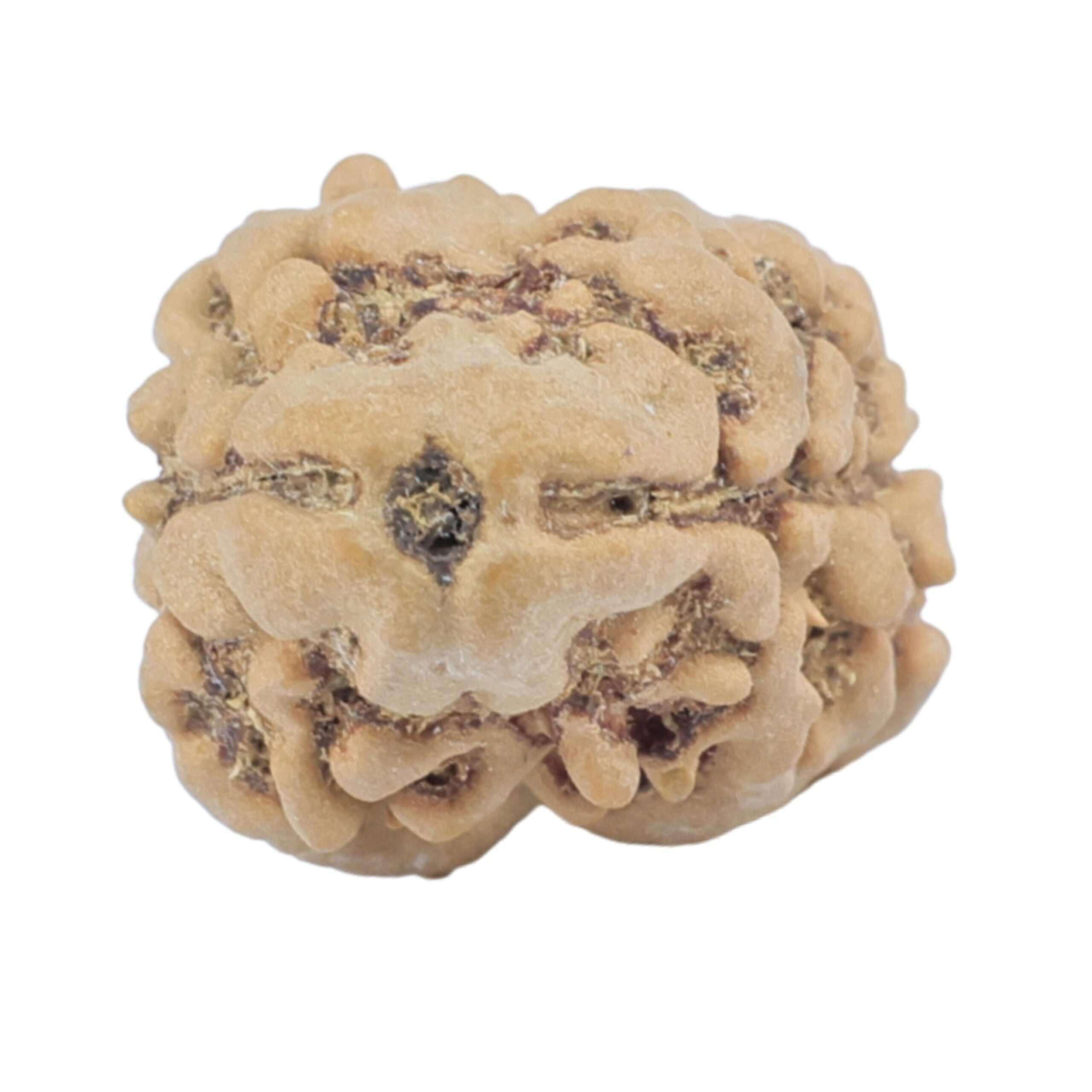
Dashavatar Shaligram: Significance, Types and Why Devotees Choose It
-

- Published Updated
- 34 views
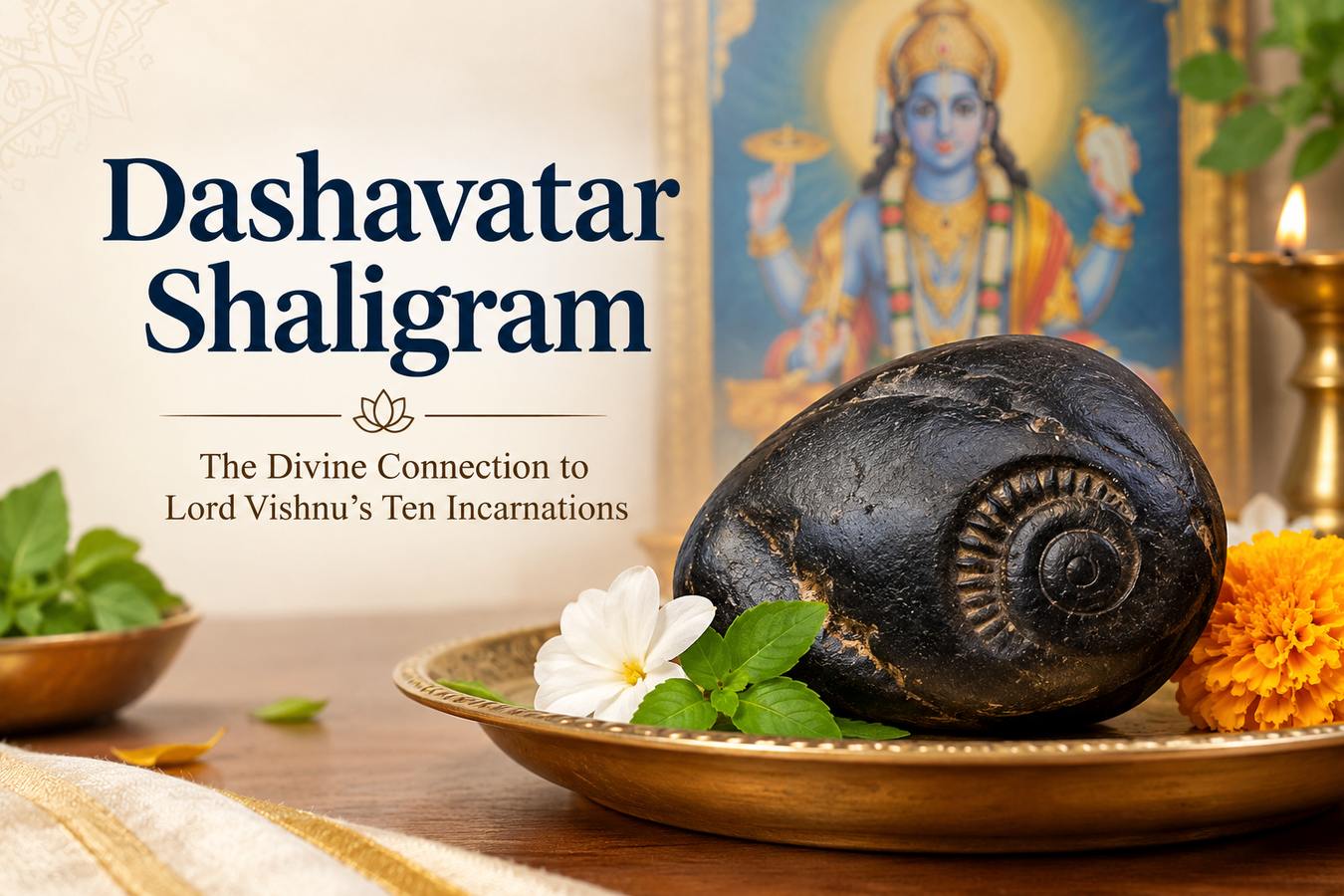
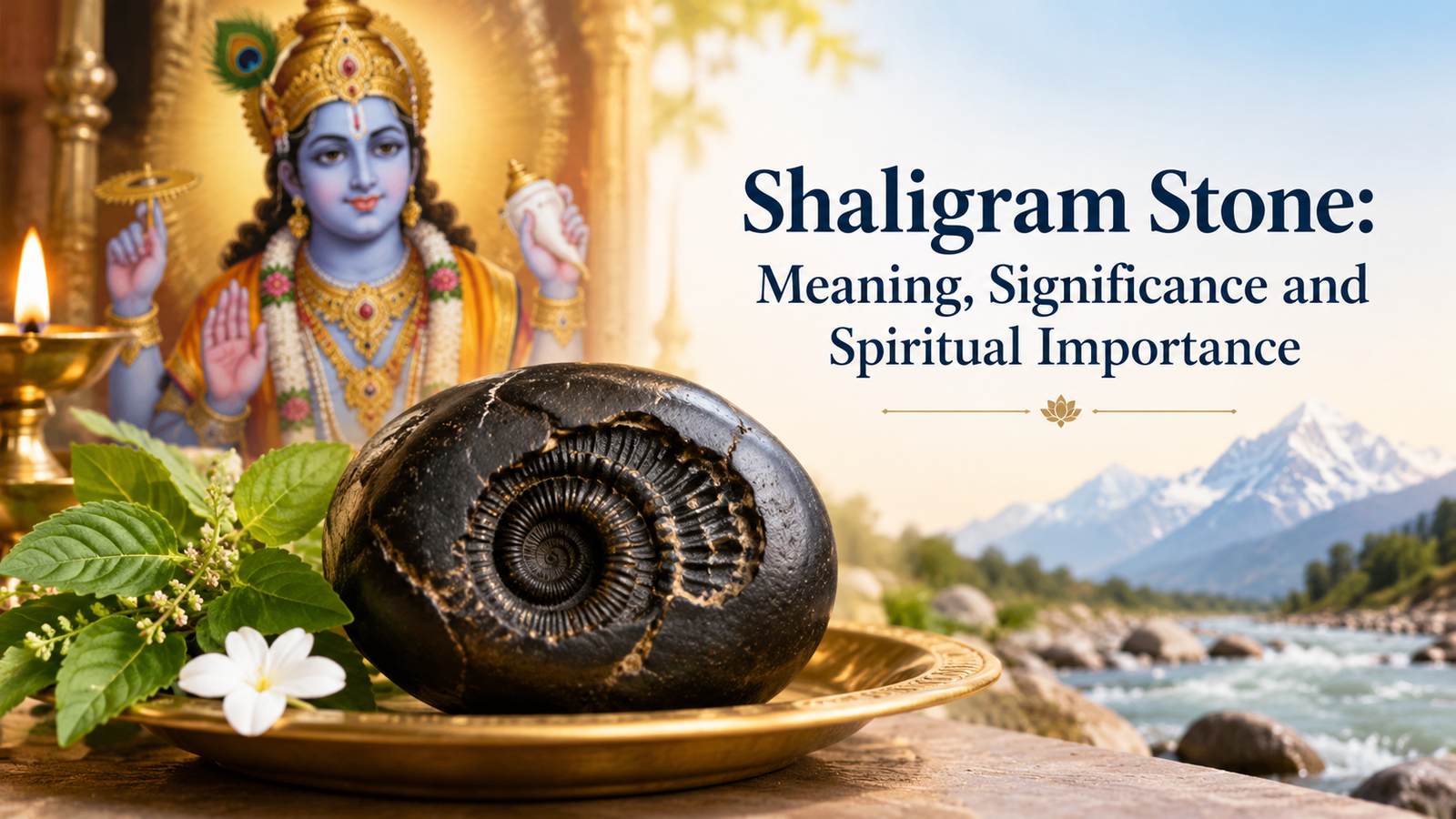
Dashavatar Shaligram holds a special place in Vaishnav tradition and is valued by devotees who have a deep connection with Lord Vishnu. Shaligram stones are naturally occurring sacred stones traditionally associated with Lord Vishnu, and different forms and markings are interpreted according to their spiritual significance.
Among the many varieties available, Dashavatar Shaligram is particularly meaningful because it represents the ten traditional incarnations (Dashavatars) of Lord Vishnu. For devotees looking to bring a spiritually significant Shaligram into their home, understanding its symbolism, traditional importance, and authenticity is essential.
What Is Dashavatar Shaligram?
Dashavatar Shaligram refers to Shaligram stones traditionally connected with the ten principal incarnations of Lord Vishnu. These incarnations are commonly identified as Matsya, Kurma, Varaha, Narasimha, Vamana, Parashurama, Rama, Krishna, Buddha, and Kalki, although traditions may vary in how the ten avatars are listed.
Shaligrams are naturally formed stones found traditionally in the Gandaki River region of Nepal. Their distinctive natural markings, chakras, lines, and formations are interpreted within religious traditions and are an important part of their spiritual identity.
For devotees, a Dashavatar Shaligram is not simply a decorative stone. It can represent devotion to Vishnu and the divine principle of preserving dharma.
https://rudrakshandgems.com/collections/dashavatar-shaligram
The Spiritual Significance of Dashavatar Shaligram
The Dashavatar concept describes the different manifestations of Lord Vishnu through which divine protection and restoration of dharma are traditionally understood.
Each avatar has a distinct story and symbolism:
- Matsya – associated with the fish incarnation and protection.
- Kurma – the tortoise incarnation connected with stability and the churning of the ocean.
- Varaha – associated with the boar incarnation and the restoration of the Earth.
- Narasimha – the half-man, half-lion incarnation representing protection and the destruction of evil.
- Vamana – the dwarf incarnation associated with humility and divine wisdom.
- Parashurama – traditionally associated with discipline and the restoration of righteousness.
- Rama – regarded as an embodiment of dharma and righteous conduct.
- Krishna – associated with devotion, wisdom, and divine guidance.
- Buddha – included as an avatar in some Vaishnav traditions.
- Kalki – the future incarnation traditionally associated with the restoration of dharma.
Because of this symbolism, Dashavatar Shaligram can have a meaningful place in a Vishnu-focused devotional space.
Why Do Devotees Keep Shaligram at Home?
Shaligram worship has a long-standing place in Hindu devotional traditions. Many Vaishnav devotees keep Shaligram in their home shrine and include it in their daily prayers.
A simple devotional routine may include cleaning the Shaligram according to one's family tradition, offering water, flowers, Tulsi leaves, and prayers, and maintaining a clean and respectful worship space.
The purpose is primarily devotional rather than decorative. The practice allows devotees to create a regular connection with their spiritual beliefs.
Natural Formation Makes Shaligram Special
One of the unique characteristics of Shaligram stones is that they are naturally occurring. Their markings are not traditionally considered something that should be artificially carved to create a particular appearance.
Natural chakras, patterns, holes, lines, and surface formations contribute to how different Shaligrams are identified and interpreted within traditional practices.
This is also why buyers should be careful when choosing a Shaligram. A visually attractive stone is not necessarily a traditionally significant or authentic Shaligram.
How to Choose an Authentic Dashavatar Shaligram
If you are planning to purchase Dashavatar Shaligram, consider the following factors:
1. Check the Natural Structure
Look carefully at the stone's natural surface, shape, markings, and formations. Avoid stones that appear artificially carved or manufactured.
2. Ask About the Source
A reliable seller should be able to provide clear information about the Shaligram's origin and traditional identification.
3. Choose a Transparent Seller
The seller should clearly describe the stone rather than making exaggerated promises about guaranteed results.
4. Ask About Authenticity
For valuable or rare Shaligrams, ask whether appropriate authenticity information or documentation is available.
5. Understand the Tradition
Before buying, learn about the particular form of Shaligram you are interested in. This helps you make an informed choice rather than purchasing solely because of a marketing claim.
Why Choose Dashavatar Shaligram?
For someone interested in Vaishnav traditions, Dashavatar Shaligram can be a meaningful addition to a home temple or personal collection. Its connection with the ten avatars of Vishnu gives it a broader symbolic meaning than a stone chosen purely for its appearance.
It can also make a thoughtful spiritual gift for someone who regularly follows Vishnu worship or has an interest in traditional Hindu practices.
However, it is important to remember that spiritual benefits associated with Shaligram are based on religious traditions and personal faith, not established scientific evidence.
Where to Buy Dashavatar Shaligram?
When purchasing a Dashavatar Shaligram, authenticity and transparency should be your first priorities. Look for a seller specializing in traditional spiritual products and one that provides clear details about the Shaligram rather than relying on exaggerated claims.
Harshiv Ganga is a name that can be explored by devotees looking for traditional Rudraksha and spiritual products. When considering a Dashavatar Shaligram, buyers should review the available product details, natural characteristics, sourcing information, and authenticity options before making a purchase.
A trustworthy seller should help customers understand what they are buying rather than simply encouraging a sale.
Final Thoughts
Dashavatar Shaligram represents the rich spiritual tradition surrounding Lord Vishnu and His ten celebrated incarnations. From Matsya and Kurma to Rama, Krishna, and the traditionally anticipated Kalki avatar, the Dashavatar concept reflects the idea of divine intervention and the preservation of dharma.
For devotees, choosing a Shaligram is ultimately a personal spiritual decision. Take time to understand its traditional significance, verify its authenticity, and choose a reputable source.
Whether kept in a home temple, used during devotional practices, or preserved as part of a spiritual collection, a naturally formed Dashavatar Shaligram can serve as a meaningful reminder of faith, devotion, and the enduring traditions associated with Lord Vishnu.