Affordable Window Treatments: A Practical Guide to Cozy, Budget-Friendly Home Decor
-
- March 02nd, 2026
- 214 views
Detected intent: Informational
The right affordable window treatments can transform a room—adding softness, privacy, and insulation—while staying within a budget. This guide explains how to choose, fit, and style budget-friendly options so rooms feel warmer, quieter, and more polished with minimal expense.
- Measure carefully, prioritize function (light control, privacy, insulation), then style.
- Mix low-cost functional layers (cellular shades, blackout liners) with inexpensive decorative curtains.
- Use the WINDOW Checklist for decisions and follow the step-by-step installation tips below.
Affordable window treatments: choose the right option
Start by identifying what matters most—natural light, privacy, room temperature, or aesthetic. Popular low-cost choices include roller shades, tension-rod curtains, budget Roman shades, cellular (honeycomb) shades for insulation, and adhesive privacy film. When energy-saving or draft reduction is needed, combining inexpensive thermal liners with curtains often gives the best return.
Named framework: the WINDOW Checklist
Use this checklist to make consistent decisions for each window:
- What is the main goal? (privacy, blackout, insulation, decoration)
- Insulation needs: single-pane or drafty windows benefit from cellular shades or thermal liners
- Natural light: decide how much daylight should be preserved or blocked
- Dimensions: measure width and height precisely (see measuring steps below)
- Overlap and hardware: allow extra width for curtain fullness and bracket placement
- Work within budget: prioritize function first, then add style with affordable fabric or thrift finds
Step-by-step: how to install budget window treatments
1. Measure correctly
Measure the window frame and the desired coverage: for outside-mount curtains, add 4–10 inches to each side and 6–12 inches above to make windows look larger. For inside-mount shades, measure the exact frame width at three points and use the smallest measurement. Accurate measuring avoids returns and wasted purchases.
2. Choose layering and hardware
Combine a functional inner layer (roller, cellular, or blackout shade) with an outer decorative layer (curtains or lightweight sheers). Use inexpensive tension rods for small windows or low-cost metal rods with brackets for standard installs. Choose curtain widths that are 1.5–2 times the window width for a full look.
3. Install in stages
Install shades first, then curtain rods. For easy, no-drill solutions, use tension rods or adhesive hooks rated for the weight. For heavier drapery, anchor brackets into wall studs or use the proper drywall anchors.
Real-world example
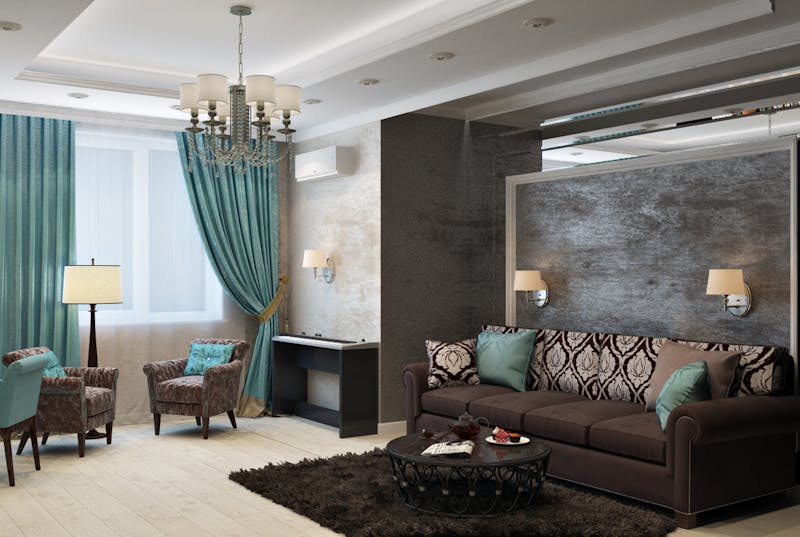
Living room scenario: a north-facing living room has two drafty single-pane windows and looks bland. Solution: install cellular shades (budget models) to reduce drafts and improve insulation, then hang inexpensive linen-look curtains on a single rod mounted higher than the frame to add height. Add blackout liners for evening TV viewing. Result: warmer room, softened acoustics, and an elevated look at under half the cost of custom drapes.
Practical tips (quick, actionable)
- Buy curtain panels slightly longer than needed and hem them for a custom look; raw hems are less expensive than custom lengths.
- Use a tension rod and café curtains in bathrooms—no drilling and good privacy control.
- Prioritize window treatments for the rooms used most: living room, bedroom, and the coldest rooms first.
- When energy savings matters, add thermal liners or cellular shades; see ENERGY STAR guidance on window upgrades for context here.
Trade-offs and common mistakes
Common mistakes
- Buying off-the-shelf widths without measuring: panels can look too narrow and leave gaps.
- Choosing only decor over function: pretty curtains that don’t block drafts or light defeat the purpose.
- Underestimating hardware strength: thin rods will bow under heavy panels, creating an amateur finish.
Trade-offs to consider
Higher insulation typically costs more up front (cellular shades > simple roller shades), but energy-saving options reduce heating/cooling needs. Decorative curtains are inexpensive but add little insulation; pairing a low-cost functional blind with an affordable curtain balances cost and performance. Decide whether the first priority is style, privacy, or energy efficiency and allocate budget accordingly.
Related core questions (internal linking targets)
- How do I choose affordable window treatments for small windows?
- What are the most energy-efficient budget window coverings?
- How to measure windows for curtains and blinds?
- Which window treatments offer the best privacy on a tight budget?
- Can DIY window treatments look professional?
Installation checklist
Before ordering, run through this quick checklist:
- Measure width and height at three points.
- Decide inside- or outside-mount.
- Choose primary function (light, privacy, insulation).
- Pick hardware rated for combined weight of shade + curtains.
- Confirm return/alteration policies in case adjustments are needed.
Common materials and terms to know
Thermal/insulated liners, cellular (honeycomb) shades, blackout liners, Roman shades, roller shades, drapery rods, tension rods, privacy film, and grommet vs. rod-pocket curtains. Familiarity with these terms helps when comparing prices or reading product specs.
FAQ
What are affordable window treatments that still look stylish?
Pair a low-cost shade (roller or cellular) for function with inexpensive linen-look curtain panels for style. Hem inexpensive panels to fit and add simple trim or a contrasting rod to upgrade the look without major expense.
How much should be spent on window treatments per room?
Budget varies by room: a good rule is to allocate more for rooms used daily (living room, master bedroom) and less for secondary spaces. For a budget-conscious approach, aim to spend 30–40% of a room’s decor budget on window treatments if insulation or privacy is important; otherwise 10–20% can be sufficient.
Do cheap window treatments save energy?
Basic curtains alone have limited insulating power. Combining thermal liners or cellular shades with curtains improves energy performance significantly. For documented guidance on window efficiency and resulting savings, consult ENERGY STAR's recommendations.
Can curtains be shortened or lengthened affordably?
Yes. Curtains can be hemmed or have hems let out; simple sewing or a local alterations service is inexpensive. Iron-on hem tape is a no-sew option for a quick fix.
Are affordable window treatments easy to install without tools?
Many options are tool-free: tension rods, adhesive hooks, and peel-and-stick privacy films require no drilling. For sturdier installs, a drill and anchors are recommended for bracket-mounted rods.