Digital Voice Recorder Market Shifts Reshaping Recording Technology and Demand
-

- Published Updated
- 3,885 views
Introduction
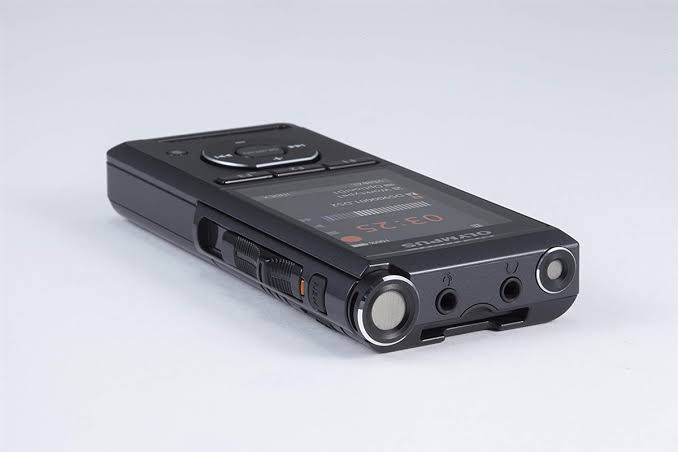
The digital voice recorder market is undergoing significant shifts as recording technology becomes more compact, intelligent, connected, and application-specific. Digital voice recorders have evolved beyond basic devices designed only to capture spoken audio. Modern products increasingly combine high-quality microphones, noise reduction, internal storage, wireless connectivity, voice activation, transcription capabilities, and software integration.
These changes are influencing purchasing decisions across professional, educational, legal, healthcare, media, government, and personal applications. At the same time, smartphones and multifunctional devices have created competitive pressure, encouraging recorder manufacturers to differentiate their products through specialized capabilities and superior audio performance.
The current market shifts therefore reflect not only technological development but also changing user expectations, workplace practices, data requirements, and recording environments.
Shift Toward Intelligent Recording
One of the most important changes in the digital voice recorder market is the transition from simple recording hardware toward intelligent audio solutions. Traditional recorders primarily stored audio files, leaving users to manually organize, review, and transcribe recordings.
Newer devices increasingly incorporate intelligent features that help users manage recorded information more efficiently. Automatic noise reduction, voice detection, speaker separation, recording optimization, and automated transcription can reduce the time required to process lengthy recordings.
This shift is particularly valuable for professionals who generate large volumes of spoken content. Meetings, interviews, lectures, consultations, field observations, and research sessions can produce hours of audio that would otherwise require substantial manual effort to review.
Growing Demand for Compact and Portable Devices
Portability remains a major factor shaping product development. Users increasingly expect recording equipment to be lightweight, discreet, durable, and easy to carry throughout the day.
Manufacturers are responding by reducing device dimensions while improving battery performance and storage capacity. Compact recorders can be particularly useful for journalists, investigators, students, researchers, sales professionals, and field workers who need reliable recording without carrying bulky equipment.
The emphasis on portability also extends to controls and usability. Simple interfaces, quick-start recording buttons, clear displays, and fast file transfer can make a device more practical in situations where users need to begin recording immediately.
Professional Audio Quality Becomes a Key Differentiator
Another important market shift is the stronger focus on audio quality. Consumers can already record voice using smartphones, creating a challenge for standalone digital voice recorder manufacturers.
To remain competitive, specialized recorders increasingly emphasize microphone sensitivity, directional recording, stereo capture, low-noise performance, and enhanced speech clarity. Some devices are designed specifically for environments with background conversations, outdoor noise, or distant speakers.
For professional users, high-quality audio can be more valuable than having numerous general-purpose features. Journalists conducting interviews, researchers documenting fieldwork, and legal professionals recording important conversations may prioritize clarity and reliability over entertainment-oriented functionality.
Integration With Smartphones and Computers
Digital voice recorders are also becoming more integrated with broader digital ecosystems. Earlier devices often required users to connect recorders manually to computers for file transfer. Modern products increasingly support wireless connectivity, mobile applications, cloud synchronization, and simplified file management.
This development is changing how recorded information moves from capture to storage and analysis. Users can record audio on a dedicated device and subsequently transfer files to a smartphone, tablet, or computer for editing, transcription, sharing, or archiving.
Such integration strengthens the role of the digital voice recorder as part of a larger productivity workflow rather than an isolated electronic product.
Artificial Intelligence and Automated Transcription
Artificial intelligence is creating one of the most transformative shifts in the digital voice recorder market. Automated speech recognition can convert recorded conversations into searchable text, reducing the need for manual transcription.
For business users, this capability can improve meeting documentation and information retrieval. Students can use transcripts to organize lectures, while journalists can search interview content more efficiently. Researchers may also benefit from quickly converting recorded discussions into text for analysis.
However, AI-enabled recording also introduces expectations around accuracy, privacy, language support, and processing speed. Manufacturers that successfully combine reliable hardware with practical intelligent software can create stronger value propositions than companies offering basic recording functionality alone.
Increased Attention to Privacy and Data Security
As recording devices become more connected, privacy and data security are becoming increasingly important market considerations. Audio recordings may contain confidential business discussions, personal information, interviews, medical conversations, or sensitive research data.
Users are therefore paying greater attention to secure file storage, access controls, encryption, authentication, and safe data transfer. Organizations may also establish stricter internal policies governing where and how recordings can be stored.
This shift is encouraging manufacturers to consider security as part of product design rather than treating it as an optional feature. Products targeted at professional and institutional users may increasingly compete on their ability to protect recorded information throughout its lifecycle.
Expansion Across Specialized Applications
The use of digital voice recorders is becoming more diversified. Education remains an important application, particularly for recording lectures, study materials, interviews, and research discussions. Corporate users employ recorders for meetings, training sessions, interviews, and documentation.
Healthcare-related applications can include professional dictation and documentation, subject to applicable privacy and operational requirements. Legal professionals, investigators, journalists, researchers, and government personnel can also require specialized recording solutions.
This diversification is creating opportunities for manufacturers to develop application-focused devices instead of relying exclusively on one general-purpose recorder design.
Competition From Smartphones
Smartphones remain one of the strongest forces influencing the digital voice recorder market. Most modern smartphones can record audio, store large quantities of data, and provide access to numerous recording applications.
This creates a fundamental challenge for standalone recorders: consumers must have a clear reason to purchase a separate device.
The response from specialized manufacturers has increasingly centered on advantages that smartphones may not consistently provide, such as dedicated physical controls, optimized microphones, extended recording capabilities, professional audio formats, longer battery life, discreet operation, and specialized workflows.
Consequently, the market is gradually becoming more focused on professional and purpose-built use cases where dedicated hardware offers meaningful advantages.
Changing Consumer Expectations
Consumers now expect electronic devices to be easy to operate, fast, reliable, and compatible with their existing digital environments. These expectations are influencing every stage of digital voice recorder development.
Users increasingly want quick setup, intuitive menus, simple file organization, long battery endurance, and flexible storage. They may also expect multiple recording formats and convenient methods for transferring files.
Product value is therefore increasingly determined by the complete user experience rather than by recording capacity alone. Manufacturers that reduce friction between recording, storage, transcription, editing, and sharing can strengthen customer appeal.
Regional and Industry-Level Shifts
Demand patterns are also changing across regions and industries. Developed markets often demonstrate strong demand for professional recording equipment featuring sophisticated audio and connectivity functions. Emerging economies present opportunities as educational institutions, businesses, government organizations, and individual professionals adopt more digital documentation practices.
Industrial development and workplace digitization can further support demand for specialized recording devices. As organizations become more dependent on digital records, reliable methods of capturing spoken information can become part of broader documentation strategies.
Local preferences, regulatory requirements, language diversity, purchasing power, and technological infrastructure will continue influencing product adoption across different markets.
Sustainability and Product Lifecycle Considerations
Sustainability is emerging as another consideration in electronics purchasing. Users and organizations are increasingly interested in products that offer durability, longer operating life, repairability, efficient power consumption, and reduced electronic waste.
For digital voice recorder manufacturers, improving component durability and battery performance can extend product lifecycles. Efficient packaging and responsible material choices may also influence purchasing decisions, particularly among institutional and corporate customers.
A longer product lifespan can provide an additional competitive advantage by reducing replacement frequency and improving overall ownership value.
Future Direction of the Market
The future trajectory of the digital voice recorder market is likely to center on intelligent, connected, secure, and highly specialized products. Hardware improvements will continue, but software capabilities may increasingly determine product differentiation.
AI-assisted transcription, multilingual speech recognition, searchable recordings, automated summaries, enhanced noise suppression, and cloud-connected workflows could become more prominent. At the same time, privacy controls and local processing options may gain importance as users become more conscious of how sensitive audio data is handled.
The market may consequently divide further between basic low-cost recording devices and advanced professional systems designed to support complete information-management workflows.
Conclusion
The digital voice recorder market is shifting from standalone audio-capture equipment toward intelligent productivity and documentation platforms. Portability, audio quality, connectivity, artificial intelligence, privacy, and application-specific functionality are reshaping product development and purchasing behavior.
While smartphones continue to challenge traditional recorders, specialized devices can maintain relevance by delivering superior recording performance, dedicated controls, professional workflows, and purpose-built capabilities. The most successful products are likely to be those that combine dependable hardware with intelligent software while addressing evolving expectations around convenience, security, and data management.
As these market shifts continue, digital voice recorders are positioned to remain valuable tools wherever accurate, efficient, and dependable spoken-information capture is essential.
Learn more: https://www.pristinemarketinsights.com/digital-voice-recorder-market-report