7 Essential Dining Room Accessories to Instantly Elevate Your Space
-

- Published Updated
- 1,441 views
Carefully chosen dining room accessories can transform a functional eating area into a welcoming, stylish space. This guide highlights seven practical and decorative categories of dining room accessories with tips on scale, materials, and placement to help refine interior design decisions.
- Focus on scale and proportion: accessories should relate to the table and room size.
- Mix function and style: choose pieces that improve usability and aesthetics.
- Prioritize materials and maintenance based on lifestyle and durability needs.
- Layer lighting and textiles to add warmth and definition.
Top 7 Dining Room Accessories to Elevate Your Space
1. Statement and Layered Lighting
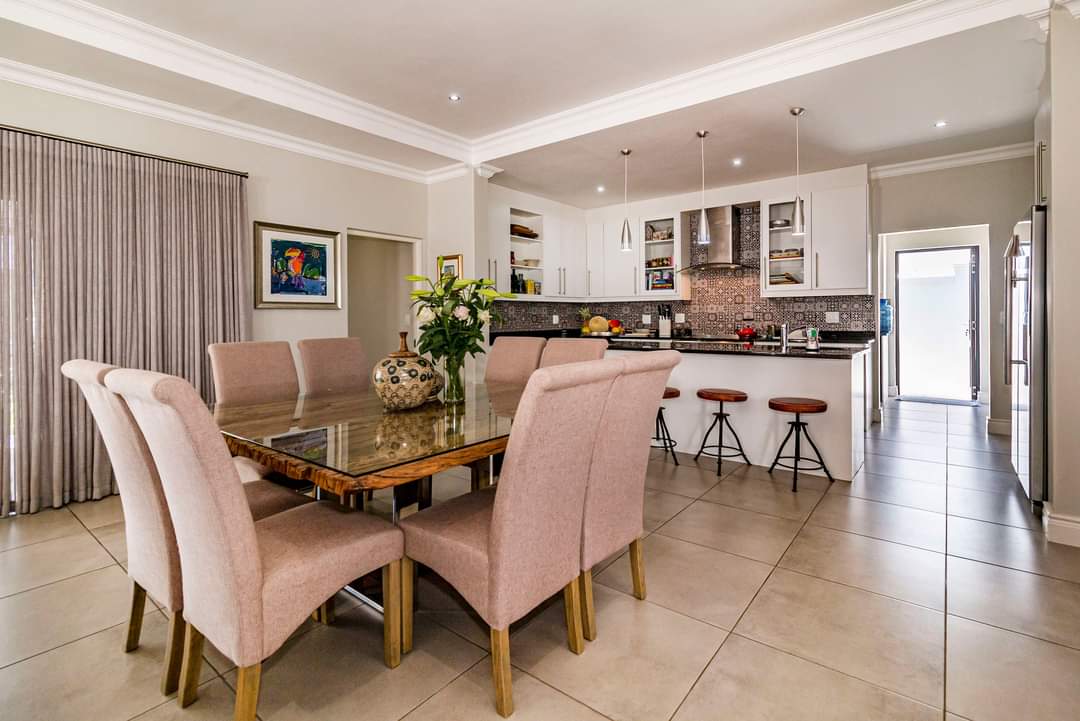
Lighting defines mood and visibility. A statement fixture—such as a pendant or chandelier—centers the table and sets a visual focal point. Complement overhead lighting with dimmable controls and secondary sources like wall sconces or a buffet lamp to create layered, adjustable illumination for meals and gatherings. Consider bulb color temperature (warm tones for dining) and fixtures sized to the table dimensions to maintain balance.
2. Tableware and Serveware
Quality tableware and serveware improve the dining experience and staging for guests. Essential pieces include dinner plates, bowls, serving platters, and a basic set of flatware. Choose finishes and materials that match the room’s aesthetic—porcelain, stoneware, or stainless steel are durable options. For frequent entertaining, consider stacking pieces for easy access and storage.
3. Textiles: Placemats, Runners, and Napkins
Textiles add color, texture, and protection. Placemats and table runners delineate place settings and protect surfaces from spills. Cloth napkins elevate formality and can be coordinated with a centerpiece or tableware for a cohesive look. Select fabrics that are washable or stain-resistant when practical; natural fibers like cotton and linen provide breathability while blends may offer easier care.
4. Centerpieces and Decorative Objects
A well-proportioned centerpiece anchors the table without interrupting conversation. Low arrangements—such as a tray with candles, a sculptural bowl, or a compact floral display—balance aesthetics and function. Seasonal swaps allow visual variety; however, maintain unobstructed sightlines and avoid overly tall pieces that block views across the table.
5. Area Rugs and Flooring Accents
An area rug beneath the dining table defines the zone and adds acoustic dampening. Choose a rug large enough so chairs remain on the rug when pulled back; a common guideline is to allow 24–30 inches of rug beyond the table edge. Durable, stain-resistant fibers and low-pile options suit high-traffic environments. When paired with hardwood or tile, rugs also introduce pattern and softness.
6. Storage and Serving Furniture
Sideboards, buffets, and cabinets provide functional storage for tableware, table linens, and glassware. These pieces can double as serving surfaces during gatherings. Select storage units that coordinate with the dining table’s scale and include features like adjustable shelves or drawers for versatile organization. Thoughtful placement improves workflow between kitchen and dining areas.
7. Wall Art, Mirrors, and Decorative Accents
Wall-mounted accessories complete the room’s visual story. Mirrors increase perceived space and reflect light, useful in smaller or dim dining rooms. Art should be hung at eye level and sized to the wall to avoid feeling lost. Consider grouping smaller pieces into a gallery arrangement or choosing one large statement work to anchor the space.
Design Considerations: Scale, Materials, and Sustainability
Attention to scale and proportion is essential when selecting dining room accessories. Items should complement the table and room dimensions to avoid visual clutter. Material choices—wood, metal, glass, textiles—affect durability and maintenance; for example, sealed wood resists moisture while stainless steel resists corrosion. For guidance on materials and accessibility in interior design, refer to professional organizations such as the American Society of Interior Designers and industry standards from the National Kitchen & Bath Association (NKBA). For design resources and professional best practices, see the American Society of Interior Designers.
Practical Tips for Buying and Arranging Accessories
Measure first
Measure table dimensions, ceiling height, and wall space before purchasing large items like lighting or rugs.
Prioritize multiuse pieces
Choose accessories that serve more than one function—storage that doubles as serving space or decorative trays that organize items—especially in smaller homes.
Choose a cohesive color palette
Limit the primary palette to two or three tones and introduce accents through textiles or centerpiece items to maintain visual harmony.
Maintenance and Care
Regular cleaning and proper care extend the life of dining room accessories. Follow manufacturer guidance for cleaning tableware and textiles; use coasters and placemats to protect surfaces. For rugs and upholstered seating, periodic vacuuming and professional cleaning as needed will preserve appearance and indoor air quality.
Frequently Asked Questions
Which dining room accessories make the biggest impact?
Lighting, an area rug, and a well-chosen centerpiece tend to produce immediate visual impact. These elements define the room’s mood, anchor the table, and add texture.
How should dining room accessories be sized relative to the table?
Lighting should hang so the bottom of a fixture is approximately 30–36 inches above the table in standard ceiling heights. Rugs should extend 24–30 inches beyond each table edge. Centerpieces should be low enough to allow conversation across the table.
What materials are best for durable tableware?
Porcelain, stoneware, and high-quality stainless steel are durable choices. For frequent use, look for chip-resistant glazes and easy-to-clean finishes.
How can small dining rooms benefit from accessories?
Scale down accessories and prioritize multifunctional pieces—such as a narrow sideboard for storage and serving. Mirrors and light-colored textiles can increase perceived space.
Are there eco-friendly dining room accessory options?
Yes. Look for sustainably sourced wood, recycled glass, organic textiles, and certified materials where available. Durable items that reduce the need for replacement also support environmental goals.