How Dental Arts Improve Oral Health and Create a Brighter Smile
-
- March 08th, 2026
- 172 views
Discovering the benefits of dental arts starts with understanding how modern cosmetic and restorative techniques help protect teeth, improve function, and create a brighter smile. This practical guide explains what dental arts include, how they improve oral health, and what to expect from common procedures.
Detected intent: Informational
Key takeaway: Dental arts blend cosmetic and restorative dentistry to deliver both aesthetic improvements and measurable oral-health benefits. Use the SMILE checklist to evaluate options, read the practical tips below, and review trade-offs before choosing treatment.
Benefits of Dental Arts: What to Expect
Dental arts combine cosmetic procedures (like whitening and veneers) with restorative treatments (such as crowns and implants). The primary benefits of dental arts include improved oral function, prevention of future damage, and enhanced appearance—results that support confidence and long-term oral health.
Which procedures fall under "dental arts" and how they help oral health
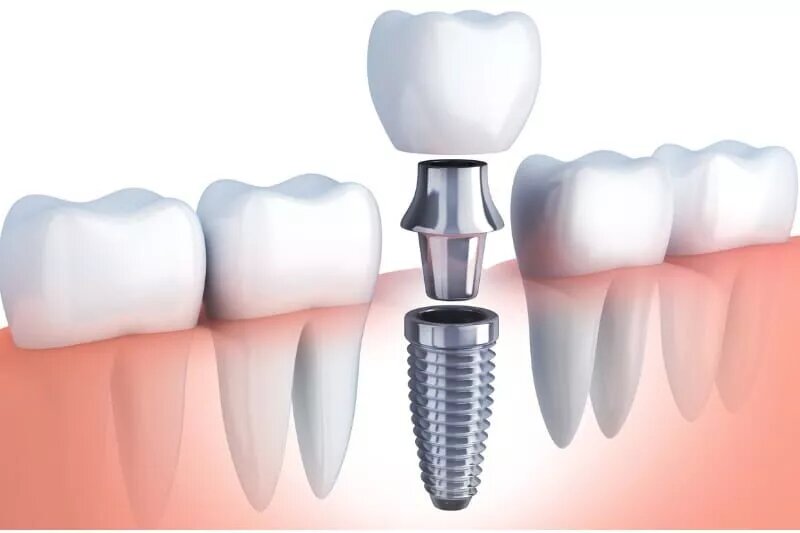
Common techniques in dental arts include porcelain veneers, composite bonding, professional whitening, dental implants, crowns, and gum contouring. Each procedure contributes to oral health in different ways: veneers and bonding can protect weakened enamel; crowns restore chewing function; implants prevent bone loss; and periodontal contouring helps control gum disease.
Related improvements and clinical goals
- Structural reinforcement to prevent cracks and decay
- Improved bite and chewing efficiency
- Reduced risk of gum disease through easier cleaning
- Psychological benefits—greater likelihood of maintaining oral hygiene
SMILE checklist: A practical framework for choosing treatments
Use the SMILE checklist as a quick decision framework when evaluating dental arts options.
- Screening: Confirm oral health status—caries, gum disease, bite problems.
- Maintenance: Plan for cleaning, fluoride, and follow-up care after any treatment.
- Indications: Match the procedure to the problem—cosmetic vs. structural.
- Longevity: Understand expected lifespan and replacement needs.
- Education: Learn daily care steps and signs of complications.
Real-world example: A common patient scenario
Scenario: A 38-year-old patient with moderate enamel wear, old composite fillings with staining, and concern about a gummy smile. Using the SMILE checklist, the treatment plan includes: replacing worn fillings with stronger composite or porcelain in key areas (structural support), conservative gum contouring to balance proportions (cosmetic), and a targeted whitening protocol after healing (aesthetic). The result improves chewing comfort, reduces plaque traps, and creates a brighter, easier-to-care-for smile.
Practical tips to get the most out of dental arts
- Choose treatments that address both function and appearance—cosmetic changes that ignore bite or decay often fail sooner.
- Ask about materials and expected lifespan; some ceramics resist staining longer than composite materials.
- Schedule a professional cleaning before cosmetic work to ensure adhesive and bonding surfaces are healthy.
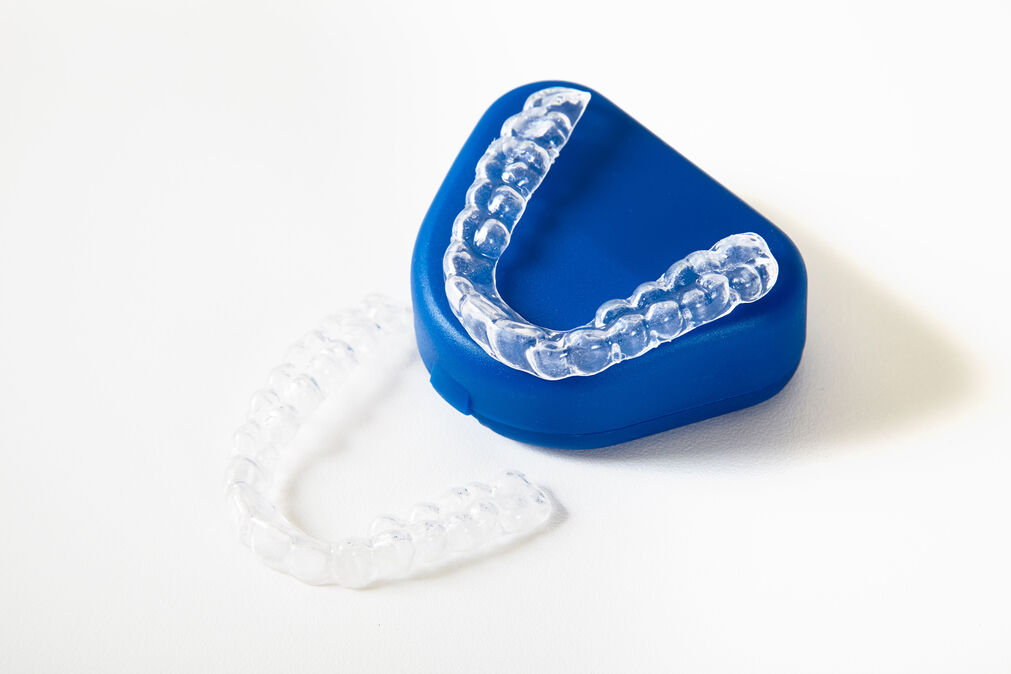
- Request a written maintenance plan—night guards, periodic polish, or topical fluoride may extend results.
Trade-offs and common mistakes
Trade-offs to consider
Cosmetic improvements can be more invasive than they appear. Veneers and crowns require enamel reduction, which is irreversible. Less invasive options like bonding are more conservative but may stain or chip faster. Implants provide the best long-term function but involve surgery and higher initial cost. Balancing immediate aesthetic desires with longevity and oral health is essential.
Common mistakes
- Prioritizing appearance without addressing active decay or gum disease—cosmetics fail if underlying problems persist.
- Skipping preventive maintenance—no restoration lasts without proper hygiene and follow-up.
- Assuming every solution is one-size-fits-all—individual bite, enamel quality, and occlusion influence outcomes.
How to evaluate providers and treatment plans
Look for clear documentation of objectives, imaging (intraoral photos, X-rays), and alternatives. Trusted clinical guidelines and standards from organizations such as the American Dental Association provide best-practice benchmarks for diagnosis and treatment planning.
Core cluster questions
- What long-term oral health improvements come from cosmetic dental treatments?
- How do dental implants compare to bridges for tooth replacement?
- When is veneer work preferable to whitening or bonding?
- What maintenance is required after getting crowns or veneers?
- How does periodontal health affect cosmetic dental outcomes?
Measuring success and expected timelines
Success metrics include reduction in sensitivity, improved bite comfort, fewer recurrent cavities, and patient-reported satisfaction with appearance. Timelines vary: whitening can show results in weeks, bonding and veneers typically require one to two visits, and implants need months for healing and integration. The SMILE checklist helps align expectations with realistic timelines.
Insurance and budget considerations
Many restorative procedures have partial coverage under dental plans, while purely cosmetic treatments may be out-of-pocket. Get a pre-treatment estimate and consider staged approaches—address function first, then cosmetic refinements—to spread cost and minimize unnecessary work.
Frequently asked questions
What are the benefits of dental arts for everyday oral health?
Benefits include strengthened tooth structure, improved bite and chewing, fewer plaque-retentive areas, easier cleaning, and increased motivation for oral hygiene. Properly planned dental arts treat both form and function, which reduces future risk of decay and periodontal disease.
Are cosmetic dental procedures safe and durable?
When performed following clinical guidelines and after treating active disease, cosmetic procedures are generally safe. Durability depends on material choice, bite forces, and maintenance. Ceramics and well-placed restorations often last many years; routine follow-up maximizes lifespan.
How to prepare for a consultation about dental arts?
Bring dental records or recent X-rays, list of concerns and priorities, and questions about maintenance, alternatives, and costs. Use the SMILE checklist to structure the conversation: screening, maintenance, indications, longevity, and education.
How long does recovery take after common dental arts procedures?
Recovery varies: whitening and bonding have minimal downtime, crowns and veneers may cause short-term sensitivity for a few days, and implants require a longer healing period measured in months. Follow post-procedure care instructions closely to speed recovery.
How often should restored teeth be checked after treatment?
Restored teeth typically need professional review every 6 months for routine care, with more frequent checks if there are signs of wear, sensitivity, or periodontal concerns. A written maintenance schedule helps catch issues early and preserve results.
Further questions can be directed to a licensed dental professional who can correlate clinical findings with personal health history and provide individualized recommendations.