Disposable Endoscopes Market Accelerators Strengthen Adoption, Innovation, Clinical Efficiency, and Healthcare Delivery
-

- Published Updated
- 1,688 views
Accelerating Market Development
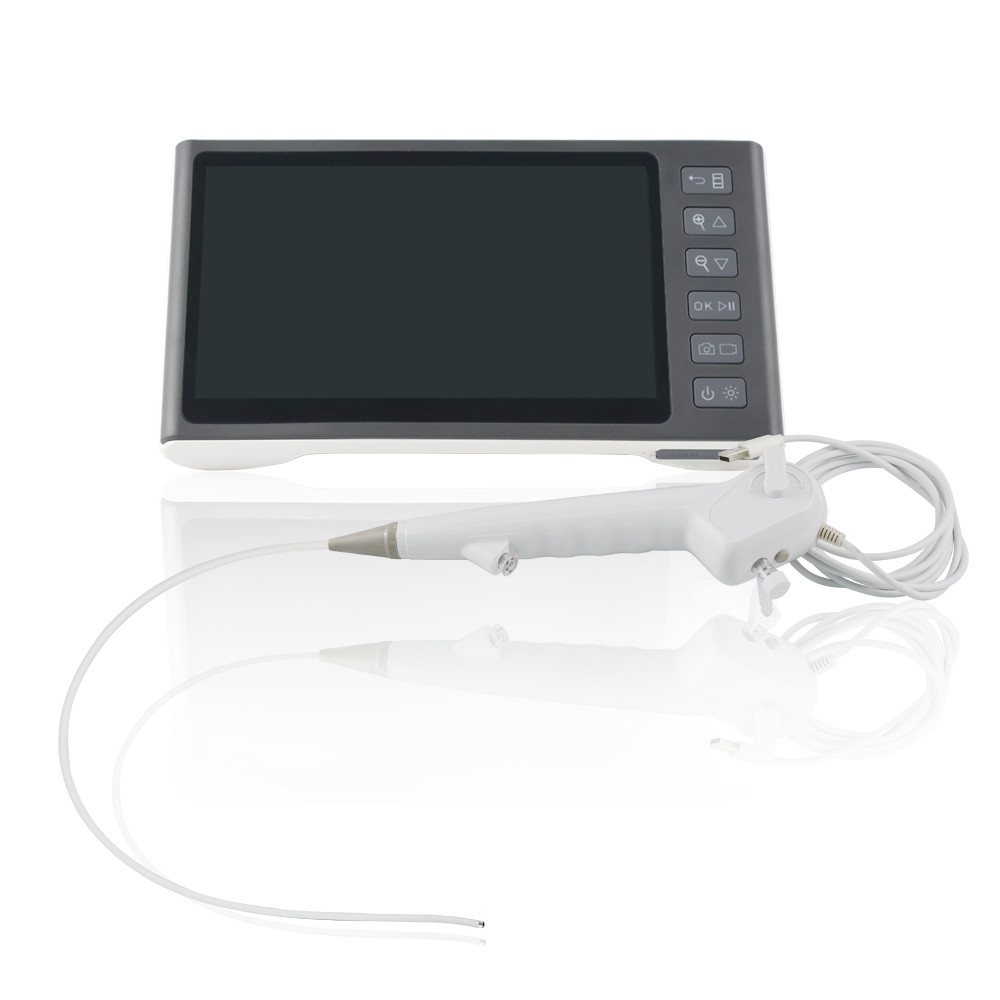
The disposable endoscopes market is progressing as healthcare providers seek flexible technologies that can support efficient diagnostic and procedural workflows. Single-use endoscopes can provide immediate availability without requiring the same reprocessing cycle associated with reusable instruments. This characteristic creates opportunities across hospitals, ambulatory centers, intensive care environments, emergency departments, and selected point-of-care applications.
Several disposable endoscopes market accelerators are contributing to product development and adoption. These include infection-conscious clinical practices, technological improvements, expanding minimally invasive procedures, portable healthcare delivery, digital integration, specialized product design, and improvements in manufacturing capabilities.
Greater Focus on Infection-Conscious Workflows
Infection prevention remains an important consideration in procedural healthcare. Reusable endoscopes require controlled cleaning, disinfection, sterilization where applicable, inspection, storage, and handling processes.
Single-use devices can reduce dependence on these reprocessing workflows because the instrument is intended for one procedure before disposal. This can simplify certain clinical processes and reduce concerns associated with inadequate reprocessing.
As healthcare facilities continue to emphasize procedural safety and workflow consistency, infection-conscious practices can support consideration of disposable endoscopic technologies in appropriate applications.
Expansion of Minimally Invasive Procedures
The continued use of minimally invasive techniques creates demand for compact visualization tools capable of accessing anatomical areas without extensive surgical intervention.
Disposable endoscopes can support selected diagnostic and procedural applications where clinicians require immediate visualization and maneuverability.
As minimally invasive approaches expand across specialties, manufacturers have opportunities to develop devices specifically designed around individual procedural requirements. Procedure-specific engineering can improve usability while creating additional application areas.
Advances in Miniature Imaging
Improvements in miniature cameras, sensors, optics, illumination, and image-processing technologies are accelerating the capabilities of disposable endoscopes.
Earlier generations of compact visualization devices faced greater limitations in image quality and functionality. Ongoing improvements can support clearer visualization while allowing manufacturers to integrate increasingly capable imaging components into small instruments.
Better image quality can also increase clinical confidence and support the use of disposable systems in applications where visualization quality is particularly important.
Growth of Point-of-Care Healthcare
Healthcare delivery is becoming more distributed across hospitals, outpatient centers, emergency environments, intensive care units, and other specialized settings.
Portable endoscopic technologies can support this shift by providing visualization capabilities closer to the patient. Disposable systems may be particularly useful where rapid preparation and device availability are important.
The expansion of point-of-care procedures can therefore act as an accelerator by creating demand for compact systems that can be deployed without extensive reprocessing infrastructure.
Development of Procedure-Specific Devices
A major accelerator is the movement toward specialized endoscopic platforms. Different procedures require different device dimensions, insertion lengths, articulation characteristics, working channels, suction capabilities, and visualization requirements.
Manufacturers can design disposable instruments around specific clinical applications rather than attempting to create universal systems.
This approach can improve product relevance and enable companies to address smaller but strategically important clinical segments.
Digital Connectivity and Software Integration
Digital healthcare is creating new possibilities for disposable endoscopic platforms. Modern devices can increasingly connect with displays, recording systems, documentation tools, and other clinical technologies.
Digital connectivity can improve image management and procedural documentation while supporting more integrated workflows.
Software-based technologies can also enhance the value of endoscopic systems. Image enhancement, automated documentation, visualization support, and analytical capabilities may become increasingly important areas of differentiation.
AI-Assisted Visualization
Artificial intelligence and advanced image-processing technologies can create additional opportunities for endoscopic innovation.
AI-supported systems may assist with image enhancement, visualization, documentation, or identification of relevant image characteristics, depending on the clinical application and regulatory status of the technology.
The integration of software capabilities with compact disposable hardware could help manufacturers create differentiated platforms without requiring extensive physical changes to the instrument.
Ambulatory and Outpatient Care
Healthcare systems continue to evaluate ways to provide appropriate procedures outside large hospital environments. Ambulatory facilities can benefit from technologies that support efficient room turnover, straightforward device preparation, and flexible equipment management.
Disposable endoscopes may fit selected outpatient workflows because they eliminate the need to return instruments to a centralized reprocessing cycle after each procedure.
As more suitable procedures are performed in ambulatory environments, demand for convenient visualization technologies can create another accelerator for the market.
Manufacturing Automation
Advances in precision manufacturing and automation can support the production of sophisticated disposable endoscopes at greater scale.
Automated assembly, optical inspection, component testing, and quality-control systems can improve production consistency while reducing certain manual processes.
Manufacturing efficiency is especially important because disposable devices need to maintain attractive economics despite being produced for individual procedures. Better production processes can therefore support both product availability and cost management.
Supply Chain Diversification
Stronger supply-chain strategies can also accelerate market development. Manufacturers can reduce exposure to component shortages by qualifying multiple suppliers, standardizing selected components, improving inventory planning, and developing regional production capabilities.
Greater supply resilience can provide healthcare customers with more dependable access to devices, which is particularly important when endoscopes are required for urgent or scheduled procedures.
Clinical Education and User Familiarity
Clinical education can accelerate adoption by increasing familiarity with disposable systems. Physicians and procedural staff need confidence in device handling, visualization, articulation, controls, and workflow integration.
Manufacturers can support this process through demonstrations, training programs, simulation environments, user feedback, and technical assistance.
As clinicians gain more experience with single-use devices, healthcare organizations can make more informed decisions about where these technologies provide practical value.
Sustainability-Focused Innovation
Environmental considerations can encourage manufacturers to rethink disposable-device design. Lightweight construction, material efficiency, optimized packaging, and responsible waste-management approaches can help address concerns associated with single-use products.
Sustainability-focused engineering can become an accelerator when environmental improvements are integrated without compromising sterility, safety, reliability, or clinical performance.
Future Growth Catalysts
The disposable endoscopes market accelerators are increasingly interconnected. Imaging improvements strengthen clinical capabilities, while digital connectivity expands functionality. Point-of-care healthcare creates new applications, while manufacturing automation can improve scalability.
Future market development will likely depend on combining these accelerators rather than relying on a single factor. Procedure-specific engineering, stronger clinical education, improved interoperability, resilient supply chains, and cost-conscious manufacturing can collectively support broader adoption.
As disposable endoscopic technologies become more capable and specialized, their role may expand from selected single-use applications toward a wider range of clinical workflows. Continued innovation in imaging, digital systems, portability, manufacturing, and sustainable design can provide the foundation for further development across diverse healthcare environments.
Written as -https://www.pristinemarketinsights.com/disposable-endoscopes-market-report