Doodle Games Overview: Features, Appeal, and How to Choose
-

- February 23rd, 2026
- 1,225 views

FREE SEO Topical Map Generator: Find Your Next Content Ideas
Doodle Games often describe lightweight, visually simple games that focus on intuitive mechanics and quick play sessions. This overview explains common features of Doodle Games, the reasons they attract players across ages, and practical criteria for evaluating and choosing titles.
- Definition: Doodle Games are typically casual, minimalist games emphasizing simple mechanics and distinctive hand-drawn or sketch-style art.
- Appeal: Accessibility, short session lengths, and recognizable art direction make them attractive for mobile and web play.
- How to choose: Consider mechanics, platform compatibility, accessibility features, and community feedback or ratings.
Doodle Games: What they are and why they appeal
Common characteristics
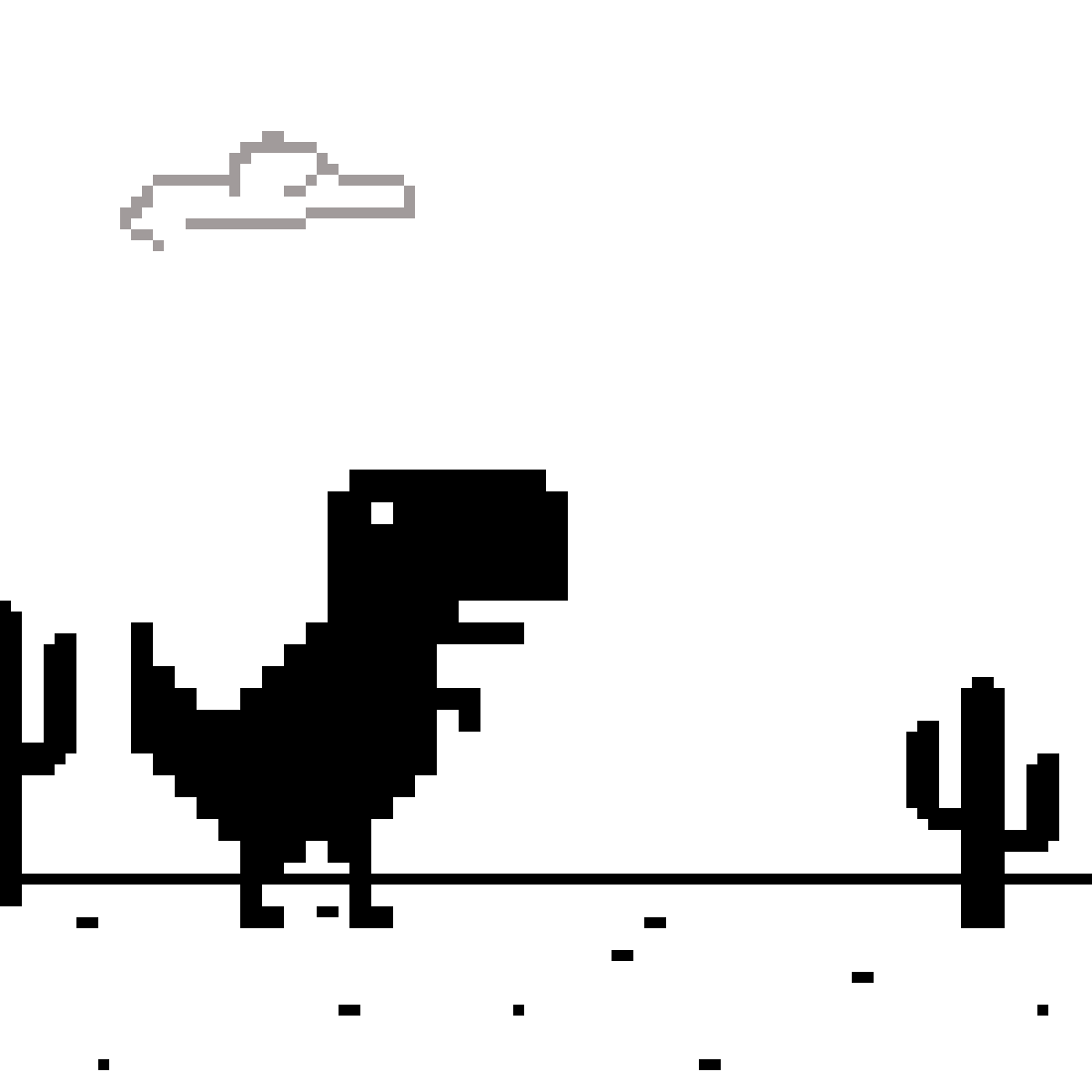
Doodle Games commonly feature a minimalist visual style that resembles sketches or hand-drawn illustrations. Game mechanics tend to be straightforward — tap, drag, connect, or draw — and sessions are designed to be short or modular. Many Doodle Games are developed for mobile devices or web platforms using engines and frameworks such as Unity, HTML5, or lightweight custom toolchains.
Audience and contexts
The primary audience for Doodle Games includes casual players, families, and users seeking brief entertainment during commutes or breaks. Educational settings and creative workshops also use sketch-style games to illustrate concepts like problem solving, spatial reasoning, or basic animation principles. Because of their simple controls, Doodle Games can provide accessible entry points for new players and learners.
Design elements that define Doodle Games
Art and audio
Visual design often uses limited palettes, hand-drawn lines, and playful animation cycles. Soundtracks tend to be light and nonintrusive, supporting the relaxed feel. The artistic choices emphasize personality and clarity over photorealism.
Mechanics and interaction
Mechanics prioritize quick comprehension and low friction: puzzles, endless runners, drawing challenges, and simple physics play are common. Interaction models favor touch or mouse input and often include progressive difficulty to maintain retention without overwhelming new players.
Platforms, discoverability, and ratings
Where Doodle Games are commonly found
Many Doodle Games appear on mobile app stores, web portals that host HTML5 games, and indie game marketplaces. Cross-platform support (e.g., mobile and web) increases discoverability, while curated collections and editorial features can surface standout creators.
Content rating and safety
Games distributed through mainstream channels may carry content ratings or listing information from regulatory and industry organizations. For guidance on content ratings and consumer information in video games, consult resources such as the Entertainment Software Rating Board: Entertainment Software Rating Board (ESRB). Checking ratings and store descriptions helps assess suitability for younger players.
How to evaluate and choose Doodle Games
Key evaluation criteria
- Mechanics: Does the game introduce meaningful choices or clever puzzles within its simple framework?
- Polish: Look for stable performance, consistent art, and intuitive controls.
- Updates and support: Active development or a clear changelog indicates ongoing support.
- Monetization: Consider how ads, in-app purchases, or paywalls affect the experience.
- Accessibility: Check for adjustable controls, colorblind-friendly palettes, and text size options.
Comparing across platforms
Platform matters for input method and session design. Mobile versions should optimize touch interactions and battery usage; web versions may prioritize quick load times and compatibility with browsers. Reviews and community forums provide insights about platform-specific issues like crashes or control sensitivity.
Trends and sustainability in doodle-style games
Indie development and creative expression
The doodle aesthetic remains a popular choice for independent developers because it can communicate character and tone without large art teams. This style also supports rapid prototyping, which encourages experimentation with novel mechanics and interactive storytelling.
User retention and engagement
Retention strategies for Doodle Games often rely on daily challenges, short level sets, and social sharing features rather than long-form progression systems. Well-designed micro-goals and gentle difficulty curves can maintain interest without demanding extended play sessions.
Archiving and preservation
Because many doodle-style games are built on rapidly evolving web standards or mobile frameworks, preservation efforts from academic institutions and digital archives help maintain access over time. When choosing games for long-term use in classrooms or libraries, consider sustainability and export options provided by developers.
Practical tips for players and caretakers
Trial and research
Try free demos or lite versions when available. Read multiple user reviews and look for references to performance, ads, and accessibility. For younger players, consult store ratings and parental controls.
Balancing play and screen time
Because many Doodle Games are designed for short sessions, they can fit into balanced routines. Setting time limits and using built-in session reminders helps maintain healthy screen habits.
Resources and further reading
Industry organizations
Relevant organizations for game development and consumer information include the International Game Developers Association (IGDA) and regulatory bodies that publish guidance on ratings and consumer protection.
Academic and archival projects
Universities with digital media programs and game preservation initiatives sometimes publish studies on casual and indie game design patterns. These resources can provide deeper context on mechanics, player behavior, and cultural impact.
Frequently asked questions
What are the defining features of Doodle Games?
Doodle Games are defined by minimalist, hand-drawn visuals, simple and intuitive mechanics, and short session designs. They often emphasize charm and immediacy over complex systems.
Are Doodle Games suitable for children?
Many Doodle Games are suitable for children, but suitability varies by title. Check content ratings, parental controls, and reviews for information on age-appropriateness and in-app purchases.
How can one find quality Doodle Games?
Look for developer reputation, recent updates, balanced monetization, and positive user reviews. Community recommendations, editorial lists, and curated storefronts also help identify high-quality titles.
Do Doodle Games work well across platforms?
Many Doodle Games translate well between web and mobile, but performance and controls can differ. Verify platform compatibility and test controls where possible before purchasing or committing to long play sessions.
What makes Doodle Games engaging compared to more complex titles?
Engagement often comes from immediate accessibility, distinctive visual identity, and rewards tuned for short play intervals. The reduced complexity can make the core loop more visible and satisfying for casual play.
![Anomaly: The Rotting World [v0.1] – Game Overview](https://indibloghub.com/public/images/courses/6a42323801101189_1782723128.jpg)