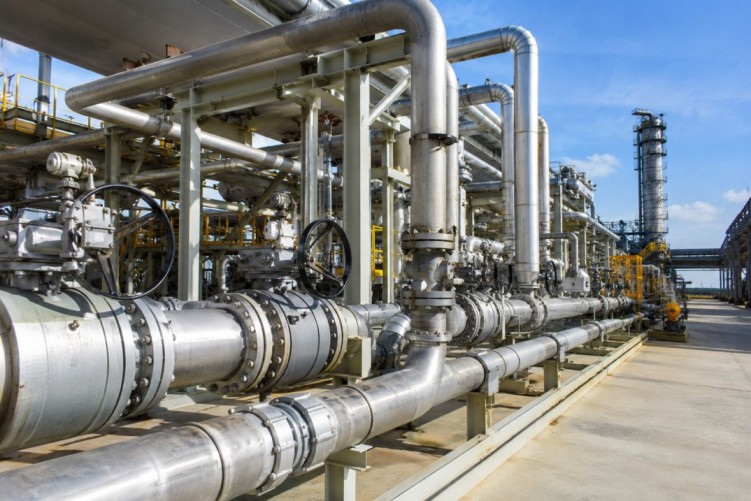
Technology and Compliance In Dubai’s Modern EPC Industry
-
- Published Updated
- 8,927 views
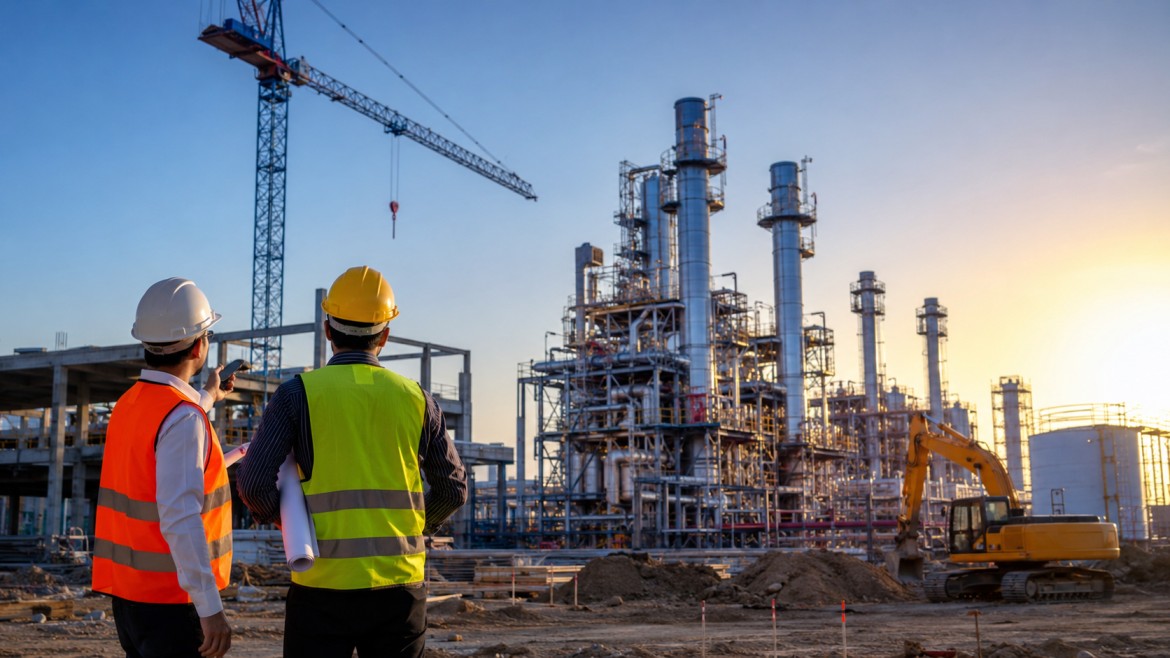
Dubai’s rapid industrial and infrastructure expansion is transforming the Engineering, Procurement, and Construction (EPC) sector into one of the region’s most technology-driven industries. From oil and gas facilities to renewable energy plants and smart infrastructure developments, EPC contractors play a critical role in delivering complex projects efficiently, safely, and within budget.
As the UAE advances toward Vision 2040 and Net Zero 2050 goals, EPC companies in Dubai are increasingly expected to combine engineering excellence with regulatory compliance, digital innovation, and sustainable construction practices. Major developments, such as Expo City Dubai and the Mohammed bin Rashid Al Maktoum Solar Park, demonstrate how modern EPC firms are adopting advanced technologies and environmentally responsible project strategies to meet the emirate’s growing infrastructure demands.
Regulatory Framework Driving EPC Operations in Dubai
Compliance is one of the most important aspects of EPC project execution in Dubai. Contractors must meet strict regulatory standards related to safety, environmental protection, energy efficiency, and construction quality.
Organizations such as Dubai Electricity and Water Authority (DEWA) and Real Estate Regulatory Agency (RERA) establish detailed requirements that contractors must follow throughout the project lifecycle.
Key compliance requirements include:
Energy-efficient utility and infrastructure designs approved by DEWA
Adherence to Dubai Municipality green building regulations
Safety approvals for high-risk systems such as pressurized pipelines and electrical installations
Environmental monitoring and waste management audits
Strict documentation and quality assurance procedures
Dubai’s sustainability regulations also require many new developments to reduce overall energy consumption through the use of efficient materials, insulation systems, and smart building technologies.
To avoid project delays and penalties, leading EPC contractors integrate compliance specialists and digital monitoring systems during the planning stage itself rather than treating compliance as a final approval process.
Technology Reshaping Dubai’s EPC Industry
Technology is now central to how EPC companies manage large-scale projects across Dubai’s industrial and infrastructure sectors. Digital transformation helps contractors improve accuracy, reduce delays, strengthen safety standards, and optimize operational efficiency.
Building Information Modeling (BIM)
Building Information Modeling (BIM) has become a core technology in modern EPC projects. BIM enables engineers, architects, and construction teams to work within a shared digital environment, improving coordination and minimizing design conflicts before construction begins.
Benefits of BIM include:
Better project visualization
Faster design coordination
Reduced material wastage
Improved cost estimation
Lower rework expenses
Many EPC firms in Dubai use BIM to support large commercial developments, industrial plants, and smart city infrastructure projects.
Several Dubai-based EPC firms are now using BIM-integrated monitoring systems in utility corridor projects to reduce rework and improve installation accuracy.
Digital Twin Technology
Digital twin systems create virtual replicas of physical infrastructure, allowing teams to simulate operations before actual construction or commissioning. This helps identify operational risks early and improves long-term maintenance planning.
IoT-Based Monitoring Systems
Internet of Things (IoT) sensors are increasingly used to monitor:
Equipment performance
Pipeline pressure
Structural conditions
Material storage environments
Energy consumption
Real-time monitoring allows project teams to identify technical issues before they impact schedules or operational safety.
Drones and Robotics
Drones and robotic inspection systems improve safety by reducing the need for manual inspections in hazardous environments such as elevated structures, confined spaces, and industrial process areas.
Cloud-Based Project Management
Cloud-based platforms improve communication between engineering, procurement, and construction teams working across multiple project sites. These systems provide real-time project tracking, document control, and procurement visibility.
As project complexity increases in Dubai’s industrial sector, contractors that fail to adopt digital workflows may struggle with cost overruns and approval delays.
Understanding the EPC Project Lifecycle
Successful EPC execution depends on careful coordination across every project stage. Delays or technical issues in one phase can significantly affect the overall schedule and project cost.
Stage 1: Engineering
The engineering phase involves detailed planning, design calculations, simulations, and technical documentation. EPC teams prepare:
Structural drawings
Process flow diagrams
Piping and instrumentation diagrams
Electrical layouts
Safety studies
Advanced engineering software is commonly used to optimize system performance and reduce operational risks.
Stage 2: Procurement
Procurement teams source approved materials, machinery, valves, instrumentation systems, and structural components from qualified international and local suppliers.
Because some specialized industrial equipment has long manufacturing lead times, procurement planning is critical for avoiding project delays.
Stage 3: Construction
Construction activities include:
Civil works
Structural installation
Mechanical erection
Electrical systems
Pipeline installation
Equipment integration
Many EPC projects in Dubai now use modular construction methods to improve efficiency, shorten project schedules, and reduce on-site safety risks.
Strict safety protocols such as permit-to-work systems and hazard assessments are implemented throughout the construction process.
Stage 4: Testing and Quality Verification
Before commissioning, systems undergo extensive testing to verify operational performance and safety compliance.
Testing activities may include:
Hydro testing
Pressure testing
Instrument calibration
Loop checking
Non-destructive testing (NDT)
These procedures ensure that industrial systems meet international standards before operation begins.
Stage 5: Commissioning and Handover
The final stage includes operational testing, performance verification, staff training, and project documentation handover.
EPC contractors also provide:
As-built drawings
Maintenance manuals
Operational procedures
Training support for facility operators
Sector-Specific EPC Challenges in Dubai
Different industries require specialized EPC expertise and project execution strategies.
Oil and Gas
Oil and gas projects require:
High-pressure pipeline systems
Advanced welding procedures
Corrosion-resistant materials
Strict safety compliance
Automated welding technologies and advanced NDT inspections are widely used to improve reliability and reduce operational risks.
Renewable Energy
Dubai’s renewable energy projects require innovative engineering solutions to operate effectively in desert conditions. Solar facilities often use:
Anti-dust solar panel coatings
Smart tracking systems
High-temperature-resistant components
Industrial Manufacturing
Food-grade and pharmaceutical industries require contamination-controlled environments, hygienic piping systems, and strict regulatory compliance.
Infrastructure and Utilities
Utility and infrastructure projects in Dubai often face complex ground conditions that require:
Dewatering systems
Shoring solutions
Underground utility coordination
Traffic management planning
In large infrastructure developments, delayed procurement approvals can significantly impact commissioning schedules, especially when imported industrial components are involved.
Risk Management Strategies in EPC Projects
Large EPC projects involve financial, operational, technical, and environmental risks. Modern EPC firms use digital risk management systems and predictive analytics to improve project control and reduce uncertainty.
Common risk mitigation strategies include:
Multiple supplier sourcing
Contingency budgeting
Real-time project monitoring
Weather and environmental planning
Procurement tracking systems
Safety compliance audits
Predictive analytics also helps identify potential schedule delays and equipment failures before they escalate into major project issues.
Workforce Development and Technical Training
Skilled professionals remain one of the most important assets in the EPC industry. Dubai’s EPC sector relies on multidisciplinary teams that include:
Civil engineers
Mechanical engineers
Electrical engineers
Project managers
HSE specialists
BIM coordinators
Leading companies invest heavily in:
BIM training programs
Safety workshops
Leadership development
Technical certifications such as PMP and NEBOSH
Simulation-based operational training
The combination of local expertise and international experience helps EPC companies manage complex multicultural project environments effectively.
Future EPC Trends in Dubai
By 2026, Dubai’s EPC industry is expected to focus even more on sustainability, automation, and intelligent infrastructure systems.
Emerging trends include:
AI-driven predictive maintenance
Carbon reduction strategies
Smart energy management systems
Construction waste recycling
Green building materials
Renewable energy integration
Smart infrastructure connectivity
Sustainability is no longer optional in Dubai’s construction and industrial sectors. EPC contractors are increasingly required to align their operations with the UAE’s long-term environmental and energy objectives.
Many EPC firms are also prioritizing cybersecurity measures as cloud-based construction management systems become more widely adopted.
FAQs
Q1: Which industries depend most on EPC contractors in Dubai?
Industries such as oil and gas, renewable energy, manufacturing, infrastructure, utilities, and water treatment rely heavily on EPC contractors.
Q2: Why is DEWA approval important in EPC projects?
DEWA approvals ensure that utility systems meet Dubai’s safety, quality, and energy-efficiency standards before project execution.
Q3: How does BIM improve EPC project performance?
BIM improves collaboration, reduces design conflicts, enhances visualization, and helps contractors complete projects more efficiently.
Q4: What technologies are commonly used in modern EPC projects?
Common technologies include BIM, IoT sensors, digital twins, drones, robotics, and cloud-based project management platforms.
Q5: How do EPC firms improve project sustainability?
EPC companies improve sustainability through energy-efficient designs, renewable integration, waste reduction strategies, and environmentally responsible construction methods.
Conclusion
Dubai’s EPC industry is evolving rapidly through digital transformation, stricter compliance standards, and sustainable engineering practices. From industrial process plants to renewable energy infrastructure, EPC contractors are helping shape the future of the UAE’s economic and industrial growth.
Companies that successfully combine advanced technology, regulatory expertise, skilled workforce management, and sustainable project execution will continue to lead Dubai’s next generation of infrastructure development.