Effective Online Course Promotion: Ads, Platforms and Growth Strategies
-

- February 23rd, 2026
- 1,409 views

FREE SEO Topical Map Generator: Find Your Next Content Ideas
Promoting a digital learning product starts with clear goals and a repeatable approach. This guide explains online course promotion using paid ads, organic channels, and platform tactics that improve visibility and learner acquisition while tracking performance over time.
Online course promotion: channels and strategies
Effective online course promotion combines multiple channels so messaging reaches potential learners at different stages of their decision journey. Common channels include search-oriented ad placements for high-intent queries, social media to build awareness, display and video for reach, email marketing for nurture and retention, and partnerships with educational networks or learning management systems (LMS) for credibility and distribution.
Search-focused advertising
Search-oriented ads align with explicit user intent and can be efficient for converting prospective students who are actively looking for a course or skill. Prioritize keywords that match course outcomes (for example, "project management certification online") and optimize ad copy for clear benefits and a strong call to action. Landing pages should answer search intent immediately and make enrollment steps obvious.
Social and display campaigns
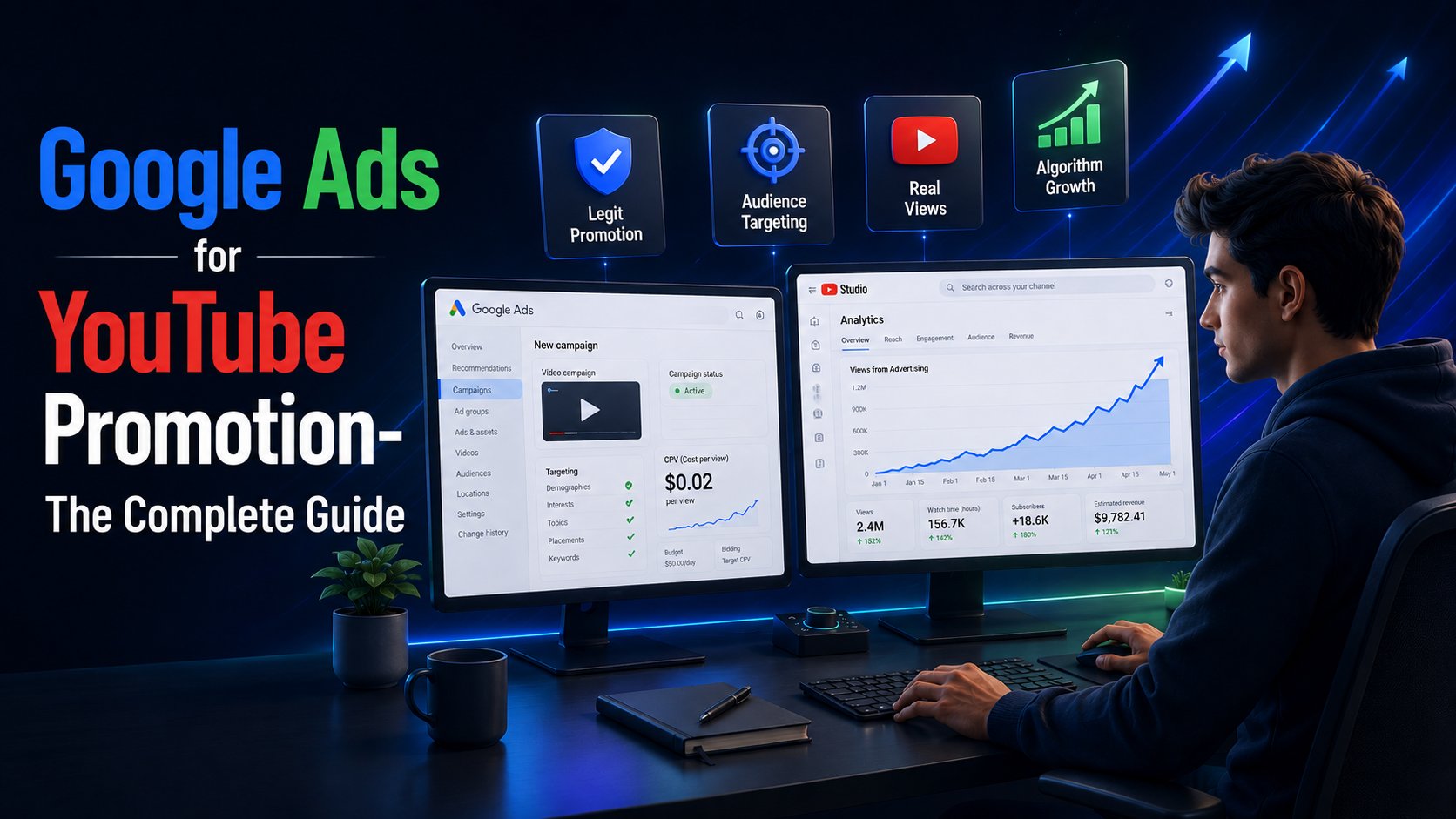
Social ad formats support audience discovery and interest-based targeting. Use short video, carousel, or single-image creative that highlights outcomes, instructor credentials, or a notable curriculum module. Display and programmatic placements extend reach; use frequency caps and creative rotation to avoid ad fatigue.
Email and organic channels
Email remains a high-value channel for conversion and retention. Segment lists by interest and engagement, use drip sequences to educate prospects, and include testimonials or sample lessons. Organic discovery—content marketing, search engine optimization, and community engagement—builds long-term SEO value for course pages and knowledge resources.
Audience targeting, creative, and landing pages
Define the target audience
Start with learner personas that capture goals, skill level, preferred learning format, and barriers to purchase. Use analytics and learner surveys to refine targeting and messaging. Consider professional demographics (job titles, industries) for career-focused courses and interest-based segments for hobby or personal development subjects.
Creative that converts
Sharpen the value proposition: list a measurable outcome, time-to-complete, and credentials offered. Use social proof (ratings, reviews, completion certificates) and show a short preview of course material. Test variations in headlines, images, and calls-to-action through A/B testing to improve click-through and conversion rates.
Landing page essentials
Landing pages should load quickly, be mobile-friendly, and include a prominent CTA. Show curriculum highlights, instructor bios, and clear pricing or enrollment steps. Implement trust signals such as mentions of accreditation, alignment with recognized frameworks, or links to institutional partners. For accessibility, follow Web Content Accessibility Guidelines (WCAG).
Budgeting, metrics, and optimization
Key metrics to track
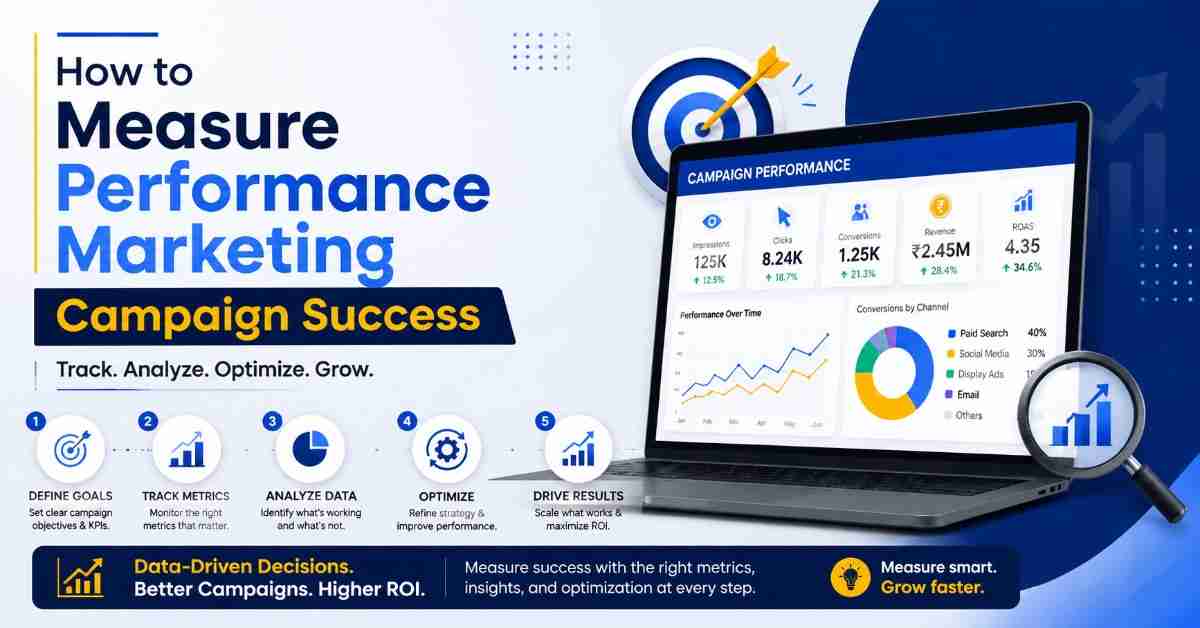
Monitor impressions, click-through rate (CTR), cost per click (CPC), cost per mille (CPM), conversion rate (enrollments divided by clicks), cost per acquisition (CPA), and lifetime value (LTV) of a learner. Use cohort analysis to understand retention and completion rates. Attribution models help allocate credit across channels for conversion.
Testing and iteration
Run controlled experiments to compare audiences, creatives, and landing pages. Use statistical significance rules when assessing A/B tests and adjust bids or budgets based on performance. Retargeting campaigns typically show lower CPA because they address users who already interacted with the course content or landing page.
Compliance, accessibility, and quality assurance
Regulatory and consumer protection considerations
Follow consumer protection rules for advertising claims and clarity about pricing, refunds, and credential validity. Reference guidance from national education regulators and consumer agencies where applicable; for international trends in education policy and access, see the UNESCO reports on digital learning. Ensure course certifications are accurately described if they lead to professional recognition.
Accessibility and inclusivity
Make course materials accessible: provide captions for video, transcripts for audio, clear navigation, and screen-reader-friendly layouts. Inclusive design improves reach and reduces barriers for learners with disabilities.
Platform selection and partnerships
Choosing a distribution platform
Decide between hosting on an LMS, partnering with educational networks, or using self-hosted solutions. Evaluate integrations for payments, analytics, and single sign-on. Consider SEO-friendly course pages and the ability to run promotional experiments and coupon codes.
Partnerships and affiliates
Partner with professional associations, industry newsletters, or content creators to extend reach. Affiliate models can scale acquisition but require clear contract terms and tracking to manage payouts and quality control.
Continuous improvement and learner success
Promotional success is tied to learner outcomes. Collect feedback, measure completion and satisfaction, and use those insights to improve course content, certification value, and future ad creative. Tracking both short-term conversions and long-term retention provides a fuller view of marketing ROI.
FAQ
What is online course promotion and why does it matter?
Online course promotion is the set of marketing activities used to increase awareness, generate leads, and convert learners. It matters because effective promotion connects the right audience with relevant learning opportunities and supports sustainable enrollment and completion rates.
Which metrics should be prioritized for course ad campaigns?
Prioritize conversion rate and cost per acquisition for short-term performance, and track retention, completion rate, and lifetime value to measure long-term impact. Use attribution and cohort analysis to understand channel contributions.
How long should it take to see results from paid promotion?
Initial data on ad responsiveness can appear within days, but reliable signals for optimization typically require several weeks of consistent traffic and conversions. Allow time for A/B testing, learning phases, and landing page improvements before making large budget changes.
Are there legal restrictions on advertising educational offers?
Advertising must avoid misleading claims about outcomes, accreditation, or guaranteed employment. Check local consumer protection laws and education regulator guidance when making representations about credentials or career impact.
How can accessibility improve promotional reach?
Accessible content widens the potential audience, reduces exclusions for people with disabilities, and often improves search visibility. Implementing captions, transcripts, and semantic HTML increases usability and compliance with accessibility standards.