Step-by-Step Guide to Efficient and Safe House Wiring
-

- Published Updated
- 1,582 views
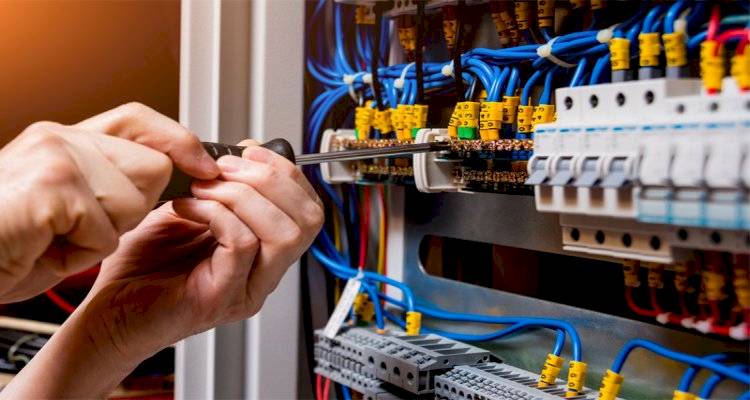
Proper house wiring is essential for safe electricity use, efficient energy distribution, and minimizing fire risk. This guide explains practical steps for planning, installing, testing, and maintaining household electrical systems while highlighting code compliance, common materials, and safety devices.
Key steps: assess electrical load, check local code and permit requirements, choose appropriate wiring and protective devices (breakers, GFCIs, AFCIs), follow proper grounding and bonding practices, conduct safe installation and systematic testing, and schedule inspection. Consult licensed electricians for work beyond basic tasks.
House wiring: planning, permits, and code compliance
Assess load and layout
Start by calculating expected electrical load for each area: lighting, appliances, HVAC, and specialty equipment. Create a layout that shows circuits, outlet locations, major appliances, and the main service panel. Load calculations help determine cable sizes and breaker ratings and reduce the risk of overloaded circuits.
Check codes and permits
Most jurisdictions require permits and inspections for significant electrical work. The National Electrical Code (NEC) provides widely adopted standards; local building departments may modify or add requirements. Refer to the authority having jurisdiction before starting any installation, and obtain necessary permits for safety and regulatory compliance.
Tools, materials, and common wiring methods
Common materials and cable types
Typical materials include nonmetallic-sheathed cable (NM), armoured cable, conduit with individual conductors, grounding conductors, and appropriate boxes and connectors. Cable size (gauge) depends on circuit amperage—14 AWG for 15 A, 12 AWG for 20 A, etc.—based on NEC tables and local code. Choose components rated for intended use and temperature.
Tools and protective equipment
Necessary tools: voltage tester, multimeter, wire strippers, fish tape, conduit benders (if used), screwdrivers, and torque tools for breaker and terminal connections. Use personal protective equipment such as safety glasses and insulated gloves when working on electrical systems.
Safety devices: breakers, GFCIs, AFCIs, grounding
Overcurrent protection and breakers
Use circuit breakers sized to protect conductors and equipment. Overcurrent protection prevents overheating and fire. Arc-fault circuit interrupters (AFCIs) reduce risk from arcing faults, and ground-fault circuit interrupters (GFCIs) protect against electrical shock in wet or damp locations.
Grounding and bonding
Proper grounding and bonding create a low-resistance path for fault currents and stabilize voltage. Follow NEC grounding rules and local code for electrode systems, grounding conductor sizes, and bonding of metal enclosures and piping.
Installation best practices
Routing and securing cables
Run cables with appropriate protection and support to avoid physical damage. Maintain required clearance from water and heat sources. Use conduit or protective sheathing where cable is exposed to possible damage. Secure cables within specified distances of boxes and supports.
Connections and box fill
Make tight, code-compliant splices using listed connectors. Respect box fill rules to avoid overcrowding, which can cause overheating. Label circuits clearly in the service panel for future maintenance and safety.
Testing, inspection, and commissioning
Pre-energization tests
Before applying power, verify continuity, correct polarity, and proper grounding. Use a multimeter and receptacle testers to confirm wiring is correct and that protective devices are functioning. Check GFCI and AFCI operation according to manufacturer and code requirements.
Inspection and final approval
Schedule an inspection with the local building department or authority having jurisdiction. Inspections confirm code compliance and reduce liability. Keep documentation of permits, plans, and test results for records.
Maintenance, diagnostics, and upgrades
Routine maintenance
Periodic checks can catch loose connections, overloaded circuits, and signs of wear. Replace damaged outlets and switches, and update protective devices when circuits are modified. For recurring tripping or signs of overheating, engage a qualified electrician for diagnosis.
When to upgrade
Consider upgrades when adding major appliances, remodeling kitchens or bathrooms, or when the service panel is dated. Upgrades may include adding dedicated circuits, installing AFCI/GFCI protection, and increasing service capacity to match modern load demands.
Where to find authoritative guidance
Codes and standards from organizations such as the National Fire Protection Association (NFPA), which publishes the National Electrical Code (NEC), provide detailed technical requirements. Local building departments and licensed electrical contractors also offer guidance relevant to jurisdictional rules. For NEC resources and standards, see the NFPA website: https://www.nfpa.org.
Frequently asked questions
What is the difference between house wiring and home wiring?
The terms are often used interchangeably; both refer to electrical circuits, outlets, switches, panels, and grounding systems that deliver power in a residence. Regional usage may vary but the underlying components and safety principles are the same.
How should circuits be sized for typical household appliances?
Circuit sizing depends on the continuous and non-continuous load of appliances. Smaller loads like lighting use smaller circuits, while large appliances (range, dryer, HVAC) require dedicated circuits with larger conductors. Refer to NEC tables and load calculation procedures and verify with a qualified professional.
When is a permit required for house wiring?
Most jurisdictions require permits for new circuits, panel changes, and major alterations. Minor repairs may be exempt, but local code and the authority having jurisdiction determine permit requirements. Contact the local building department before starting work.
Can a homeowner do house wiring work without a license?
Regulations vary. Some minor tasks are permitted for homeowners, but most jurisdictions require licensed electricians for complex or safety-critical work. Because electrical errors can create fire and shock hazards, consulting or hiring a licensed electrician is often recommended for significant projects.
What routine signs indicate a wiring problem?
Warning signs include frequent breaker trips, flickering lights, burning smells, hot outlet covers, and discolored or charred receptacles. Any of these signs warrant immediate evaluation by a qualified electrician.