Elegant and Functional Bathroom Ideas: Design, Fixtures, and Layout Tips
-

- Published Updated
- 1,409 views
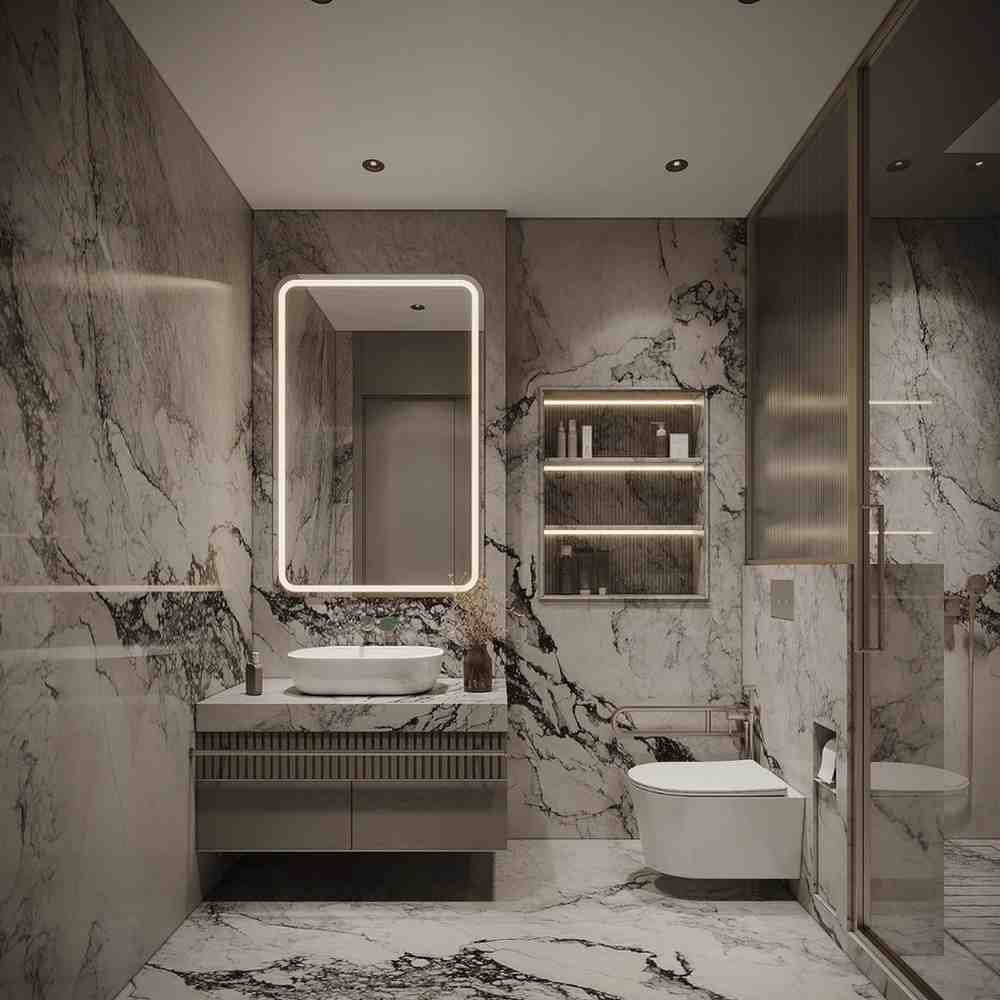
An elegant and functional bathroom balances aesthetics with practical features to create a comfortable, durable, and attractive space. Thoughtful planning of layout, materials, lighting, storage, and plumbing can increase daily usability and long-term value.
- Prioritize layout and circulation before selecting finishes.
- Choose water-efficient fixtures and durable surfaces for low maintenance.
- Layer lighting and ensure adequate ventilation to control moisture.
- Incorporate universal design and accessible features for long-term usability.
Designing an elegant and functional bathroom
Start by defining how the space will be used: a primary bathroom with double sinks, a compact powder room, or a universal-design wet room. A well-planned layout supports circulation, privacy, and future adaptability. Key considerations include door swing, clear floor space, and placement of fixtures to avoid congestion.
Layout and flow
Place the toilet, sink, and shower or tub to maintain a clear walking path and visual balance. Align plumbing runs where possible to reduce renovation cost and complexity. For small bathrooms, consider a corner sink, wall-mounted fixtures, or a pocket door to maximize usable area.
Accessibility and universal design
Incorporate elements that improve access and safety: grab bars, curbless showers, slip-resistant flooring, and lever-style handles. Refer to accessibility standards such as the Americans with Disabilities Act (ADA) for guidance on clearances and fixture heights when designing for broader use or aging in place.
Materials, finishes, and fixtures
Choose materials that withstand humidity and are easy to clean. Tile, engineered stone, and sealed natural stone are common for floors and walls. Matte or textured finishes can reduce visible water spots and improve slip resistance.
Durable surfaces
Select grout and sealants rated for wet areas and plan for accessible maintenance. Larger format tiles reduce grout lines, which can be easier to keep clean. For counters, engineered quartz offers stain resistance and a wide range of colors without the porosity of some natural stones.
Faucets, showerheads, and water efficiency
Water-efficient fixtures reduce utility bills and environmental impact. Low-flow aerators, efficient showers, and dual-flush toilets provide savings without sacrificing performance. For specifications and certification of water-efficient products, consult programs like EPA WaterSense for guidance on performance standards and labeling. EPA WaterSense
Lighting, ventilation, and comfort
Proper lighting and ventilation are essential for function and longevity. A layered lighting plan—ambient, task, and accent—helps achieve comfortable illumination for grooming, cleaning, and relaxing.
Layered lighting
Include ceiling or recessed ambient lights, task lighting at mirrors (avoiding harsh shadows), and accent options such as dimmable fixtures or wall sconces. Use LED sources for energy efficiency and long life.
Ventilation and moisture control
Install an exhaust fan sized to the room volume and run it during and after showers to reduce humidity that can lead to mold and material degradation. Follow local building code requirements for ventilation; many codes specify minimum airflow rates and fan placement.
Storage and organization
Integrated storage keeps surfaces clear and supports a calm, elegant look. Balance open shelving with concealed cabinetry to reduce visual clutter and protect stored items from moisture.
Built-in niches and cabinets
Shower niches and recessed medicine cabinets maximize storage without encroaching on floor space. Consider full-height cabinets in larger bathrooms and shallow storage in tight areas to preserve circulation.
Hardware and organization systems
Drawer organizers, pull-out trays, and adjustable shelving increase usability. Concealed hinges and soft-close drawers contribute to a refined finish.
Finishing touches and maintenance
Small decisions affect long-term satisfaction. Select finishes and installation methods that simplify cleaning and maintenance while enhancing the room’s aesthetic.
Sealing, grout, and durability
Use high-quality sealants at wet joints and select epoxy or sealed grout in showers to resist staining and mildew. Schedule periodic inspections of seals and caulking as part of maintenance planning.
Sustainable and healthy choices
Consider low-VOC paints, recirculating hot-water systems to reduce water waste, and materials with recycled content. Proper ventilation and mold-resistant finishes support indoor air quality.
Planning, budget, and professional help
Create a realistic budget that separates essential components (plumbing, drainage, ventilation) from decorative upgrades. Engage licensed plumbers, electricians, and contractors for work that affects safety or code compliance. Consult local building departments for permits and inspection requirements.
Frequently asked questions
How to plan an elegant and functional bathroom?
Begin with a clear list of uses and priorities, then develop a layout that optimizes circulation and plumbing efficiency. Select durable, moisture-resistant materials and layer lighting and ventilation. Plan storage and accessible features early to avoid costly changes later.
What are the most water-efficient fixtures for bathrooms?
Look for low-flow showerheads, faucets with aerators, and dual-flush or low-flow toilets. Certification programs and product labels can help identify fixtures that meet efficiency standards.
How much ventilation does a bathroom need?
Ventilation requirements vary by local code, but an exhaust fan rated for the room’s cubic footage and run time after use is essential to control humidity and prevent mold growth.
Are curbless showers a good choice?
Curbless showers offer accessibility and a modern look but require careful waterproofing, proper floor slope for drainage, and placement of a suitable drain system to avoid water migration.
How can small bathrooms feel more elegant?
Use a restrained color palette, large-format tiles, reflective surfaces like glass and mirrors, and efficient storage to create a sense of space. Consistent fixtures and concealed storage reduce visual clutter.
Related Articles