How Managed IT Security Services Empower Growing Businesses
-
- March 07th, 2026
- 347 views

Get a free topical map and start building content authority today.
Detected intent: Informational
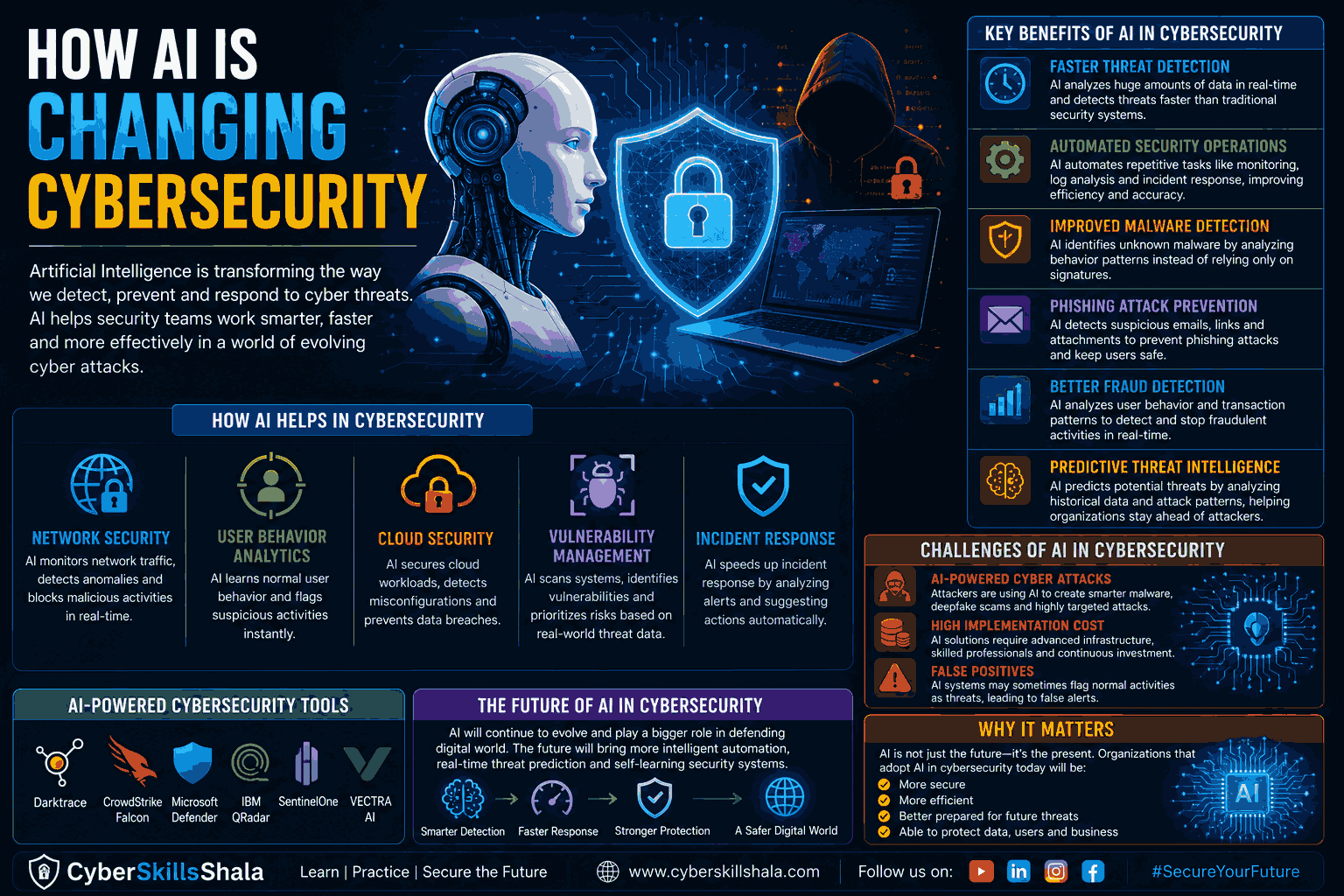
Managed IT security services provide ongoing cybersecurity monitoring, maintenance, and incident response handled by external providers. For businesses that lack deep security expertise in-house, managed IT security services deliver predictable protection, faster threat detection, and clearer compliance paths without redirecting core staff from revenue-generating work.
- Primary goal: reduce cyber risk while freeing internal resources
- Core benefits: 24/7 monitoring, patch management, threat intelligence, compliance support
- Target companies: small and midsize businesses, distributed teams, regulated industries
- How do managed IT security services compare to in-house security teams?
- What does outsourced cybersecurity management typically include?
- How much do managed security services cost for small businesses?
- Which compliance frameworks do managed providers support?
- How does a provider handle incident response and forensics?
Why managed IT security services matter for modern business
Outsourced cybersecurity management shifts responsibility for continuous monitoring and threat response to specialists. Benefits include consistent patching, centralized logging, managed detection and response (MDR), and vendor-agnostic security operations. For companies exploring IT managed services for small business environments, this model reduces risk and scales protection as the company grows.
IT SHIELD Checklist: a practical framework for evaluating providers
The IT SHIELD Checklist is a simple evaluation model to compare providers and internal readiness across seven dimensions:
- Scope: services offered (MDR, SIEM, endpoint protection)
- Hands-on response: on-call incident handling and playbooks
- Compliance: alignment with standards like the NIST Cybersecurity Framework
- Visibility: centralized logging and dashboards
- Encryption & access: MFA, vaulting, and key management
- Lifecycle: patch management and configuration baselines
- Documentation: SLAs, runbooks, and evidence for audits
How implementation typically works
Onboarding and baseline assessment
Providers begin with a network and asset inventory, vulnerability scan, and a prioritized remediation plan. This assessment clarifies immediate risks and feeds the service's monitoring rules.
Continuous monitoring and threat hunting
24/7 security operations centers (SOCs) aggregate logs from cloud, endpoints, and network appliances to flag anomalies. Threat intelligence feeds and behavioral analytics reduce false positives and speed response.
Integration with business processes
Effective providers coordinate with IT, HR, and compliance teams to integrate incident response plans and maintain evidence trails for audits.
Practical tips for selecting and working with a provider
- Request a written SLA that covers detection times, response steps, and communication protocols.
- Ask for sample playbooks and a clear escalation path to in-house leadership.
- Verify support for compliance requirements relevant to the business (HIPAA, PCI DSS, GDPR where applicable).
Real-world example
A regional accounting firm with 50 employees lacked a dedicated security team. After adopting managed IT security services, the firm received prioritized remediation guidance, continuous endpoint monitoring, and monthly compliance reports. A phishing attack was detected by the provider's MDR system; automated containment and follow-up forensics limited exposure to a small set of accounts and avoided broader operational disruption.
Trade-offs and common mistakes
Trade-offs
Cost vs. control: outsourcing reduces hiring and training costs but requires trust in external processes. Visibility vs. convenience: some in-house visibility is replaced by provider dashboards, which may not surface every detail unless negotiated into the contract.
Common mistakes
- Failing to define clear SLAs and role responsibilities during onboarding.
- Assuming the provider covers every compliance detail without written confirmation.
- Neglecting internal security hygiene—providers augment but do not replace secure configuration and user training.
Practical adoption checklist
- Complete an initial risk assessment and map assets
- Define SLAs and required compliance evidence
- Test incident response with a tabletop exercise
- Schedule regular reporting cadence and reviews
Core considerations for small businesses
For those searching for "IT managed services for small business," prioritize providers that offer straightforward pricing, transparent SLAs, and bundled compliance reporting. Look for flexible onboarding that supports cloud-first or hybrid infrastructures.
Final recommendations
Managed IT security services can be a practical way to improve resilience, align with standards, and free internal teams for strategic work. Use a named checklist like the IT SHIELD Checklist to compare options, verify compliance support, and run regular tabletop exercises to validate response plans.
What are managed IT security services and how do they help?
Managed IT security services are outsourced programs that provide continuous monitoring, threat detection, incident response, and security maintenance. They help by providing experts, tools, and process maturity without hiring a full in-house security team.
How much do managed services typically cost for small businesses?
Costs vary by scope (endpoints, network, cloud) and service level. Expect subscription models with per-user or per-device pricing; obtain detailed quotes and compare included services versus add-on charges.
Can outsourced cybersecurity management meet compliance needs?
Yes, if the provider documents controls, provides logs and evidence, and aligns with specific frameworks. Always confirm responsibilities in a shared-responsibility matrix.
What should be in a service-level agreement (SLA)?
Include detection and response time objectives, incident communication steps, data ownership clauses, and termination requirements that ensure a clean handover.