Engraved Roto Gravure Cylinders: Driving Precision in High-Speed Printing
-
- Published Updated
- 1,666 views
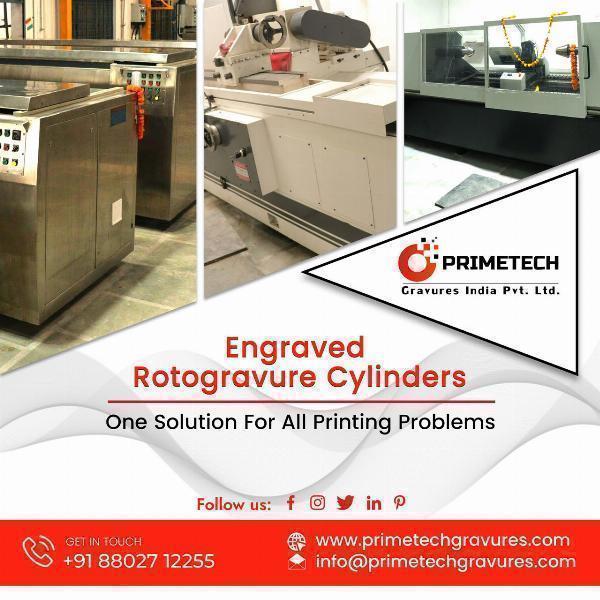
Engraved roto gravure cylinders are central components in high-volume rotogravure printing, enabling fine tonal range, fast web speeds, and consistent results for packaging, labels, and decor printing. This article explains how these cylinders are produced, how they influence print quality, and what manufacturers and converters consider when using gravure technology at scale.
- Engraved roto gravure cylinders transfer ink via engraved cells whose size and depth control tone and ink volume.
- Common engraving methods include electromechanical etching, diamond cutting, and laser engraving.
- Key benefits include high-speed performance, consistent color ranges, and long print runs suited for packaging and flexible films.
- Maintenance, cylinder handling, and surface treatment are critical for repeatable quality and sustainability.
How engraved roto gravure cylinders work
Rotogravure printing relies on a rotating cylinder that carries engraved cells filled with ink. During each press revolution, the cylinder picks up ink from an ink fountain, a doctor blade removes excess ink from the cylinder surface, and the cells transfer ink to a substrate as it presses against an impression roller. The engraved cell geometry—shape, depth, and density—determines dot size, tonal range, and ink volume per unit area. Skilled cylinder engraving enables very smooth gradients, detailed images, and stable solids across long production runs.
Common engraving technologies and cylinder preparation
Electromechanical engraving
Electromechanical or electromech engraving uses a stylus controlled by digital data to cut cells into a copper-plated cylinder. This method produces consistent cell patterns suitable for many packaging applications and remains widely used due to established workflows and predictable results.
Laser engraving
Laser engraving employs high-energy lasers to ablate cell cavities directly into a metal or plated cylinder surface. This approach can create micro-level detail and variable dot structures without physical contact, reducing mechanical wear on tools. Laser systems are often paired with digital workflow systems for rapid changeovers.
Diamond turning and finishing
Diamond turning and precision finishing are sometimes used for specialty cylinders where extremely fine surface quality is required. After engraving, cylinders are polished and sometimes chrome-plated or otherwise treated to improve wear resistance and ink release properties.
Benefits and typical applications
High-speed and long-run printing
Gravure presses using engraved roto gravure cylinders excel at continuous, high-speed web printing. This makes gravure a preferred choice for long print runs of packaging film, magazine gravure sections, wallpaper, and specialty decor where repeatability and uptime matter.
Image quality and color stability
Cell-based ink transfer enables fine tonal gradations and a wide color gamut. Because engraved cells consistently meter ink, color stability across long runs and multiple press shifts is achievable when combined with robust color management and process control systems.
Substrate versatility
Gravure handles a range of flexible substrates—polyethylene, polypropylene, metallized films, paper, and laminates—making it common in food, pharmaceutical, and consumer packaged goods (CPG) industries where print and barrier properties must coexist.
Quality control, maintenance, and lifecycle
Inspection and measurement
Quality assurance for engraved cylinders includes cell-size measurement, surface roughness assessment, and spectral color checks on printed samples. Inline and offline spectrophotometers, densitometers, and microscopy help detect wear, plate defects, or engraving inconsistencies before full production runs.
Maintenance and handling
Cylinder handling protocols are important to avoid nicks, corrosion, or plating damage. Routine cleaning of cylinders and doctor blades, correct storage, and scheduled recoating or replating extend working life. Proper maintenance reduces downtime and waste.
End-of-life and refurbishment
Cylinders may be refurbished through re-plating and re-engraving. Recycling of base metals and reclamation of materials from end-of-life cylinders can contribute to circular manufacturing practices in the printing supply chain.
Sustainability and industry standards
Efficiency in ink transfer and long run lengths can reduce unit energy and material use compared with some alternative processes for the same volumes. However, solvent-based inks and coatings used in some gravure operations require emissions controls and regulatory compliance. Standards bodies and industry associations provide guidance on safe materials management and process safety. Relevant organizations include the International Organization for Standardization (ISO) for print and material standards and national packaging regulators for food-contact materials. For general standards information, see the ISO website ISO.
Choosing between gravure and other printing methods
Comparison with flexography and digital printing
Compared with flexography, gravure typically offers smoother tonal rendition and higher consistency at very large volumes but requires higher initial cylinder costs and longer lead times for engraving. Digital printing enables fast changeovers and short runs without cylinder costs, but per-unit costs and speed constraints make digital less economical for very long runs. Decision factors include run length, image complexity, substrate type, and speed requirements.
Cost considerations
Upfront costs for engraving and cylinder ownership are offset by lower per-unit costs on long runs and low waste once process control is optimized. Total cost of ownership analysis should include engraving turnarounds, cylinder life, press uptime, and finishing steps like laminating or barrier coating.
Workflows and automation
Modern gravure production integrates digital prepress workflows, remote cylinder specification, and automated press controls for faster changeovers and reliable color management across production lines.
FAQ
What are engraved roto gravure cylinders and how are they used?
Engraved roto gravure cylinders are metal cylinders with microscopic cells engraved on their surface to carry ink. During rotogravure printing, these cells pick up, meter, and transfer ink to a substrate as the cylinder rotates against an impression roller, enabling continuous high-speed printing for packaging and decor products.
How are gravure cylinders engraved?
Common methods include electromechanical stylus engraving, laser ablation, and precision diamond cutting. Each method produces different cell shapes and surface qualities suited to specific image requirements and run lengths.
How should cylinders be maintained to ensure print quality?
Maintenance includes regular cleaning, doctor blade inspection, controlled storage, periodic measurement of cell integrity, and refurbishing or replating when wear is detected. Preventive maintenance minimizes defects and extends cylinder life.
Are engraved gravure cylinders sustainable?
Sustainability depends on ink chemistry, solvent recovery, energy efficiency, and circular practices like cylinder reclamation. Long run lengths and efficient ink transfer can lower per-unit environmental impact when combined with responsible materials management and emissions controls.
How do engraving choices affect print outcomes?
Cell geometry, engraving resolution, and surface treatment determine ink volume, tonal range, and dot stability. Selecting the appropriate engraving technology for the substrate and image requirements is crucial for meeting quality and cost targets.
Where to find standards and further guidance?
Relevant standards and guidance are published by organizations such as ISO and national packaging and safety regulators. Industry trade associations and technical journals in packaging science also provide best-practice recommendations and case studies.