From Waste Responsibility to Compliance: EPR Authorization Explained
-
- September 19th, 2026
- 53 views
Introduction
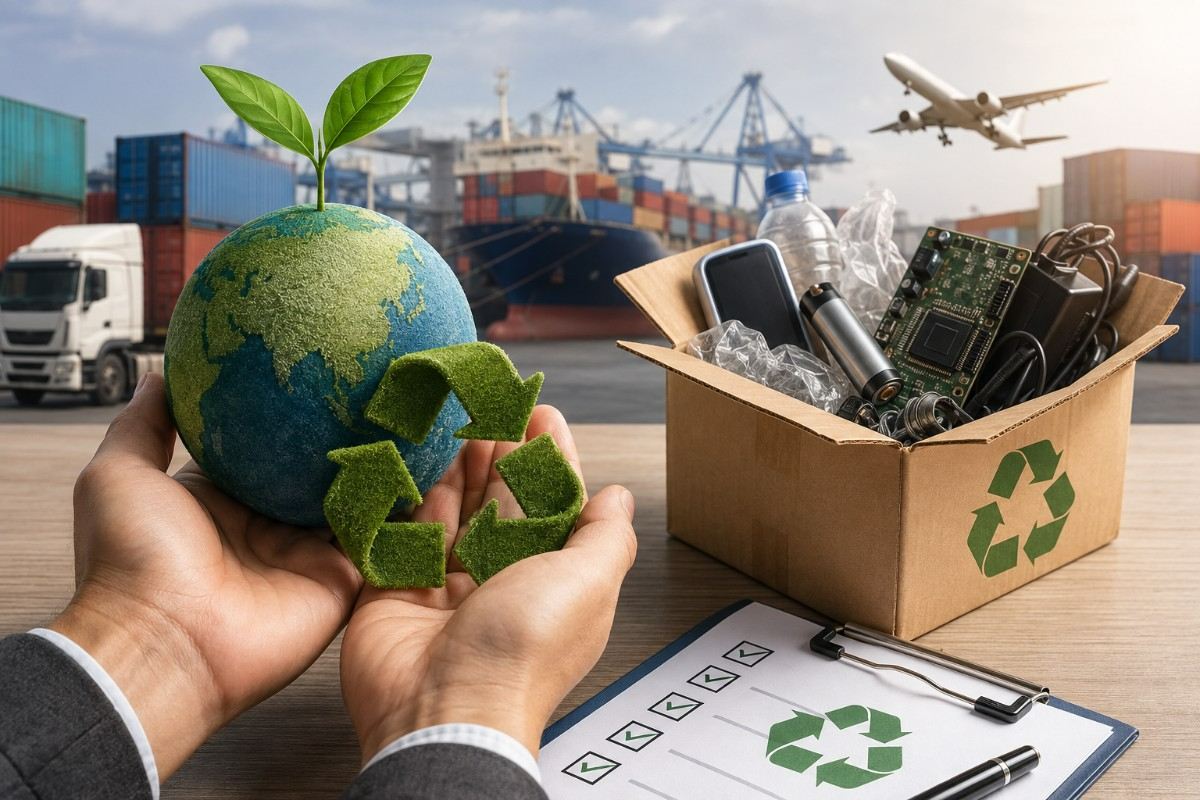
Plastic packaging has become an essential part of modern business, but its use also creates responsibilities once that packaging reaches the end of its useful life. For businesses that produce, import, sell or market products in plastic packaging, environmental compliance is now more than just managing waste on their own site. The Extended Producer Responsibility framework connects businesses with the larger system of collection, recycling, processing and responsible disposal.
In India, the plastic EPR framework operates under the Plastic Waste Management Rules, 2016 and the EPR Guidelines for Plastic Packaging notified in 2022. The Central Pollution Control Board (CPCB) provides the regulatory framework and digital registration mechanism for relevant stakeholders.
For a business, understanding this framework is important because registration is only one part of the compliance journey. The actual responsibility can extend to maintaining records, meeting applicable obligations, working with registered waste processors and submitting required information through the designated portal.
Why EPR Authorization Matters to Plastic Businesses
Extended Producer Responsibility places responsibility on specified businesses for the environmentally sound management of plastic packaging associated with their products. The aim is to link the placing on the market of packaging to its subsequent recovery, recycling, reuse or suitable disposal at the end of its life.
This approach provides better traceability for environmental compliance. Instead of treating plastic waste as a separate issue after a product is sold, businesses are expected to consider what happens to the packaging after use. The CPCB framework provides mechanisms for registration, EPR certificate generation and transfer, monitoring of transactions and annual reporting.
For businesses dealing with plastic packaging, an EPR plastic certificate can therefore be relevant as evidence of registration or as part of the broader compliance ecosystem. However, businesses should distinguish between the registration certificate issued through the regulatory system and certificates or credits used to demonstrate fulfilment of applicable EPR obligations.
Who May Need to Come Under the EPR Framework?
The first step is identifying the business category rather than assuming that every company using plastic automatically has the same obligation.
The plastic packaging framework primarily covers Producers, Importers and Brand Owners, commonly referred to as PIBOs. Plastic Waste Processors also have separate registration requirements when they undertake activities such as recycling, waste-to-energy, waste-to-oil or industrial composting.
The exact registration route can depend on the operational footprint of the business. As per published framework of CPCB, the PIBOs operating in more than two States or Union Territories will register through CPCB and those operating in one or two States/UTs will be dealt through concerned State Pollution Control Board or Pollution Control Committee.
This makes an initial applicability review useful, particularly for businesses with multiple locations, imports, third-party manufacturing arrangements or different brands.
Different Forms of EPR Compliance
EPR is not limited to one universal registration category. The regulatory requirements can differ according to the waste stream and the role played by the business.
For plastic packaging, the focus is generally on PIBOs and Plastic Waste Processors. Other EPR regimes cover areas such as e-waste, batteries and other regulated waste categories under their respective rules and portals.
This distinction matters because a business dealing with electronic products, batteries and plastic packaging may have more than one environmental compliance requirement. An EPR registration for one waste stream should not automatically be treated as covering another category.
What Information Is Generally Needed?
Before starting an application, businesses should organize their basic corporate and operational information. The CPCB’s plastic EPR registration guideline includes details such as legal name, trade name, business type, company category, registered address, PAN and CIN (if applicable). Authorized-person information is also part of the registration process.
Depending on the applicant category and applicable requirements, businesses may also need information concerning products, packaging materials, quantities, manufacturing or import activities and other supporting records.
By getting these details ready ahead of time, you can cut down on the inconsistencies that occur during the filling process. GST records, PAN information, company records and portal entries, if different, can lead to avoidable clarifications.
How does the Registration Journey work?
The first step in the registration process is to identify the correct applicant category and the appropriate regulatory authority. After preparing the required information and supporting documents, the business submits the application via the applicable digital system.
CPCB earlier had a centralized portal for plastic packaging, which provided registration for PIBOs and Plastic Waste Processors. But 2026 was a turning point for the regulatory technology landscape. CPCB states that the earlier Plastic EPR Portal was discontinued from 28 June 2026 and that registered-user data was migrated to the Common EPR Portal. Existing users have been asked to verify their migrated information.
The current Common EPR Portal provides the digital access point for registered stakeholders.
After submission, the application may be reviewed by the relevant authority. If information or documentation requires clarification, the applicant may need to respond before the registration process can be completed.
What Happens After Registration?
Receiving registration should not be treated as the end of compliance. It is the point at which the business can begin managing its continuing obligations within the applicable EPR framework.
Depending on the category and obligations involved, businesses may need to maintain records of packaging placed on the market, monitor their applicable targets, work with eligible waste processors and maintain supporting evidence for compliance activities.
CPCB's portal framework also provides for EPR certificate generation and transfer, transaction monitoring and annual return filing.
This is why an EPR plastic certificate should be viewed as one part of a wider compliance system rather than a standalone document that permanently completes the business's environmental responsibilities.
EPR Certificates and Waste Processors
An important part of the system is the relationship between businesses with EPR obligations and registered Plastic Waste Processors.
Eligible processors may conduct activities such as recycling, waste-to-energy, waste-to-oil, and industrial composting, depending on applicable regulatory requirements. The CPCB’s framework also provides for registration of such processors and mechanisms for EPR certificate generation and transfer.
Businesses that comply with their obligations should keep sufficient records of transactions and certificates. Documentation should correspond to the quantities and activities reported through the regulatory system.
Common Pitfalls to Avoid in Business
Many compliance issues are not the result of complicated regulations, but simply a lack of information. Businesses may begin an application without first identifying the correct category, use inconsistent company information, provide incomplete supporting records or misunderstand the difference between registration and fulfilment.
Another common mistake is to treat registration as a one-off activity. Environmental compliance can also include continuous reporting, record-keeping and target achievement.
“Businesses should watch for changes in the portal and relevant rules as well.” The move in 2026 from the dedicated Plastic EPR Portal to the Common EPR Portal shows how confusing it can be to depend on old login instructions or process guides.
How Professional Help Can Help You
For companies new to compliance with environmental regulations, professional help can make the administrative side of the process much easier. A compliance consultant can help you identify the correct EPR category, structure your documentation, review your business data, help with filling out your application, and explain your obligations post-registration.
Agile Regulatory assists companies in regulatory documentation and registration processes, helping applicants to approach EPR requirements with clearer documentation and a more organized compliance plan. The objective is not simply to obtain an EPR plastic certificate but to help businesses understand the responsibilities connected with it.
Conclusion
EPR has changed the way businesses approach plastic packaging waste by linking market activities with responsibility for waste management. Registration, however, is only the starting point. Businesses should be aware of their category, maintain accurate records, comply with their applicable obligations and keep their compliance information aligned with the regulatory portal.
As the Common EPR Portal is now replacing the earlier standalone Plastic EPR Portal, businesses should also ensure that their registration information and login details are kept up to date.
For businesses that need support with documentation, applicability assessment and registration formalities on their compliance journey, Agile Regulatory can offer practical, hands-on help.
FAQ
1. What is EPR authorization?
EPR authorization usually means regulatory registration that allows an eligible business or stakeholder to participate in the applicable Extended Producer Responsibility (EPR) framework. The specific requirements depend on the type of waste and the applicant’s role.
2. Who must register for EPR for plastic packaging?
Producers, Importers and Brand Owners subject to the plastic packaging EPR framework may need to register. Plastic Waste Processors that conduct specified processing activities are also subject to registration requirements.
3. Is an EPR plastic certificate the same as an EPR certificate used for fulfilment?
Not necessarily. Registration documentation is used to confirm that an eligible entity is registered under the applicable framework. EPR certificates or credits may be associated with fulfillment of applicable obligations. Businesses should identify which document or certificate applies to their particular compliance requirement.
4. Where is plastic EPR registration handled in 2026?
CPCB states that the earlier Plastic EPR Portal was discontinued from 28 June 2026 and user data was migrated to the Common EPR Portal. New and existing stakeholders should follow the current CPCB portal and applicable instructions rather than relying on outdated portal procedures.
5. What documents are needed for EPR registration?
Requirements depend on the applicant category. CPCB's registration guidance includes company information such as legal and trade names, business type, registered address, PAN, applicable CIN details and authorized-person information. Additional records may be required depending on the nature of the activity.