EPR Compliance in India: Registration, Annual Returns & Requirements for Importers
-

- Published Updated
- 3,273 views
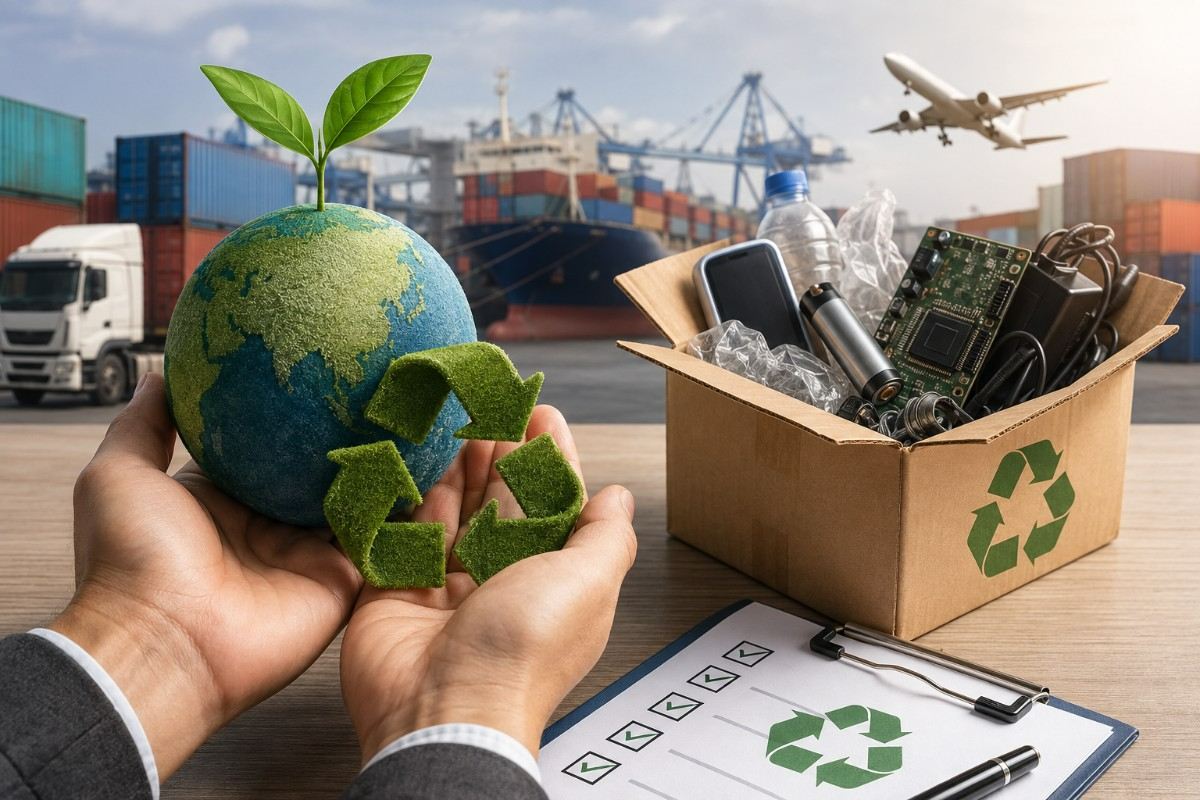
Navigating the regulatory landscape of international trade requires strict adherence to environmental compliance. In India, Extended Producer Responsibility (EPR) has transitioned from a voluntary environmental initiative to a mandatory regulatory framework enforced by the Central Pollution Control Board (CPCB).
For importers bringing electronic goods, plastic packaging, batteries, or tyres into the country, holding a valid EPR Registration is no longer optional—it is a critical prerequisite for customs clearance and legal operation within the Indian market. This comprehensive guide breaks down everything importers need to know about EPR compliance in India, including the registration process, mandatory documentation, annual return filing, and the severe consequences of non-compliance.
What is Extended Producer Responsibility (EPR)?
Extended Producer Responsibility (EPR) is an environmental policy approach rooted in the "Polluter Pays" principle. It shifts the physical and economic responsibility of waste management away from municipalities and places it directly on the businesses that introduce those products into the market. Under the EPR framework, a producer, manufacturer, brand owner, or importer is held legally responsible for the entire lifecycle of their product, especially its take-back, recycling, and final disposal at the end of its useful life. The Indian government uses this framework to ensure that toxic materials do not end up in landfills and that the country moves toward a sustainable, circular economy.

Why Importers Must Secure an EPR Certificate
Many businesses mistakenly believe that EPR only applies to domestic manufacturing facilities. However, under Indian environmental laws, the moment an entity imports a regulated product into the country—whether for retail sale, wholesale distribution, or even internal corporate use—they become the "Producer" of that waste within the Indian jurisdiction.
For importers, the EPR certificate acts as a government-issued license validating that the business has a verifiable plan to manage the waste generated by its imported goods. Crucially, the EPR certificate is heavily integrated with the customs clearance process. Port authorities and customs officials mandate the presentation of a valid EPR registration before clearing shipments of regulated goods. Without this certificate, importers face immediate operational paralysis: shipments will be detained at the port, incurring heavy demurrage charges, and may ultimately be seized or returned.
Key Categories Covered Under CPCB EPR Rules
The Central Pollution Control Board enforces EPR compliance across four distinct waste categories. Importers must identify which category their products fall into, as the targets and reporting formats differ for each.
1. E-Waste (Management) Rules, 2022
- If you import Electrical and Electronic Equipment (EEE), you must register on the CPCB E-Waste portal. This covers a vast array of products, including:
- Information technology and telecommunication equipment (smartphones, laptops, servers).
- Consumer electricals and electronics (televisions, refrigerators, washing machines).
- Large and small household appliances.
- Electrical and electronic tools.
2. Plastic Waste Management Rules
EPR for plastic targets Producers, Importers, and Brand Owners (PIBOs). If your imported goods are wrapped in plastic packaging, or if you import empty plastic packaging materials, you must comply. The rules categorize plastic packaging into four distinct types:
- Category I: Rigid plastic packaging.
- Category II: Flexible plastic packaging of single layer or multilayer (more than one layer with different types of plastic), plastic sheets, and covers made of plastic sheet.
- Category III: Multilayered plastic packaging (at least one layer of plastic and at least one layer of material other than plastic).
- Category IV: Plastic sheet or like used for packaging as well as carry bags made of compostable plastics.
3. Battery Waste Management Rules
Importers bringing in any type of battery—whether standalone or embedded within an electronic device or electric vehicle—must secure EPR registration. This applies to Lead-acid, Lithium-ion, Nickel-cadmium, and Zinc-based batteries.
4. Waste Tyre Management Rules
Importers of new tyres, waste tyres, or vehicles fitted with new tyres must register and meet specific recycling obligations based on the weight of the tyres introduced into the market.
Step-by-Step EPR Registration Process on the CPCB Portal
The application process is entirely digital, managed through the official CPCB EPR portals and you can get help by iKargos team for instant support. While the interfaces vary slightly depending on the waste category, the fundamental workflow remains consistent.
Step 1: Create an Account on the CPCB Portal
Navigate to the specific CPCB portal relevant to your waste category (e.g., the E-Waste EPR portal or the Plastic Waste EPR portal). Click on "Sign Up" and create user credentials. You will need to verify your email address and mobile number via OTP. It is highly recommended to use an official corporate email address to ensure communications are not lost if an employee leaves the company.
Step 2: Select the Correct Business Entity Category
Once logged in, you must classify your business correctly. Choose "Importer" (or PIBO if dealing with plastic). Selecting the wrong category will subject you to incorrect compliance targets and reporting formats, which can lead to application rejection.
Step 3: Enter Business and Product Details
Fill out the comprehensive application form. You will need to provide:
- Corporate entity details (Name, Registered Address, Contact Information).
- Authorized signatory details.
- Specific product categories being imported, aligning with CPCB nomenclature (e.g., ITEW1 for IT equipment).
- The estimated quantity or weight of the products you plan to import during the financial year.
Step 4: Upload Required Documentation
Upload high-quality, legible scans of all mandatory legal and business documents. Ensure files adhere to the portal's size limits (typically under 5MB per file). Blurry or incomplete documents are the leading cause of application delays.
Step 5: Pay the EPR Registration Fee
The registration fee is tiered based on the company's annual turnover. The payment must be made online through the portal's integrated payment gateway.
Step 6: Application Review and Query Resolution
Once submitted, the application enters the "Under Review" status. CPCB officials will scrutinize the data, verify the IEC and GST details, and assess the waste management plan. If discrepancies are found, the CPCB will raise queries through the portal. Importers must respond to these queries promptly to avoid rejection.
Step 7: Grant of the EPR Certificate
Upon successful verification, the CPCB will issue the EPR Certificate for Import. The certificate is generally valid for a period of up to five years. Importers should immediately download multiple copies, as this document will need to be presented to customs brokers, freight forwarders, and port authorities for all future shipments.
Mandatory Documents Required for Importers
Gathering the correct documentation beforehand significantly expedites the registration process. Importers must prepare the following:
- Import Export Code (IEC): Issued by the DGFT; this is the most critical document proving your status as an importer.
- GST Registration Certificate: Proof of commercial registration and tax compliance.
- PAN Card: The Permanent Account Number of the corporate entity.
- Certificate of Incorporation (CIN): For private limited or limited companies.
- Board Resolution: A formal corporate document authorizing a specific individual to sign and submit the EPR application on behalf of the company.
- Authorized Signatory ID Proof: Aadhaar card or Passport of the individual named in the Board Resolution.
- Product Details: Technical spec sheets, brochures, or product manuals that clearly show what is being imported.
- Waste Management Plan: A structured declaration outlining how the company intends to collect, transport, and recycle the waste. This often includes agreements with authorized Producer Responsibility Organizations (PROs) or registered recyclers.
Understanding EPR Targets and Credits
EPR compliance is not a static registration; it is dynamic and heavily data-driven. Once registered, an importer is assigned an EPR Target. This target is generally calculated as a percentage of the total volume (in weight) of the products introduced into the market in preceding financial years. For example, if an importer brings in 10,000 kg of electronic equipment in Year 1, their recycling target for Year 2 might be mandated at a specific percentage (e.g., 60% or 6,000 kg) of that volume.
To meet these targets, importers do not need to build their own recycling plants. Instead, they purchase EPR Credits or EPR Certificates from CPCB-authorized recyclers. When a registered recycler processes waste, they generate credits equivalent to the volume processed. Importers buy these credits to offset their obligations. If an importer over-complies (purchases more credits than required), surplus credits can often be carried forward to offset future obligations, usually valid for up to two years depending on the category.
How to File Your EPR Annual Returns Online
Filing annual returns is where many importers falter. The return is a comprehensive, audited declaration submitted to the CPCB proving that the importer met their recycling targets for the financial year.
The Filing Deadlines
Deadlines are strict and non-negotiable.
- Plastic Waste: Annual returns must generally be filed by June 30th for the preceding financial year.
- E-Waste, Battery, and Tyre Waste: Often require quarterly data submissions, with the final consolidated annual return also due by June 30th.
The Step-by-Step Filing Workflow
- Consolidate Import Before logging into the portal, compile all import data (Bills of Entry, commercial invoices) for the financial year. You must know exactly how much product (in metric tonnes or kilograms) was brought into the Indian market.
- Procure Recycler Certificates: Ensure you have acquired the necessary EPR credits/certificates from your authorized recyclers that equal or exceed your mandated target.
- Login to the Portal: Access the specific CPCB portal where your registration is held.
- Enter Introduction Input the exact quantity of products placed into the market. This data must flawlessly match your customs and GST filings, as the CPCB cross-references these databases.
- Declare Fulfillment: Upload the EPR certificates purchased from the recyclers to prove that the equivalent amount of waste was properly processed.
- Review and Validate: Double-check all entered weights and classifications. Misclassifying waste types (e.g., confusing Category I and Category III plastic) will distort the filing logic and trigger audits.
- Submit the Return: Finalize the submission. Keep a downloaded copy of the submitted return receipt for your internal compliance records.
Penalties and Consequences of Non-Compliance
The CPCB has grown increasingly aggressive in enforcing EPR rules. Treat EPR compliance with the same rigor as tax compliance. The consequences for failing to register, missing return deadlines, or submitting fraudulent data include:
- Customs Seizures: The most immediate impact. Shipments will be detained at the port. Customs will not issue a clearance without a valid EPR certificate matching the IEC.
- Environmental Compensation (Fines): The CPCB levies heavy monetary penalties based on the volume of unfulfilled targets. These fines are designed to be punitive and will cost significantly more than the price of purchasing legitimate EPR credits.
- Registration Cancellation: For repeat offenses or forged recycler certificates, the CPCB can suspend or entirely cancel the importer's EPR authorization, effectively banning them from importing regulated goods into India.
- Legal Prosecution: In severe cases of environmental negligence or systemic fraud, company directors can face legal action under the Environment (Protection) Act, 1986.
Ensuring EPR compliance is not merely a regulatory checkbox; it is vital for uninterrupted supply chain operations. By maintaining meticulous records, aligning with authorized recyclers, and filing annual returns accurately and on time, importers can avoid costly port delays and build a sustainable, compliant business framework in India.